OPEC can survive the UAE leaving and continue to influence market direction: Rystad Energy
Estimated reading time: 7 minutes
Key Takeaways
- OPEC’s production discipline remains strong despite the UAE’s exit.
- Steady oil prices preserve sovereign‑wealth and private capital flows into UAE real‑estate.
- Diversification of the UAE economy supports continued demand for residential, commercial and logistics assets.
- Investors should balance core prime‑location assets with emerging sub‑markets and ESG‑focused developments.
Table of Contents
- Introduction
- 1. The Energy Landscape After the UAE’s OPEC Exit
- 2. Capital Flows: From Oil Wealth to Real‑Estate Investment
- 3. Buyer Sentiment: Why Energy Stability Matters to Property Purchasers
- 4. Supply–Demand Dynamics in UAE Real‑Estate Post‑UAE OPEC Exit
- 5. Investor Implications: Portfolio Construction in an Energy‑Steady Environment
- 6. Opportunities Visible Now
- 7. Why Choosing David Moya Real Estate LLC Matters
- 8. Frequently Asked Questions
- 9. Forward‑Looking Conclusion
- Call to Action
Introduction
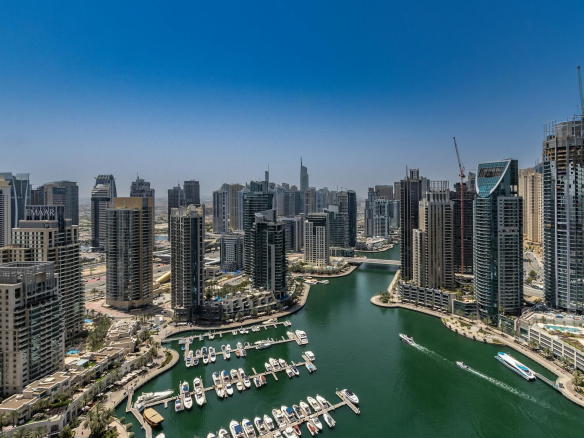
The announcement that the United Arab Emirates will exit the Organization of the Petroleum Exporting Countries (OPEC) has sent ripples through global energy circles. Rystad Energy’s reassuring headline – “OPEC can survive the UAE leaving and continue to influence market direction” – offers a steadier outlook for investors who watch commodity trends as a macro‑economic barometer. For property investors, entrepreneurs, family offices and international buyers with exposure to the UAE real‑estate market, the implications extend far beyond crude‑oil charts. Energy pricing, capital flows and buyer sentiment are tightly linked to the performance of Dubai’s skyline, Abu Dhabi’s luxury precincts and the broader diversification agenda that underpins the nation’s strategic development.
1. The Energy Landscape After the UAE’s OPEC Exit
Rystad Energy’s analysis rests on two core premises:
- Structural Cohesion: OPEC’s production discipline, spare‑capacity mechanisms and coordinated market messaging remain intact. The organization still commands roughly 30 % of global oil output, and remaining members have signaled a willingness to offset short‑term supply gaps.
- Price‑Setting Power: Even with one less producer, OPEC’s ability to influence Brent and the OPEC‑basket persists. Historical data shows that a smoothly operating internal quota system narrows price volatility, creating a more predictable environment for downstream economies.
For the UAE, the move aligns with a broader shift toward a post‑oil economy, while still leveraging its hydrocarbon wealth to fund real‑estate, tourism and financial‑services expansion. Investors must assess whether this transition will dilute or amplify the forces driving the property market.
2. Capital Flows: From Oil Wealth to Real‑Estate Investment
- Sustained Government Budgets: Steady oil prices preserve fiscal space for Abu Dhabi’s sovereign wealth fund (ADIA) and Dubai’s Investment Corporation, allowing continued real‑estate allocation.
- Private Capital Resilience: Family offices and high‑net‑worth individuals re‑allocate earnings into tangible assets when commodity markets are stable, mitigating sudden withdrawals.
- Foreign Direct Investment Confidence: OPEC’s “survival” message reassures foreign capital that the Gulf remains a low‑risk, high‑return environment.
These dynamics suggest the UAE’s property market will remain buoyed by oil‑linked capital, even as diversification accelerates.
3. Buyer Sentiment: Why Energy Stability Matters to Property Purchasers
- Confidence in Economic Outlook: Predictable oil prices sustain positive GDP, employment and consumer‑spending forecasts, encouraging expatriates and multinational expansions.
- Rental Yield Expectations: Stable energy revenues support government subsidies for infrastructure, keeping living costs competitive and preserving strong rental demand.
- Risk Appetite: Diversified investors view a reliable energy sector as an anchor, increasing willingness to raise property exposure.
4. Supply–Demand Dynamics in UAE Real‑Estate Post‑UAE OPEC Exit
Supply side:
- Dubai: Iconic towers, mixed‑use districts (Dubai Creek Harbour, Dubai Harbour) and mid‑range housing.
- Abu Dhabi: Master‑plans such as Al Maryah Island, Yas Island and a “100 % Sustainable Development” roadmap.
Demand side:
- Population projected to exceed 12 million by 2030.
- Tourism target of 30 million visitors annually, driving short‑term rentals.
- Economic diversification into fintech, renewables and aerospace, creating office and specialist residential demand.
Contained oil‑price volatility, as Rystad predicts, keeps the supply‑demand balance favorable for investors.
5. Investor Implications: Portfolio Construction in an Energy‑Steady Environment
- Core Assets: Prime‑location office towers in DIFC and high‑end residences on Palm Jumeirah offer inflation‑linked cash flows resilient to short‑term commodity swings.
- Sub‑Market Diversification: Blend Dubai’s high‑velocity zones (Dubai South, Expo 2025 legacy) with Abu Dhabi’s slower‑but‑steady luxury market.
- Green & Sustainable Developments: Assets meeting LEED or Estidama standards attract ESG‑focused capital.
- Timing & Phasing: Secure anchor positions in established districts, then enter emerging master‑plans as they break ground.
- Risk Management: Monitor geopolitical tensions, global interest‑rate moves and regulatory adjustments (foreign‑ownership rules, visa reforms).
6. Opportunities Visible Now
- Logistics & Industrial Parks: Jebel Ali and Khalifa Port benefit from government infrastructure subsidies.
- Student & Workforce Housing: Demand driven by NYU Abu Dhabi, Khalifa University and an expanding expatriate pool.
- Healthcare Real‑Estate: Government medical city projects create long‑term tenancy opportunities.
- Retail Revitalisation: Post‑pandemic consumer confidence fuels high‑street concepts in luxury malls and mixed‑use precincts.
7. Why Choosing David Moya Real Estate LLC Matters
- Market Knowledge: Continuous monitoring of energy trends, fiscal policy and sovereign‑fund allocations.
- Investor‑Focused Guidance: Tailored strategies aligned with risk tolerance and investment horizon.
- Transaction Support: End‑to‑end due diligence, negotiation and financing assistance.
- Risk Evaluation: Integrated energy‑price forecasts, geopolitical analysis and regulatory updates.
- Location Strategy & Timing: Identification of “sweet spots” across DIFC, Al Reem Island, logistics hubs and emerging master‑plans.
- Long‑Term Portfolio Fit: Diversification across sectors, lease structures and geographic exposure while preserving risk‑adjusted returns.
8. Frequently Asked Questions
Q1. Will the UAE’s departure from OPEC cause oil prices to fall sharply, jeopardising the real‑estate market?
A: Rystad Energy expects OPEC to maintain production discipline, limiting abrupt price declines. Even modest adjustments are absorbed by the UAE’s diversified fiscal strategy and sovereign‑wealth buffers.
Q2. How soon can capital be redeployed from the energy sector into property?
A: Historically, a portion of oil‑related earnings is re‑invested annually. With OPEC’s continued price stability, the re‑allocation cycle typically accelerates within 12‑18 months, especially for family offices seeking tangible assets.
Q3. Are there specific districts in Dubai that are safer bets in this environment?
A: Core districts such as DIFC, Downtown Dubai and Dubai Marina have shown resilience and strong yield performance. Emerging zones linked to Expo 2025 (e.g., Dubai South) also offer upside with controlled supply.
Q4. How does the UAE’s diversification agenda affect risk for foreign investors?
A: Diversification reduces reliance on a single revenue stream, lowering systemic risk. Ongoing government support for real‑estate, tourism and financial services enhances stability for foreign capital.
Q5. What role does ESG play in the current UAE property landscape?
A: ESG considerations are increasingly decisive. Projects meeting Estidama or international green‑building standards attract premium tenants and ESG‑focused funds, delivering both risk mitigation and return enhancement.
9. Forward‑Looking Conclusion
The headline that “OPEC can survive the UAE leaving and continue to influence market direction” may seem like an energy‑sector footnote, yet its ripple effects cascade through the entire UAE investment ecosystem. Steady oil prices safeguard government budgets, preserve sovereign‑wealth allocations and sustain private‑capital confidence – all foundations of a robust real‑estate market.
For investors aiming to capture the UAE’s next growth wave, the message is clear: the macro‑economic foundation remains solid, and the nation’s strategic pivot toward diversification creates layered opportunities across commercial, residential, logistics and niche asset classes. Aligning acquisition decisions with the broader energy outlook and partnering with a knowledgeable adviser transforms macro trends into precise, location‑specific strategies.
Take the Next Step with Confidence
Reach out to David Moya Real Estate LLC today to discuss how the latest OPEC dynamics and UAE market trends can be woven into your property investment strategy.
Phone: +971 4 123 4567
Email: info@davidmoya-re.com
We look forward to guiding you toward sustainable, long‑term value in the UAE’s vibrant real‑estate landscape.
Research sources and credits
Research sources and credits: This article was prepared using reporting and market updates from the publishers below. Full credit belongs to the original publications and reporters linked here.
- OPEC can survive the UAE leaving and continue to influence market direction: Rystad Energy
Credit: Web | Published: Wed, 29 Apr 2026 05:45:42 GMT
Skip Navigation Markets Pre-Markets U.S. Markets Currencies Prediction Markets Cryptocurrency Futures & Commodities Bonds Funds & ETFs Business Economy Finance Health & Science Media Real Estate Energy Climate Transportation Investigations Industrials Retail Wealth Sports Life Small Business Investing Personal Finance Fintech Financial Advisors Options Action ETF Street Buffett Archive Earnings Trader Talk Tech Cybersecurity AI Enterprise Internet Media Mobile Social Media CNBC Disruptor 50 Tech Guide Politics White House Policy Defense Congress Expanding Opportunity Video Latest Video Full Episodes Livestream Live Audio Live TV Schedule CNBC Podcasts CEO Interviews CNBC Documentaries Digital Originals Watchlist […] Watchlist Investing Club Trust Portfolio Analysis Trade Alerts Meeting Videos Homestretch Jim’s Columns Education Subscribe PRO Pro News Josh Brown Mike Santoli Calls of the Day My Portfolio Livestream Full Episodes Stock Screener Market Forecast Options Investing Chart Investing Subscribe Livestream Make It select USA INTL Livestream Livestream Watchlist SIGN IN Create free account Markets Business Investing Tech Politics Video Watchlist Investing Club PRO Livestream watch now Share Squawk Box Asia # OPEC can survive the UAE leaving and continue to influence market direction: Rystad Energy […] watch now watch now VIDEO05:06 OpenAI leaders reexamine wisdom of ‘secure everything’ compute strategy: WSJ’s Berber Jin watch now watch now VIDEO01:29 Seagate shares continue to climb after hours after reporting gross margins of 47% watch now watch now VIDEO00:40 Seagate shares climb more than 10%, sees current quarter EPS and revenue above estimates watch now watch now VIDEO01:19 Watch Elon Musk and Sam Altman arrive in court for landmark OpenAI trial watch now watch now VIDEO03:13 Supply is still not catching up to demand in AI, says Solus’ Dan Greenhaus watch now watch now VIDEO05:06 OpenAI leaders reexamine wisdom of ‘secure everything’ compute strategy: WSJ’s Berber Jin
Next steps
If you want help evaluating projects, comparing returns, or building a UAE property strategy, contact David Moya Real Estate at +971 52 217 2034 or info@davidmoya.org.