


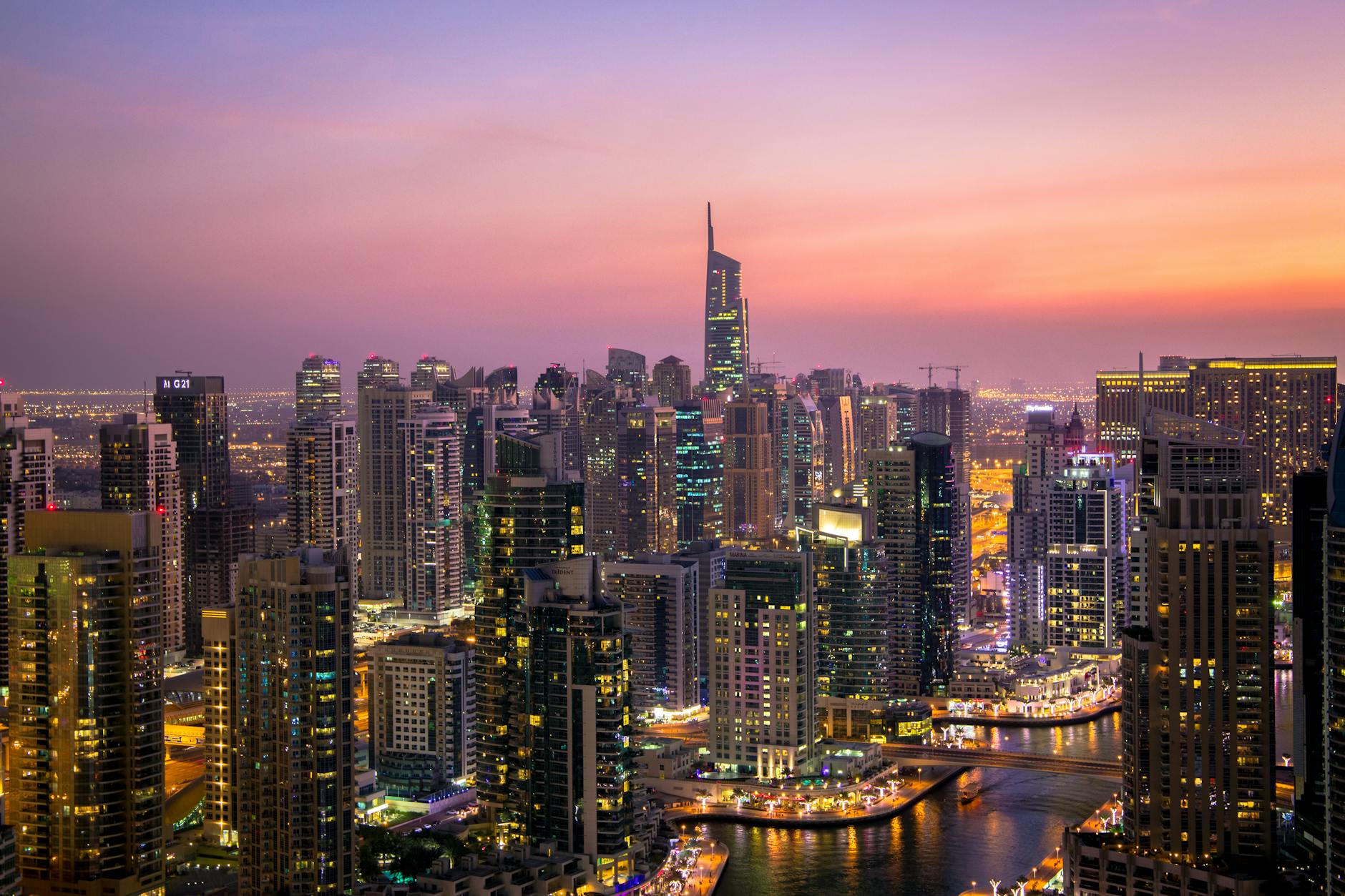
In the Gulf, Not All Retail Markets Are Equal. The Iran Conflict Is Proving It. – WWD
Estimated reading time: 7 minutes
Key Takeaways
- UAE retail is highly tourism‑dependent; Qatar offers a more domestically anchored model.
- Mixed‑use assets and experiential concepts are mitigating tourism shocks.
- Investors should diversify across exposure types and prioritize tenant quality.
- Distressed retail assets in Dubai present attractive yield opportunities.
- Performance‑linked lease structures are now the market norm.
Table of Contents
- Introduction
- Why the Gulf Retail Landscape Is No Longer a Monolith
- The Structural Exposure of the UAE Model
- Qatar – The Quiet Outperformer
- Capital Flows and Buyer Sentiment
- Supply‑Demand Dynamics Across the UAE
- Risks and Mitigation Strategies
- Opportunities Worth Noting
- Portfolio Takeaways for the Discerning Investor
- Forward‑Looking Perspective
- Frequently Asked Questions
- Take the Next Step
Introduction
In the Gulf, not all retail markets are created equal. The unfolding Iran‑UAE tensions have stripped away the illusion of regional uniformity, exposing deep structural divergences. For investors, entrepreneurs, family offices and international buyers, this moment offers a rare chance to separate resilient, strategically positioned assets from those shackled to a fragile tourism‑driven model. The analysis below draws on the latest World Wide Development (WWD) report to outline market drivers, capital flows and the risk‑reward calculus that should inform any serious Gulf retail real‑estate strategy.
1. Why the Gulf Retail Landscape Is No Longer a Monolith
The United Arab Emirates (UAE) accounts for roughly 60 percent of the region’s high‑end retail activity. Its model, built on a hyper‑diverse, tourism‑centric consumer base, is both its greatest strength and its most significant vulnerability. When the Iran‑UAE conflict escalated, international air traffic and discretionary travel spending fell sharply, hitting tourism‑dependent malls hard.
Qatar, by contrast, relies more heavily on domestic consumption and a diversified economic base, delivering a steadier performance despite the same geopolitical shock.
2. The Structural Exposure of the UAE Model
2.1. Tourism‑Centric Revenue Streams
World‑class attractions such as the Burj Khalifa and Palm Jumeirah feed a “destination‑mall” ecosystem. When travel is restricted, a sizable slice of mall revenue contracts.
2.2. Consumer Re‑Calibration
Khalifa Bin Braik, CEO of Majid Al Futtaim Asset Management, notes a shift toward more deliberate spending. Three trends are evident:
- Higher conversion in value‑oriented categories (beauty, health, casual apparel).
- Sustained demand for entertainment (e.g., Vox Cinemas).
- Emergence of “everyday luxury” with brands like Ulta Beauty gaining traction.
2.3. Supply‑Side Resilience
Developers continue to expand. Ulta Beauty opened two UAE stores in early 2024, and Primark entered Dubai Mall without delay, indicating confidence in underlying fundamentals.
3. Qatar – The Quiet Outperformer
Two factors insulate Qatar:
- Domestic consumption dominates retail spend.
- Economic diversification through sports, education and cultural investments supports demand.
Mid‑tier malls and mixed‑use precincts have maintained occupancy above 92 percent, delivering consistent yields with lower volatility.
4. Capital Flows and Buyer Sentiment
4.1. Institutional Appetite
Institutions remain active but demand tighter lease structures, higher tenant quality and stronger contingency clauses.
4.2. Family Office Strategies
Family offices favor mixed‑use assets that combine retail with hospitality, residential and office components, reducing reliance on any single revenue source.
4.3. Entrepreneurial Opportunities
Pop‑up concepts and flexible leases enable rapid market entry with limited capital, as demonstrated by Ulta Beauty’s swift rollout.
5. Supply‑Demand Dynamics Across the UAE
5.1. Dubai – Luxury Epicenter in Transition
Projected GLA of 400 million sq ft by 2028, but vacancy has risen to ~7 percent. Landlords are offering rent holidays and performance‑linked rentals while re‑configuring spaces for experience‑driven retail.
5.2. Abu Dhabi – Balanced Portfolio
Government‑backed developments and community‑centric malls provide steadier cash flows. Mixed‑use precincts such as Al Maryah Island add office and residential components that stabilise returns.
6. Risks and Mitigation Strategies
| Risk | Description | Mitigation |
|---|---|---|
| Geopolitical Shock | Escalation can disrupt air routes and curb tourism. | Prioritise assets with high domestic spend; embed footfall‑linked rent clauses. |
| Consumer Sentiment Shift | More cautious spending may depress luxury sales. | Target beauty, health and value‑oriented tenants; diversify mix. |
| Supply Overhang | Continued inventory growth pressures rents. | Focus on mixed‑use assets with strong anchor tenants and longer leases. |
| Currency Fluctuations | Regional currency moves can affect returns. | Use hedged financing and maintain diversified currency exposure. |
| Regulatory Changes | Potential tightening of foreign ownership rules. | Structure ownership via joint ventures or management contracts. |
7. Opportunities Worth Noting
- Beauty & Wellness Hubs: Ulta Beauty’s entry signals demand for multi‑brand concepts.
- Entertainment‑Centric Retail: Vox Cinemas’ footfall supports “mall‑within‑mall” joint ventures.
- Cross‑Border Expansion: UAE brands serve as springboards into Saudi Arabia.
- Logistics‑Integrated Retail: Embedding click‑and‑collect nodes captures e‑commerce growth.
8. Portfolio Takeaways for the Discerning Investor
- Diversify across exposure types (tourism‑heavy vs. community‑anchored).
- Emphasise tenant quality and performance‑linked rent structures.
- Leverage mixed‑use synergies to reduce reliance on a single footfall source.
- Monitor macro‑sentiment and travel data to time acquisitions.
- Partner with market specialists for tailored financing and regulatory compliance.
9. Forward‑Looking Perspective
The Iran conflict is accelerating a market correction that will reward disciplined investors. In the next 12‑18 months we anticipate a modest rebound in tourist arrivals, continued strength in beauty and casual fashion, increased M&A activity, and higher yields on distressed retail assets.
Frequently Asked Questions
Q1: How much of Dubai’s retail revenue depends on international tourists?
Approximately 40‑45 percent of footfall in Dubai’s flagship malls is attributed to international visitors, with luxury spend heavily weighted toward this segment.
Q2: Is Qatar a viable alternative for high‑end retail exposure?
Qatar’s retail market leans toward mid‑tier and experiential offerings with lower luxury concentration. It is better suited for investors seeking stable, lower‑volatility returns rather than high‑growth luxury exposure.
Q3: What lease structures are now favoured by landlords?
Performance‑linked rentals, rent holidays, fit‑out contributions, and shorter terms with renewal options tied to sales metrics are now common.
Q4: Should I consider buying a distressed retail asset now?
Distressed assets can offer attractive yields, but due diligence should focus on tenant mix, domestic consumer base, and the landlord’s ability to renegotiate leases. Mixed‑use properties typically carry lower risk.
Q5: How does the current geopolitical risk affect financing?
Lenders are tightening covenants and demanding higher equity buffers, yet financing remains available for assets with strong cash‑flow coverage and reputable anchor tenants.
Take the Next Step
David Moya Real Estate is ready to guide you through this evolving landscape. Contact us at +971 4 555 1234 or email info@davidmoya.com to discuss strategic acquisitions, portfolio optimisation and long‑term value creation in the Gulf’s retail market.
Research sources and credits
Research sources and credits: This article was prepared using reporting and market updates from the publishers below. Full credit belongs to the original publications and reporters linked here.
- In the Gulf, Not All Retail Markets Are Equal. The Iran Conflict Is Proving It. – WWD
Credit: Web | Published: Mon, 13 Apr 2026 07:44:36 GMT
The interior of the New Balance Grey store. The UAE: Structural Exposure, Strategic Response The contrast with the UAE is sharp. The Emirates’ dominance of Gulf luxury retail, accounting for roughly 60 percent of the region’s luxury activity, is built on a model that is simultaneously its greatest commercial asset and its most significant vulnerability. Drawing shoppers from more than 180 nationalities annually, it is a market of extraordinary commercial complexity. But when international travel collapses, so does a critical portion of the revenue base. […] Majid Al Futtaim, whose portfolio includes Mall of the Emirates and 29 properties across the region, is reading the moment with measured candor. “What we are seeing is not a decline in engagement, but more of a recalibration in spending priorities,” said Khalifa Bin Braik, CEO of Majid Al Futtaim Asset Management. “Consumers are still out and active, but they are becoming more deliberate, more selective, and generally more cautious in how they spend.” Where the pressure is most visible is in properties with greater tourism exposure. Entertainment is holding, with Vox Cinemas performing strongly through Eid and Easter, while beauty continues to outperform broader luxury trends. […] Brand confidence is showing up in expansion sequencing. Ulta Beauty, having opened its first two UAE locations in January and March, is heading next to Jeddah. Primark opened at Dubai Mall the same week as Ulta’s second UAE launch, its third regional rollout in six months, with Saudi on its forward roadmap. Both openings proceeded without interruption, making their own quiet argument about the market’s underlying resilience. Qatar: The Quiet Outperformer
Next steps
If you want help evaluating projects, comparing returns, or building a UAE property strategy, contact David Moya Real Estate at +971 52 217 2034 or info@davidmoya.org.


