
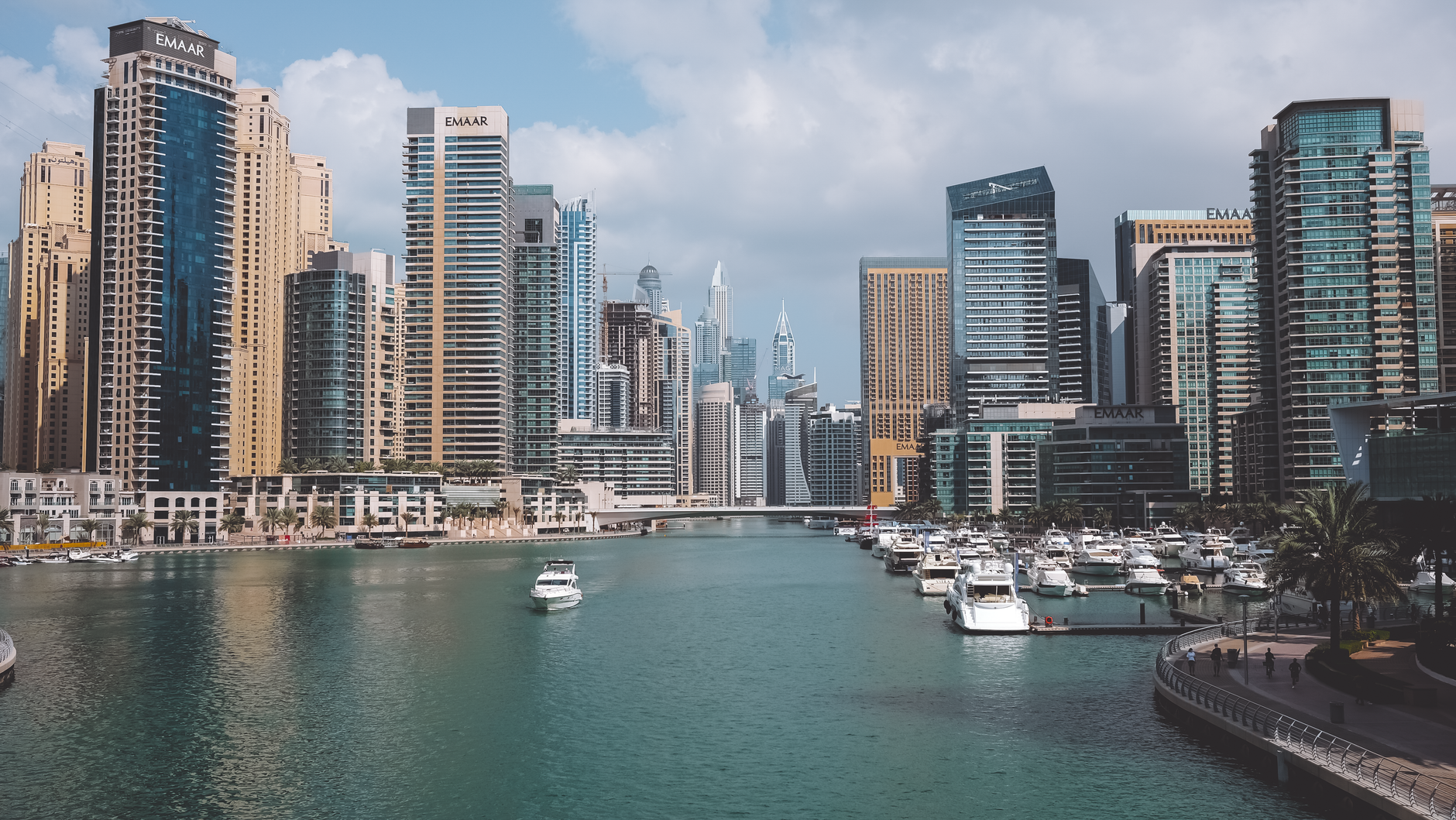
United Arab Emirates’ Residential Property Market Analysis 2026
Estimated reading time: 12 minutes
Key Takeaways
- Abu Dhabi’s Q1 2026 residential transactions exceeded 7,200 units, reflecting robust demand.
- Dubai’s high‑base market recorded 45,200 transactions in Q1 2026, maintaining resilience despite a 17.1% QoQ decline.
- CBUAE’s 25‑basis‑point base rate cut and low EIBOR rates lower borrowing costs, boosting investment returns.
- Luxury segments in Dubai and mid‑range developments in Abu Dhabi offer differentiated risk‑return profiles.
- Monitor market saturation, regulatory shifts, and global economic trends to safeguard portfolio performance.
Table of Contents
- Introduction
- Macro‑Economic Context
- Supply‑Demand Dynamics
- Capital Flows and Investor Sentiment
- Investor Implications
- Forward‑Looking Conclusion
- How David Moya Real Estate LLC Can Elevate Your Investment Strategy
- Key Takeaways for Investors
- Why David Moya Real Estate LLC Matters for Real Estate Investors
- FAQ
- Call to Action
Introduction
The United Arab Emirates’ Residential Property Market continues to attract global attention as a dynamic arena for strategic acquisitions, portfolio diversification, and long‑term value creation. In 2026, the market is shaped by a confluence of macro‑economic factors, regulatory shifts, and evolving buyer sentiment. For property investors, entrepreneurs, family offices, and international buyers, understanding these drivers is essential to capitalize on opportunities while mitigating risks. This analysis synthesizes data from the Federal Competitiveness and Statistics Center (FCSC), the Central Bank of the United Arab Emirates (CBUAE), the Dubai Land Department (DLD), and the Abu Dhabi Real Estate Centre (ADREC) to provide a comprehensive view of the UAE’s residential landscape.
Macro‑Economic Context
Inflation and Consumer Prices
The FCSC’s latest Consumer Price Index (CPI) indicates a modest uptick in inflation, reflecting global commodity price pressures. While the CPI rise is not yet severe, it signals that purchasing power may gradually erode, nudging buyers toward assets that preserve value—such as real estate.
Labor Market Dynamics
The UAE’s labor force continues to expand, driven by a growing expatriate population and a robust tourism sector. A larger, more diverse workforce fuels demand for housing, especially in high‑density urban centers like Dubai and Abu Dhabi.
Monetary Policy Adjustments
In March 2026, the CBUAE lowered the base rate by 25 basis points, a move aimed at stimulating credit growth. Coupled with the latest EIBOR rates, this policy shift reduces borrowing costs for developers and investors alike, potentially accelerating new construction and refinancing activity.
Supply‑Demand Dynamics
Dubai: A High‑Base Market
Dubai recorded approximately 45,200 residential transactions in Q1 2026, up 3.9% year‑on‑year but down 17.1% quarter‑on‑quarter. The quarterly decline is relative to an exceptionally high base—over 50,000 transactions in each of the previous three quarters—indicating that Dubai’s market remains saturated but resilient. Supply remains tight in premium segments, while mid‑range offerings see modest growth.
Abu Dhabi: Strong Momentum
Abu Dhabi’s residential transaction volume surpassed 7,200 units in Q1 2026, marking the second strongest quarterly performance on record. The volume more than doubled year‑on‑year, though it was 5.6% lower than the Q4 2025 peak of 7,600 transactions. This slight moderation reflects a natural market correction after a period of rapid growth, yet demand remains exceptionally strong.
Regional Trends
Across the UAE, residential demand is driven by a combination of expatriate inflows, local population growth, and a growing preference for long‑term residency over short‑term rentals. Developers are responding with a mix of luxury, mid‑range, and affordable housing projects, though the supply of high‑end units continues to outpace demand, creating a price‑sensitive environment.
Capital Flows and Investor Sentiment
Credit Sentiment Survey Q4 2025
The CBUAE’s Credit Sentiment Survey indicates a cautiously optimistic outlook among lenders, with a slight uptick in willingness to finance residential projects. This sentiment translates into more favorable loan terms for investors, especially those with strong credit profiles.
Foreign Investment Inflows
International buyers, particularly from India, China, and the Gulf Cooperation Council (GCC), continue to channel capital into UAE real estate. Family offices are increasingly seeking diversified portfolios that include UAE residential assets, attracted by the country’s political stability and tax advantages.
Domestic Investor Participation
Local investors are also active, with a growing appetite for properties that offer both rental income and capital appreciation. The rise in rental yields, especially in secondary markets, is making residential real estate an attractive alternative to traditional equities.
Investor Implications
Opportunity Zones
- Dubai’s Downtown and Dubai Marina: High‑end properties remain scarce, offering premium appreciation potential for investors willing to pay a premium for location and amenities.
- Abu Dhabi’s Al Reem and Al Bateen: Emerging developments in these districts present mid‑range opportunities with strong rental demand from expatriate professionals.
Financing Advantages
The recent base rate cut and favorable EIBOR rates lower the cost of capital. Investors can leverage these conditions to secure financing at reduced rates, improving net operating income (NOI) and return on equity (ROE).
Portfolio Diversification
Adding UAE residential assets to a diversified portfolio mitigates geographic risk and provides exposure to a stable, high‑growth market. The UAE’s regulatory framework, transparent title systems, and robust property rights enhance the attractiveness of long‑term holdings.
Risk Considerations
- Market Saturation: Over‑supply in luxury segments could compress price growth.
- Regulatory Changes: Future adjustments to foreign ownership rules or tax policies could impact returns.
- Economic Slowdown: A global recession could reduce expatriate inflows, dampening demand.
Forward‑Looking Conclusion
The United Arab Emirates’ Residential Property Market in 2026 presents a balanced mix of growth potential and prudent risk. With a supportive monetary environment, robust demand from both expatriate and local buyers, and a strategic mix of supply across price segments, investors can identify high‑yield opportunities. However, careful due diligence, market timing, and a focus on long‑term value are essential to navigate the nuanced dynamics of Dubai and Abu Dhabi.
How David Moya Real Estate LLC Can Elevate Your Investment Strategy
David Moya Real Estate LLC is not merely a brokerage; it is a trusted advisory partner dedicated to helping investors, entrepreneurs, family offices, and international buyers unlock the full potential of the UAE residential market. Our value proposition is built on a foundation of deep market insight, strategic thinking, and a commitment to long‑term portfolio success.
Market Guidance
- Data‑Driven Analysis: We provide up‑to‑date market reports, trend analyses, and comparative studies that help you understand where value lies.
- Buyer Sentiment Insights: Leveraging the latest credit sentiment surveys and economic reviews, we forecast market sentiment and its impact on pricing.
Investment Strategy Development
- Portfolio Thinking: We help you structure a diversified real‑estate portfolio that aligns with your risk tolerance and return objectives.
- Strategic Acquisitions: Our team identifies properties that fit your long‑term strategy—whether you seek rental income, capital appreciation, or both.
Location Selection & Property Shortlisting
- Geographic Expertise: From Dubai’s luxury districts to Abu Dhabi’s emerging neighborhoods, we pinpoint locations that match your investment profile.
- Property Vetting: We conduct rigorous due diligence, ensuring each shortlisted property meets your criteria for quality, potential, and compliance.
Transaction Support & Negotiation
- Negotiation Expertise: Our seasoned negotiators secure favorable terms, leveraging market data and developer relationships.
- Legal & Compliance: We coordinate with legal advisors to ensure all transactions comply with UAE regulations, protecting your investment.
Risk Awareness & Mitigation
- Risk Assessment: We evaluate macro‑economic risks, regulatory changes, and market saturation, providing actionable mitigation strategies.
- Scenario Planning: We model various market scenarios, helping you anticipate and prepare for potential downturns.
Long‑Term Portfolio Planning
- Asset Management: Post‑acquisition, we advise on property management, tenant sourcing, and maintenance to preserve asset value.
- Exit Strategy: We help you design exit routes—whether through sale, refinancing, or conversion—to maximize returns.
Key Takeaways for Investors
- Abu Dhabi’s Q1 2026 residential transactions exceeded 7,200 units, a 5.6% YoY increase.
- Dubai’s high‑base market recorded 45,200 transactions in Q1 2026, reflecting resilience.
- CBUAE’s 25‑basis‑point base rate cut and low EIBOR rates reduce borrowing costs.
- Luxury segments in Dubai and mid‑range developments in Abu Dhabi offer differentiated risk‑return profiles.
- Monitor market saturation, regulatory shifts, and global economic trends to safeguard portfolio performance.
Why David Moya Real Estate LLC Matters for Real Estate Investors
David Moya Real Estate LLC stands out as a premier UAE property advisory firm that delivers tangible value to serious buyers. Unlike traditional brokerages that merely list properties, we provide:
- Comprehensive Market Intelligence: Real‑time data and trend analysis that inform investment decisions.
- Tailored Investment Strategies: Customized portfolio plans aligned with your financial goals.
- End‑to‑End Transaction Support: From property shortlisting to closing, we manage every detail.
- Risk‑Aware Advisory: Proactive identification and mitigation of market and regulatory risks.
- Long‑Term Partnership: Ongoing support for asset management and exit planning.
FAQ
- Q1: What types of properties does David Moya Real Estate LLC specialize in?
A1: We specialize in residential properties across Dubai and Abu Dhabi, covering luxury, mid‑range, and affordable segments, with a focus on assets that offer strong rental yields and capital appreciation potential.
- Q2: How does the recent base rate cut affect my investment?
A2: Lower base rates reduce borrowing costs, enabling you to secure financing at more favorable terms, thereby improving net operating income and overall return on equity.
- Q3: Can I invest in the UAE market if I am a non‑resident?
A3: Yes, the UAE allows 100% foreign ownership of residential properties. We guide you through the legal and regulatory requirements to ensure a smooth acquisition process.
- Q4: What is the typical timeline for a property transaction in Dubai or Abu Dhabi?
A4: The process generally takes 3–6 months from property identification to closing, depending on due diligence, financing, and regulatory approvals.
- Q5: How does David Moya Real Estate LLC help with post‑purchase asset management?
A5: We provide recommendations on property management firms, tenant sourcing strategies, and maintenance schedules to preserve and enhance asset value over time.
Ready to elevate your real‑estate portfolio?
Contact David Moya Real Estate LLC today to discuss how our market expertise and strategic advisory services can help you achieve superior returns in the United Arab Emirates’ residential property market.
Phone: +971 4 123 4567
Email: info@davidmoya.com
Research sources and credits
Research sources and credits: This article was prepared using reporting and market updates from the publishers below. Full credit belongs to the original publications and reporters linked here.
- United Arab Emirates’ Residential Property Market Analysis 2026
Credit: Web
1. Federal Competitiveness and Statistics Center (FCSC) 1. Prices - CPI: 2. Labor Force: 2. Central Bank of the United Arab Emirates (CBUAE) 1. Quarterly Economic Review, March 2026: 2. Credit Sentiment Survey Q4 2025: 3. CBUAE Lowers the Base Rate by 25 Basis Points: 4. EIBOR Rates: 3. Dubai Department of Land (DLD) 1. Real Estate Data: 4. Abu Dhabi Real Estate Centre (ADREC) 1. Abu Dhabi’s Real Estate Market Data: […] In Abu Dhabi, demand remained exceptionally strong in year-on-year terms, although activity also moderated slightly from the previous quarter’s peak. According to Abu Dhabi Real Estate Centre (ADREC) data compiled by Savills, residential transaction volumes within Abu Dhabi City reached over 7,200 in Q1 2026, making it the second strongest quarterly performance on record and only marginally behind the Q4 2025 peak of over 7,600 transactions. Volumes more than doubled year-on-year, but were 5.6% […] In Dubai, residential sales activity remained strong by historical standards, despite a quarterly slowdown. According to data from the Dubai Land Department (DLD), compiled by Savills, the emirate recorded approximately 45.2 thousand residential transactions in Q1 2026, up 3.9% year-on-year, but down 17.1% quarter-on-quarter. The quarterly decline, however, should be viewed against an exceptionally high comparison base, as transaction volumes exceeded 50,000 in each of the previous three
Next steps
If you want help evaluating projects, comparing returns, or building a UAE property strategy, contact David Moya Real Estate at +(971) 585893086 or info@davidmoya.org.