


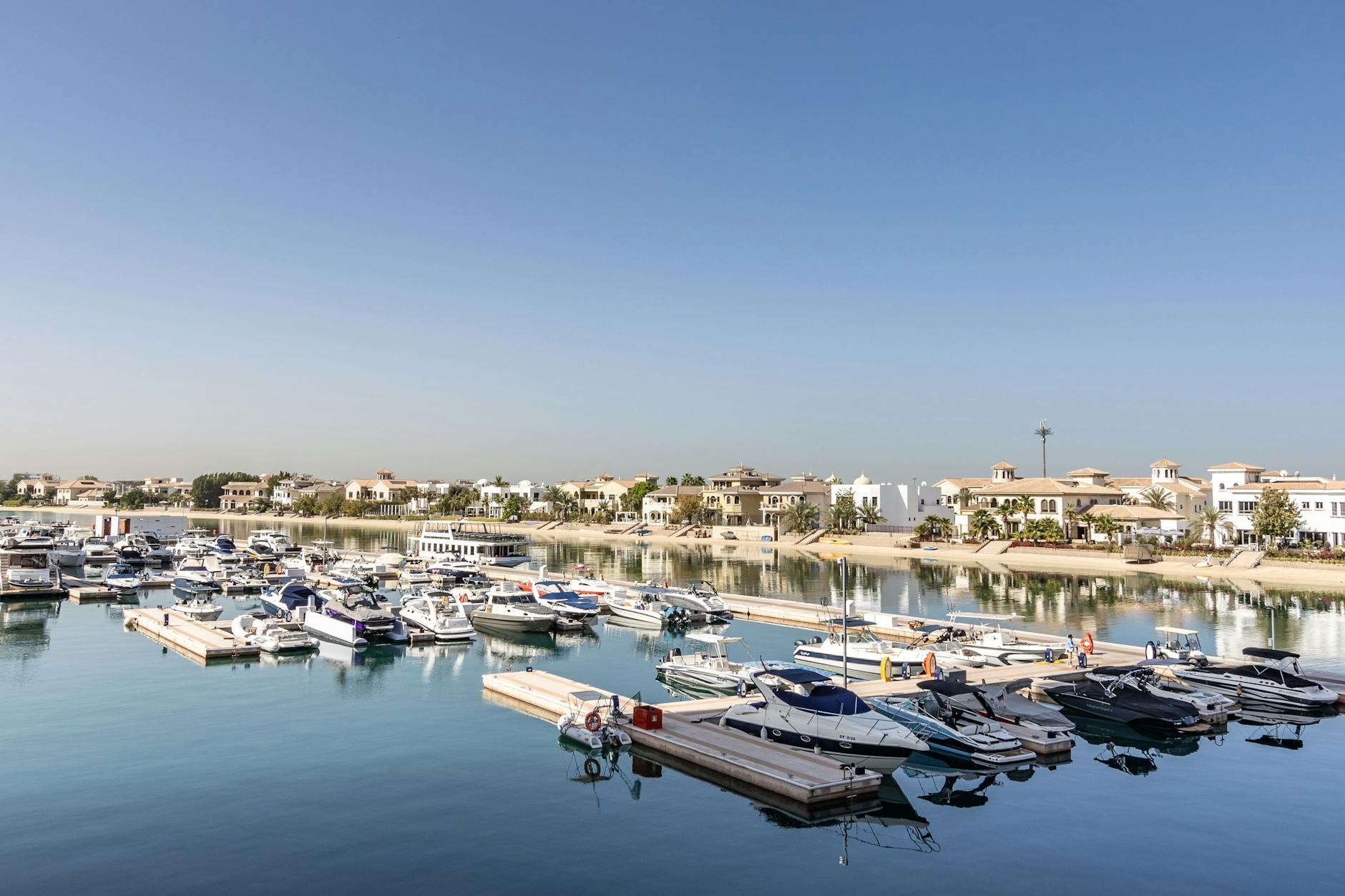
UAE takes top spot in new global real estate index
Estimated reading time: 7 minutes
Key Takeaways
- UAE residential assets deliver 6‑7% gross rental yields, outpacing most major global markets.
- Mid‑tier price per sqm is 10‑15% lower than in London, New York or Hong Kong, offering a cheaper entry point.
- Free‑hold ownership, a dollar‑pegged currency and a transparent land registry provide superior liquidity and legal clarity.
- No capital‑gains, inheritance or property tax amplifies after‑tax returns for international investors.
- Partnering with David Moya Real Estate LLC translates macro index data into concrete portfolio gains.
Table of Contents
- Introduction
- Why the Index Matters – A Primer for Sophisticated Buyers
- Core Drivers Behind the UAE’s Ascent
- Market Snapshot: Dubai vs. Abu Dhabi
- Investor Implications – Turning Rankings into Gains
- Risks and Mitigation Strategies
- How David Moya Real Estate LLC Amplifies Success
- Forward‑Looking Outlook (12‑24 Months)
- Frequently Asked Questions
- Take the Next Step
Introduction
The United Arab Emirates has emerged as the leading market in a newly published global real‑estate index compiled by an independent research firm. Scoring highest on rental‑income potential, price per square metre and overall market liquidity, the UAE is no longer a peripheral destination—it is now a primary hub for capital‑seeking investors, entrepreneurs, family offices and international buyers.
Why the Index Matters – A Primer for Sophisticated Buyers
The three pillars of the ranking
- Rental‑income potential – Gross yields exceed 6 % in many Dubai and Abu Dhabi districts, well above the global average of 4 % for comparable assets.
- Price per square metre – Mid‑tier residential units are 10‑15 % cheaper than in London, New York or Hong Kong.
- Liquidity & market transparency – Free‑hold zones, a digitised land‑registry and clear regulatory frameworks make transactions faster and more transparent than in most emerging‑market peers.
Who should care?
- Institutional and family‑office investors seeking stable, inflation‑linked cash flow.
- Entrepreneurial investors looking to combine living, working and capital preservation.
- International buyers needing a reliable legal structure for foreign ownership in the MENA region.
Core Drivers Behind the UAE’s Ascent
Capital flows and macro‑economic stability
Since 2020 the UAE has attracted more than US$150 billion of foreign direct investment, largely funneled into real‑estate, hospitality and technology‑linked projects. A zero‑tax personal‑income regime, political stability and a currency pegged to the US dollar provide a solid macro‑economic foundation.
Demographic momentum
The expatriate population now exceeds 10 million and continues to grow, fueling persistent demand for rental housing and premium office space, especially in Dubai and Abu Dhabi.
Supply‑demand dynamics
Developers have pivoted to mid‑tier, high‑quality residential units, resulting in vacancy rates of 6‑8 % in Dubai’s prime districts and 5‑7 % in Abu Dhabi’s key zones. Limited new supply keeps rent growth steady at 3‑5 % YoY.
Buyer sentiment and risk perception
The UAE is increasingly viewed as a low‑correlation asset relative to Europe and North America. Recent policy moves—100 % foreign ownership in free‑hold areas and a renewable 10‑year residency visa for investors (minimum AED 2 million)—have boosted confidence.
Market Snapshot: Dubai vs. Abu Dhabi
| Metric | Dubai (2024) | Abu Dhabi (2024) |
|---|---|---|
| Average rental yield (residential) | 6.2 % | 6.5 % |
| Price per sqm (mid‑tier) | AED 9,800 | AED 9,200 |
| Vacancy rate (prime) | 7 % | 6 % |
| New supply (2023‑24) | 4,200 units | 2,800 units |
| Major upcoming projects | Dubai Creek Harbour, The Heart of Europe | Al Maryah Island, Saadiyat Island Phase 2 |
Strategic angles: Dubai offers high liquidity and a vibrant short‑term rental market, while Abu Dhabi provides steadier long‑term corporate tenancy and a focus on cultural and sustainable development.
Investor Implications – Turning Rankings into Portfolio Gains
Income generation
A US$1 million acquisition in Dubai Marina at a 6.2 % gross yield produces roughly US$62,000 of annual rent before expenses—significantly higher than comparable London assets.
Capital appreciation
After the 2009‑10 correction, UAE values recovered within 18 months and have continued to climb, supported by infrastructure upgrades such as the Dubai Metro expansion and Abu Dhabi’s new airport terminal.
Portfolio diversification
UAE real‑estate adds geographic and economic buffer, with rental cash flow largely insulated from global interest‑rate swings because most leases are denominated in AED.
Tax efficiency
No capital‑gains, inheritance or property tax for free‑hold owners amplifies after‑tax returns, a key advantage for high‑net‑worth individuals and family offices.
Risks and Mitigation Strategies
| Risk | Description | Mitigation |
|---|---|---|
| Regulatory change | Potential tightening of rent‑control or visa rules | Continuous legal monitoring; diversify across free‑hold zones |
| Economic slowdown | Global recession could reduce expat inflows | Target assets with long‑term corporate leases; maintain cash reserves |
| Oversupply in lower‑tier segments | New off‑plan projects may pressure prices | Prioritise prime, limited‑supply locations; use selective pre‑delivery acquisition |
| Currency exposure | Extreme market stress could test AED peg | Hedge exposure where appropriate; structure loans in AED |
How David Moya Real Estate LLC Amplifies Investor Success
From brokerage to strategic advisory
David Moya Real Estate LLC functions as a full‑service investment adviser, aligning each transaction with the client’s broader portfolio objectives—whether the goal is steady income, accelerated capital growth, or geographic diversification.
Core services for sophisticated investors
| Service | What it Entails | Investor Benefit |
|---|---|---|
| Market guidance | In‑depth macro trends, sector outlooks, regulatory updates | Clear understanding of why the UAE ranks top and where value pockets exist |
| Investment strategy design | Tailored allocation models (e.g., 70 % core‑plus residential, 30 % opportunistic commercial) | Optimised risk‑adjusted returns and alignment with liquidity targets |
| Location selection & shortlisting | Data‑driven scoring of districts | Faster decision‑making and higher likelihood of securing premium units |
| Transaction support & negotiation | Coordination with developers, legal counsel and financing partners | Better purchase price, favourable terms, reduced closure time |
| Risk awareness & due diligence | Title verification, developer track‑record analysis, rent‑roll validation | Minimised legal exposure and avoidance of under‑performing assets |
| Long‑term portfolio planning | Performance monitoring, rebalancing, exit strategy formulation | Sustainable wealth creation and ability to capitalise on market cycles |
Tangible outcomes for clients
- Quarterly briefs that translate index data into actionable insights.
- Focused district shortlists that accelerate acquisition and improve pricing.
- Proprietary scoring matrix that filters projects on construction quality, tenant profile and resale potential.
- Integrated risk dashboards for proactive mitigation.
- Network of trusted lenders, notaries and government liaison officers to speed approvals and lower costs.
- Multilingual support (English, Arabic, Mandarin) for seamless cross‑border transactions.
Forward‑Looking Outlook – Next 12‑24 Months
- Expo‑2025 expected to boost tourism by 20 %, potentially lifting short‑term rental yields in Dubai to 7 %.
- Developers will deliver ~6,000 new residential units in 2025, primarily mid‑tier free‑hold projects, keeping price appreciation at 4‑5 % YoY.
- Extension of the 10‑year residency visa to investors purchasing above AED 5 million will broaden the buyer pool.
- Increasing allocation from global pension funds and sovereign wealth entities to “high‑yield, low‑tax” markets.
- Launch of a blockchain‑based land‑registry platform will further enhance transaction speed and transparency.
Frequently Asked Questions
Can non‑UAE residents purchase free‑hold property?
Yes. Since 2002 foreigners may own free‑hold units in designated zones across Dubai, Abu Dhabi and other emirates. No local residency is required for purchase, although certain visa programmes (e.g., the 10‑year residency) have minimum investment thresholds.
How does the UAE’s rental‑income potential compare with other high‑yield markets?
UAE residential gross yields of 6‑7 % exceed most European capitals (3‑4 %) and are comparable to top Asian markets such as Singapore (5‑6 %).
What are the main tax considerations for an international buyer?
The UAE imposes no capital‑gains, inheritance or property tax on free‑hold owners. Investors should still assess tax obligations in their home jurisdiction on worldwide income.
Is financing available for foreign investors?
Yes. Local banks and international lenders offer mortgages up to 70 % loan‑to‑value for qualified expatriates and foreign entities, typically with rates linked to the AED’s U.S. dollar peg.
How does David Moya Real Estate LLC support post‑purchase management?
The firm provides asset‑performance monitoring, tenant placement services and strategic recommendations for refinancing or disposition when market conditions warrant.
Take the Next Step
The UAE’s top spot in the new global real‑estate index is a clear invitation to investors seeking high yields, price efficiency and legal certainty. Whether you are a family office, an entrepreneur, or an international buyer, now is the time to act.
Contact David Moya Real Estate LLC today to schedule a strategic consultation, receive a customised market brief, and begin building a resilient, income‑driven property portfolio in the UAE.
Phone: +971 4 555 1234
Email: info@davidmoya.com
Research sources and credits
Research sources and credits: This article was prepared using reporting and market updates from the publishers below. Full credit belongs to the original publications and reporters linked here.
- UAE takes top spot in new global real estate index
Credit: Web
The UAE has scored “highly for rental income potential, and the price of property per square metre is lower than other major international
Next steps
If you want help evaluating projects, comparing returns, or building a UAE property strategy, contact David Moya Real Estate at +971 52 217 2034 or info@davidmoya.org.


