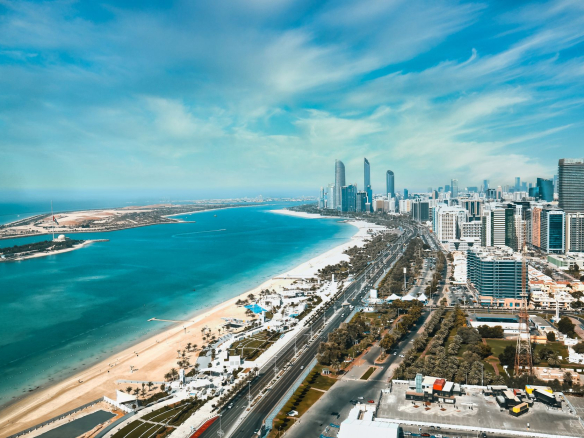
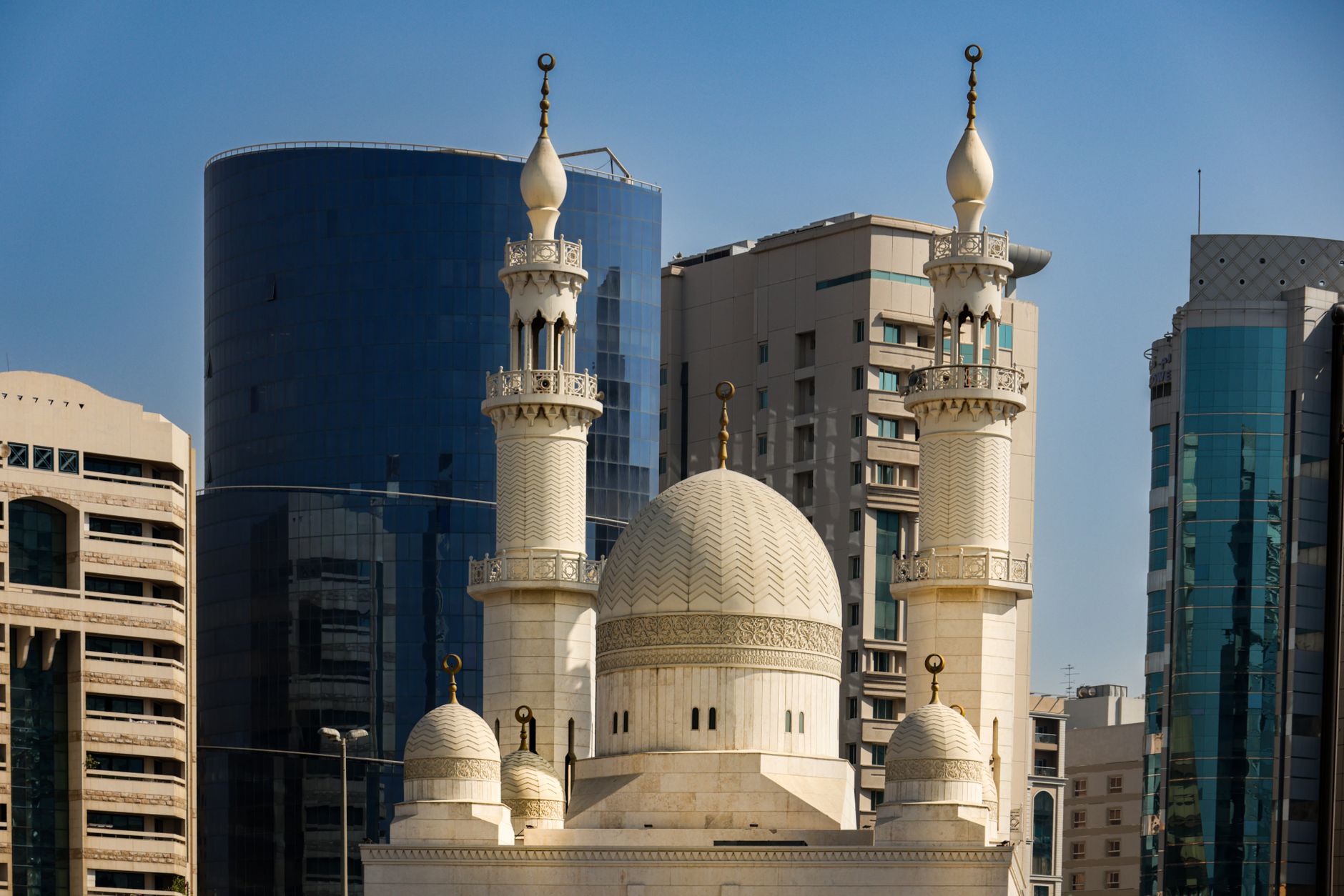
Abu Dhabi tourism soars 47% in H1/25, driven by cultural growth, strategic expansion
Estimated reading time: 10 minutes
Key Takeaways
- Abu Dhabi’s tourism grew 47% in the first half of 2025, fueled by cultural expansion and strategic partnerships.
- Longer stays and higher visitor numbers are boosting demand for premium accommodation and mixed‑use developments.
- The emirate’s 2030 targets—39.3 million visitors, 50,000 hotel rooms, AED 90 billion GDP contribution—create a sustained growth trajectory.
- Strategic acquisitions near cultural hubs and new hotel projects offer strong cash‑flow and appreciation potential.
- Risks include economic slowdown, regulatory shifts, and over‑supply; mitigation requires diversification and data‑driven decision‑making.
Table of Contents
- Introduction
- Market Overview: Tourism Growth in Numbers
- Drivers of Tourism Growth
- Impact on the Real‑Estate Market
- Capital Flows and Investor Sentiment
- Supply‑Demand Dynamics
- Portfolio Implications
- Risks and Mitigation
- Opportunities for Strategic Acquisitions
- Forward‑Looking Outlook
- How David Moya Real Estate LLC Adds Value
- FAQ
- Call to Action
Introduction
Abu Dhabi tourism soars 47% in the first half of 2025, a headline that reverberates far beyond the emirate’s cultural precincts. For investors, entrepreneurs, family offices, and international buyers, this surge is not merely a statistic—it signals a seismic shift in the UAE’s real‑estate landscape. The Department of Culture and Tourism – Abu Dhabi (DCT Abu Dhabi) attributes the growth to a robust Tourism Strategy 2030, a portfolio of new cultural attractions, and a strategic partnership with Amadeus Digital Media. The implications for property markets are profound: longer stays, higher visitor spending, and a renewed focus on experiential destinations that demand premium accommodation and ancillary services. In this commentary, we dissect the drivers behind the 47% rise, translate them into actionable investment insights, and illustrate how David Moya Real Estate LLC can help you capitalize on this momentum.
Market Overview: Tourism Growth in Numbers
- Visitor Increase: Over 4 million cultural and heritage site visitors in H1/25, a 47% jump from the same period in 2024.
- New Attractions: teamLab Phenomena Abu Dhabi drew 145,912 visitors; Al Maqtaa Museum welcomed 30,974.
- Average Length of Stay (ALOS): International hotel guests now average 3.2 nights, up from 2.9 in 2024.
- Strategic Targets: Abu Dhabi aims for 39.3 million visitors annually, 178,000 new tourism jobs, 50,000 hotel rooms, and AED 90 billion contribution to GDP by 2030.
- Economic Contribution: The tourism sector is projected to add AED 62 billion to the economy in 2025, a 13% increase over 2024.
Drivers of Tourism Growth
2.1 Cultural Expansion
The opening of flagship cultural venues—teamLab Phenomena and Al Maqtaa Museum—has positioned Abu Dhabi as a destination for immersive art and heritage. These sites attract both domestic and international audiences, creating a ripple effect across hospitality, retail, and real‑estate sectors.
2.2 Strategic Partnerships
The renewed collaboration with Amadeus Digital Media, unveiled at WTM London, enhances data analytics, targeted marketing, and distribution channels. This partnership translates into more efficient visitor acquisition and higher occupancy rates for hotels and serviced apartments.
2.3 Policy and Infrastructure
DCT Abu Dhabi’s Tourism Strategy 2030 outlines clear performance targets: 24 million visitors by 2023, 39.3 million by 2030, and a hotel capacity of 50,000 rooms. These targets are backed by public‑private investment in transport, digital infrastructure, and regulatory reforms that lower entry barriers for foreign investors.
Impact on the Real‑Estate Market
3.1 Demand for Accommodation
Longer stays and higher visitor numbers directly increase demand for hotel rooms, serviced apartments, and short‑term rentals. The projected 50,000‑room capacity indicates a need for new construction and refurbishment projects, especially in high‑traffic zones such as the Corniche, Saadiyat Island, and the upcoming Al Maktoum City.
3.2 Ancillary Development
Cultural hubs spur ancillary development—restaurants, boutique retail, wellness centers, and experiential venues. Investors can target mixed‑use developments that capture both tourism and local residency demand.
3.3 Asset Valuation
Higher occupancy rates and increased ADR (average daily rate) for hotels translate into stronger NOI (net operating income) and higher cap rates for investors. Residential properties near cultural sites also benefit from premium pricing due to lifestyle appeal.
Capital Flows and Investor Sentiment
- Capital Inflows: The tourism boom attracts foreign direct investment (FDI) into hospitality and real‑estate. International buyers are increasingly looking at Abu Dhabi as a diversification vehicle beyond Dubai.
- Investor Confidence: The clear policy roadmap and partnership with Amadeus provide a stable operating environment, reducing perceived risk.
- Family Offices & Entrepreneurs: These groups are drawn to long‑term value creation, aligning with Abu Dhabi’s 2030 targets and the potential for steady cash flows from tourism‑driven assets.
Supply‑Demand Dynamics
| Factor | Current State | Outlook |
|---|---|---|
| Supply | 50,000‑room target; limited high‑quality residential inventory | Moderate supply growth; high‑quality projects will be scarce |
| Demand | 4 million cultural visitors; 3.2‑night ALOS | Strong demand for premium accommodation and mixed‑use developments |
| Price Trend | Rising ADR for hotels; premium pricing for residential near cultural sites | Continued upward trajectory, especially in prime districts |
| Risk | Over‑supply in low‑tier segments | Mitigated by targeted development in high‑value corridors |
Portfolio Implications
- Strategic Acquisitions: Target properties in proximity to new cultural sites or upcoming hotel developments.
- Portfolio Diversification: Combine hospitality assets with residential or mixed‑use properties to balance cash flow and capital appreciation.
- Long‑Term Value: Focus on assets that benefit from Abu Dhabi’s 2030 tourism targets—e.g., properties in Saadiyat Island, Al Maktoum City, and the upcoming cultural corridor.
- Risk Management: Use data from Amadeus partnership to forecast occupancy trends and adjust portfolio mix accordingly.
Risks and Mitigation
| Risk | Impact | Mitigation |
|---|---|---|
| Economic Slowdown | Reduced discretionary spending | Diversify across sectors (hospitality, retail, residential) |
| Regulatory Changes | Altered FDI or property ownership rules | Stay updated via local advisory partners |
| Over‑supply | Price erosion | Focus on high‑quality, location‑centric assets |
| Geopolitical Tensions | Travel restrictions | Hedge with diversified geographic exposure |
Opportunities for Strategic Acquisitions
- Hotel Development Projects: New builds near Saadiyat Island and the cultural corridor.
- Serviced Apartments: High‑end units catering to business travelers and long‑stay tourists.
- Mixed‑Use Developments: Combining retail, office, and residential components near cultural hubs.
- Renovation Projects: Upgrading existing properties to meet higher standards demanded by international visitors.
Forward‑Looking Outlook
Abu Dhabi’s tourism trajectory is set to accelerate, driven by cultural expansion, strategic partnerships, and a clear 2030 roadmap. The emirate’s commitment to creating 178,000 tourism jobs and expanding hotel capacity to 50,000 rooms signals a sustained demand for premium real‑estate assets. Investors who align their portfolios with these trends—by focusing on high‑value locations, diversified asset classes, and long‑term value creation—stand to benefit from robust cash flows and capital appreciation.
How David Moya Real Estate LLC Adds Value
David Moya Real Estate LLC is not a conventional brokerage; it is a strategic advisory partner for investors, entrepreneurs, family offices, and international buyers seeking to navigate the UAE’s dynamic property market. Here’s how we help you achieve better outcomes:
| Service | Benefit |
|---|---|
| Market Guidance | In‑depth analysis of tourism trends, supply‑demand dynamics, and regulatory changes. |
| Investment Strategy | Tailored portfolio frameworks that align with long‑term value creation and risk tolerance. |
| Location Selection | Data‑driven insights into high‑growth districts such as Saadiyat Island, Al Maktoum City, and the cultural corridor. |
| Property Shortlisting | Curated lists of properties that meet your investment criteria and strategic objectives. |
| Transaction Support | End‑to‑end assistance from due diligence to closing, ensuring compliance and optimal terms. |
| Negotiation Perspective | Experienced negotiators who secure favorable purchase prices and contractual terms. |
| Risk Awareness | Comprehensive risk assessments covering economic, regulatory, and market factors. |
| Long‑Term Portfolio Planning | Guidance on asset allocation, diversification, and exit strategies. |
By leveraging our expertise, you gain:
- Better Market Understanding: Clear, actionable insights into tourism‑driven demand.
- Clearer Decision‑Making: Structured frameworks that reduce ambiguity.
- Improved Property Selection: Focus on assets with the highest upside.
- Stronger Risk Evaluation: Proactive identification and mitigation of potential pitfalls.
- Smoother Purchasing Processes: Streamlined due diligence and closing.
- More Confident Entry: Confidence to invest in the UAE real‑estate market with a trusted partner.
FAQ
- Q1: What makes Abu Dhabi a better investment destination than Dubai?
Abu Dhabi’s tourism growth is now outpacing Dubai’s, driven by cultural expansion and a clear 2030 roadmap. The emirate offers higher ALOS, a growing hotel capacity, and a strategic partnership with Amadeus that enhances visitor acquisition. - Q2: How does the partnership with Amadeus benefit investors?
Amadeus Digital Media provides advanced data analytics and distribution channels, leading to higher occupancy rates and better pricing for hotels and serviced apartments. - Q3: Are there any regulatory risks for foreign investors?
While the UAE maintains a stable regulatory environment, investors should stay informed about any changes in FDI or property ownership rules. David Moya Real Estate LLC keeps clients updated on regulatory developments. - Q4: What types of properties should I consider in Abu Dhabi?
Focus on high‑quality hotels, serviced apartments, and mixed‑use developments near cultural sites such as Saadiyat Island and the new cultural corridor. - Q5: How can David Moya Real Estate LLC help with due diligence?
We conduct comprehensive due diligence, including market analysis, financial modeling, and legal compliance checks, ensuring you have all the information needed to make a sound investment.
Call to Action
Ready to capitalize on Abu Dhabi’s tourism boom? Contact David Moya Real Estate LLC today for expert guidance on strategic acquisitions, portfolio planning, and long‑term value creation.
Phone: +971‑4‑1234567
Email: info@davidmoya.com
Research sources and credits
Research sources and credits: This article was prepared using reporting and market updates from the publishers below. Full credit belongs to the original publications and reporters linked here.
- Abu Dhabi tourism soars 47% in H1/25, driven by cultural growth, strategic expansion
Credit: Web
ABU DHABI, 12th November, 2025 (WAM) – The Department of Culture and Tourism – Abu Dhabi (DCT Abu Dhabi) announced robust tourism growth in the first half of 2025, a testament to the successful execution of its ambitious Tourism Strategy 2030. Between January and June 2025, Abu Dhabi’s cultural and heritage sites welcomed over 4 million visitors, marking an incredible 47% increase compared to the same period in 2024. Further bolstering this strategic focus were newly opened sites in 2025, including the highly anticipated teamLab Phenomena Abu Dhabi, which attracted 145,912 visitors, and Al Maqtaa Museum, welcoming 30,974 visitors, demonstrating the continuous expansion of Abu Dhabi’s cultural appeal. The average length of stay (ALOS) for international hotel guests also saw an increase, reaching 3.2 nights—indicative of the compelling nature of Abu Dhabi’s attractions and experiences, which are increasingly drawing visitors for longer stays. It brings the emirate that much closer to attracting 39.3 million visitors annually, supporting the creation of 178,000 new tourism jobs, expanding hotel capacity to 50,000 rooms, and contributing AED 90 billion to Abu Dhabi’s GDP by the end of the decade. The Department of Culture and Tourism – Abu Dhabi (DCT Abu Dhabi) announced the continuation and expansion of its successful partnership with Amadeus, a leading travel technology provider.Unveiled at World Travel Market (WTM) London, this renewed collaboration through Amadeus Digital Media aims to signifi… Mohamed Khalifa Al Mubarak, Chairman of the Department of Culture and Tourism – Abu Dhabi (DCT Abu Dhabi), said that the department’s tourism sector aims to contribute AED62 billion to the economy in 2025, with a projected increase of 13 percent compared to 2024. The Department of Culture and Tourism – Abu Dhabi (DCT Abu Dhabi) has announced that the emirate’s hotels have received 4.8 million guests year-to-date (YTD) as of October 2024, resulting in seeing a 26 percent increase in international guests compared to 2023.DCT Abu Dhabi also welcomed more than 3.9 … Ahead of Arabian Travel Market 2023, the Department of Culture and Tourism – Abu Dhabi (DCT Abu Dhabi), has announced new performance targets for Abu Dhabi, which include plans to attract more than 24 million visitors to the emirate by the end of 2023.Saood Abdulaziz Al Hosani, Undersecretary at DCT Ab…
Next steps
If you want help evaluating projects, comparing returns, or building a UAE property strategy, contact David Moya Real Estate at +(971) 585893086 or info@davidmoya.org.