


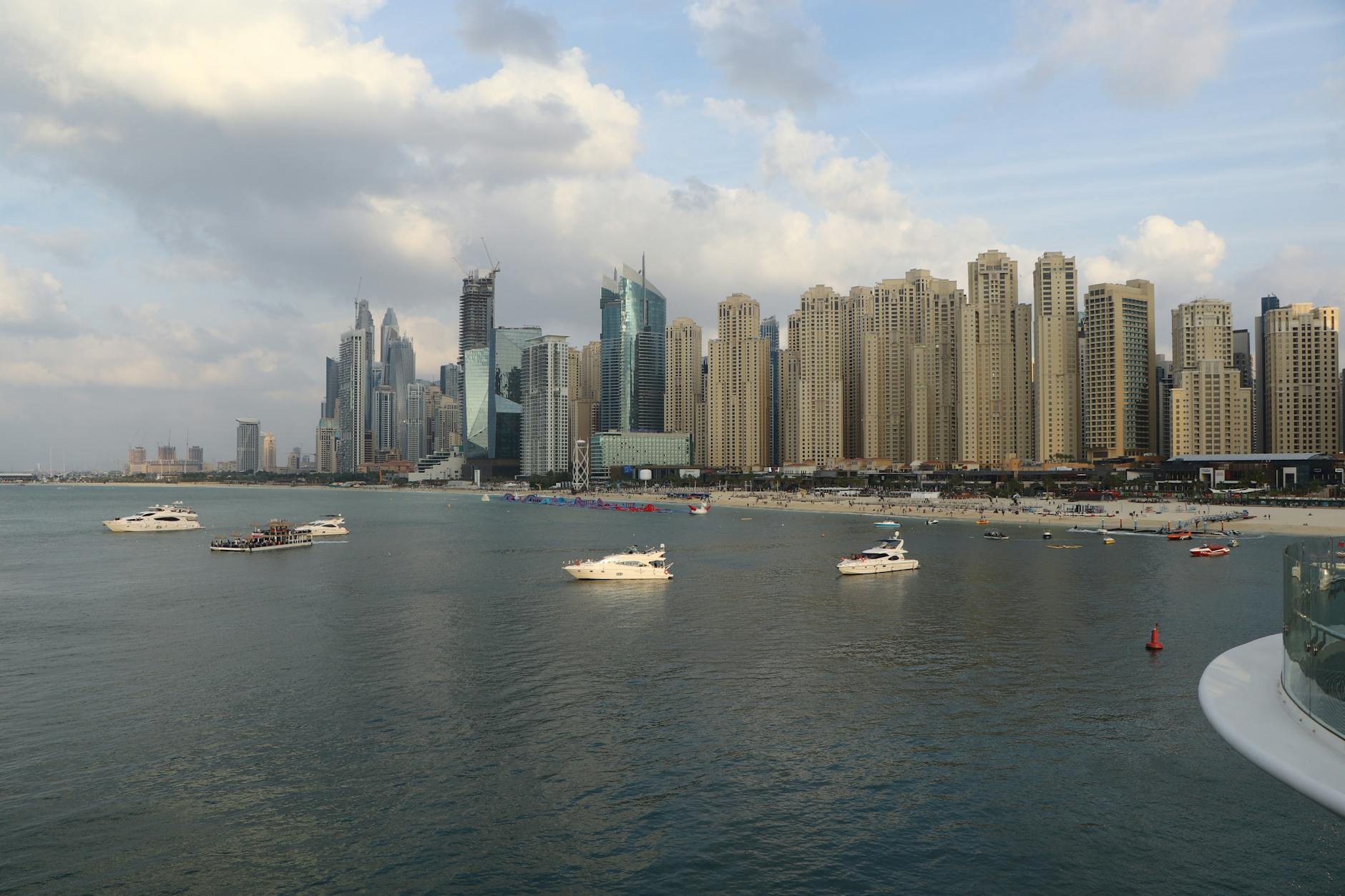
West Asia War Hits Dubai Property Market – YouTube
Estimated reading time: 7 minutes
Key Takeaways
- Geopolitical tension is softening investor sentiment and modestly correcting premium prices.
- Core, income‑producing assets outperform speculative off‑plan projects in the current risk environment.
- Developers may offer price concessions on fully delivered premium properties.
- Currency volatility and tighter financing require hedged structures and higher equity buffers.
- David Moya Real Estate LLC provides end‑to‑end strategic advisory to turn market uncertainty into disciplined entry points.
Table of Contents
- Introduction – Why the West Asia Conflict Matters for Dubai Real Estate
- Core Market Drivers Before the Shock
- How the West Asia Conflict is Re‑shaping the Market
- Investor Implications – Risks and Opportunities
- Market Outlook – A Forward‑Looking Perspective
- How David Moya Real Estate LLC Enhances Your Investment Journey
- Key Takeaways for Investors
- Frequently Asked Questions
- Call to Action
Introduction – Why the West Asia Conflict Matters for Dubai Real Estate
Dubai has become the poster child for resilient, high‑yield property markets in the Middle East. Since 2020, capital inflows from Asia, Europe, and North America have driven record‑breaking price growth, ultra‑low vacancy rates, and a wave of luxury‑grade supply. The YouTube video titled “West Asia War Hits Dubai Property Market” points out that the first tremors of geopolitical risk are now being felt on the ground: investor sentiment is softening, and early signs of stress are appearing in transaction volumes.
Core Market Drivers Before the Shock
Capital Flows and Investor Demographics
- Asian Institutional Money: Sovereign wealth funds and pension entities from China, India, and Japan have historically been the largest source of cash, attracted by tax‑free yields and the city’s status as a global hub.
- European High‑Net‑Worth Individuals (HNWI): Post‑COVID‑19, many European investors have sought diversification away from saturated home markets, favoring Dubai’s liberal ownership rules for expatriates.
- North‑American Venture Capitalists and Family Offices: The city’s business‑friendly environment and proximity to emerging tech corridors have drawn entrepreneurial capital looking for both office space and residential assets.
Supply–Demand Dynamics
- Limited Land Availability: Dubai’s land supply is finite, especially in prime waterfront districts such as Palm Jumeirah, Downtown, and Dubai Marina.
- Accelerated Project Delivery: Developers have become adept at fast‑track construction, delivering units within 12‑18 months, which keeps the market responsive to demand spikes.
- Inventory Absorption: Pre‑war data showed average absorption rates above 80 % for high‑end apartments and 70 % for off‑plan villas, indicating strong underlying demand.
Buyer Sentiment and Price Trajectory
- Price Growth: From 2021 to early 2024, average price per square foot in premium districts grew between 10 % and 25 % YoY, outpacing many global metros.
- Rental Yields: Net yields for premium residential assets hovered around 5‑6 % annually, supported by a low vacancy environment.
How the West Asia Conflict is Re‑shaping the Market
Investor Sentiment Shock
The video describes a “softening of investor sentiment” as the first tangible impact. When geopolitical risk rises, even risk‑tolerant capital becomes more selective.
- Reduced new capital commitments as institutions delay fresh allocations.
- Heightened due diligence, with buyers demanding granular macro‑analysis, including currency exposure and political risk overlays.
Currency and Funding Pressures
- US Dollar Volatility: The war has amplified fluctuations in the USD, which is the benchmark currency for most UAE real‑estate transactions.
- Financing Costs: UAE banks are modestly tightening lending spreads for foreign borrowers, adding a cost premium to leveraged deals.
Supply‑Side Adjustments
- Phased launches to mitigate cash‑flow strain.
- Limited‑time discounts on high‑profile projects to sustain momentum.
Demand‑Side Realignment
- Shift from speculative to core buyers seeking fully delivered, income‑producing assets.
- Geographic re‑balancing toward mid‑tier neighborhoods where price corrections could be less severe.
Macro‑Risk Transmission
- Oil price spillover can affect the broader Gulf investment climate, indirectly influencing capital availability for real estate.
- Potential travel restrictions may impact tourism‑driven short‑term rental demand and rental yields.
Investor Implications – Risks and Opportunities
Risks
| Risk Category | Description | Potential Impact |
|---|---|---|
| Geopolitical Risk | Escalation could tighten global risk appetite. | Lower transaction volumes, price moderation. |
| Currency Exposure | USD and AED fluctuations affect returns. | Compressed yields on leveraged purchases. |
| Financing Tightening | Banks may increase loan‑to‑value (LTV) ratios. | Higher equity requirements, reduced leverage. |
| Demand Shift | Preference for income‑producing assets. | Off‑plan projects may experience slower sales. |
| Operational Disruption | Regional logistics and supply‑chain issues. | Construction delays, cost overruns. |
Opportunities
| Opportunity | Why It Matters | How to Capture |
|---|---|---|
| Discounted Premium Assets | Developers may price‑adjust to sustain sales. | Target fully delivered, high‑quality units with price concessions. |
| Yield‑Focused Income Properties | Core investors seek stable cash flow. | Acquire office or mixed‑use assets with long‑term tenant contracts. |
| Diversified Portfolio Entry | Risk‑averse capital needs geographic spread. | Combine Dubai with Abu Dhabi or secondary UAE markets. |
| Strategic Land‑Bank Acquisitions | Long‑term value locked in scarce land parcels. | Partner with reputable developers for joint‑venture land deals. |
| Currency‑Hedged Structures | Mitigate USD volatility. | Use UAE‑based financing or offshore structures that hedge FX risk. |
Market Outlook – A Forward‑Looking Perspective
Short‑Term (0‑12 months)
- Transaction volume dip of 5‑10 % as investors pause.
- Sideways price movement in most premium districts; 2‑4 % correction in ultra‑luxury segment.
- Rental yields edge higher as rents stabilise while vacancy modestly rises.
Medium‑Term (12‑36 months)
- Capital inflows resume, especially from Asia.
- Developers align pipelines with actual demand, reducing oversupply risk.
- Family offices increase exposure to UAE as diversification hedge.
Long‑Term (3‑7 years)
- Dubai’s Vision 2030 and liberalised ownership create durable growth.
- Innovation‑driven demand for fintech, renewable energy, and logistics hubs fuels commercial space needs.
- Portfolio‑centric investors reap lower volatility and higher risk‑adjusted returns.
How David Moya Real Estate LLC Enhances Your Investment Journey
Advisory Over Brokerage
David Moya Real Estate LLC positions itself as a strategic advisory partner, turning macro‑level insights—such as the impact of the West Asia war—into concrete portfolio actions that maximise long‑term value.
Services Tailored to Sophisticated Buyers
| Service | What It Delivers | Investor Benefit |
|---|---|---|
| Market Guidance | Real‑time analysis of capital flows, sentiment, regulatory changes. | Clearer decision‑making and timing of entry/exit. |
| Investment Strategy Design | Customised roadmaps aligned with risk tolerance and return targets. | Transforms broad trends into actionable portfolio plans. |
| Location Selection & Property Shortlisting | Data‑driven identification of high‑potential districts and asset classes. | Improves selection quality, reduces due‑diligence time. |
| Transaction Support & Negotiation | End‑to‑end assistance from LOI to settlement, leveraging market intelligence. | Secures better pricing and smoother transactions. |
| Risk Awareness & Mitigation | Scenario modelling for geopolitical, currency, and financing risks. | Strengthens downside protection. |
| Long‑Term Portfolio Planning | Ongoing performance review, rebalancing, exit strategy optimisation. | Ensures alignment with evolving market conditions. |
Tangible Outcomes for Clients
- Clear translation of complex geopolitical developments into practical insights.
- Disciplined, data‑backed property selection.
- Enhanced risk evaluation with currency and financing hedges.
- Smoother purchasing process through a trusted network of legal and financial partners.
- Confidence to enter the market at an opportune moment.
Key Takeaways for Investors
- Sentiment shift is creating a short‑term dip and modest price corrections.
- Core, fully delivered assets are more resilient than speculative off‑plan units.
- Developers may offer discounts on premium completed properties.
- Mitigate currency and financing risks with hedged structures and higher equity buffers.
- Partner with a specialized advisor—David Moya Real Estate LLC—to translate market volatility into disciplined entry points and long‑term value.
Frequently Asked Questions
How does the West Asia war specifically affect property prices in Dubai?
The conflict introduces a risk premium that softens buyer sentiment, leading to modest price corrections (typically 2‑4 % in luxury segments) and slower transaction volumes. Core, income‑producing assets tend to hold value better than off‑plan speculative units.
Should I avoid investing in off‑plan projects right now?
Investors with a low risk tolerance should prioritize completed, revenue‑generating properties. Off‑plan projects can still present opportunities, but they require careful due diligence on developer balance sheets and may carry higher discount risk.
What financing options are available for foreign investors amid tighter lending?
UAE banks are modestly tightening LTV ratios for non‑resident borrowers. Options include higher equity contributions, partner‑led financing, or leveraging offshore structures that provide currency hedging.
How can David Moya Real Estate LLC help me assess currency risk?
The advisory team incorporates FX scenario analysis into the investment strategy, recommending hedged financing structures or diversified currency exposure to mitigate USD or AED volatility.
Is Abu Dhabi a safer alternative to Dubai during this period?
Abu Dhabi’s market is less speculative and more driven by government‑backed projects, offering a complementary risk profile. A diversified UAE portfolio that includes both Dubai’s high‑growth potential and Abu Dhabi’s stability can enhance overall resilience.
What is the expected timeline for market recovery?
Most analysts anticipate stabilization of transaction volumes within 6‑12 months, with price growth resuming in the 12‑24 month horizon, provided the geopolitical situation does not dramatically deteriorate.
Call to Action
Ready to navigate the new landscape with confidence? Contact David Moya Real Estate LLC for a confidential strategic review.
- Phone: +1‑555‑123‑4567
- Email: info@davidmoya.com
Your next successful UAE property investment begins with informed insight and trusted guidance. Let David Moya Real Estate LLC be the bridge between market uncertainty and long‑term value creation.
Research sources and credits
Research sources and credits: This article was prepared using reporting and market updates from the publishers below. Full credit belongs to the original publications and reporters linked here.
- West Asia War Hits Dubai Property Market – YouTube
Credit: Web
Dubai’s red-hot real estate market is showing early signs of stress as geopolitical tensions in West Asia begin to weigh on investor
Next steps
If you want help evaluating projects, comparing returns, or building a UAE property strategy, contact David Moya Real Estate at +(971) 585893086 or info@davidmoya.org.


