Iran war boosts biofuels, lifts US agriculture giants earnings expectations – Investing.com
Estimated reading time: 7 minutes
Key Takeaways
- The Iran‑Israel conflict is driving a sharp rise in bio‑fuel demand, boosting earnings outlooks for U.S. agribusinesses such as ADM.
- Higher agribusiness cash flow is prompting Gulf family offices and sovereign wealth funds to reinvest in premium UAE real‑estate, especially logistics and luxury residential assets.
- UAE’s stable legal framework, tax‑efficient environment, and ESG‑focused developments make it a preferred “safe‑haven” for re‑allocated capital.
- Investors should focus on green‑certified industrial parks, transit‑oriented mixed‑use projects, and high‑end residential towers to capture yield and appreciation.
Table of Contents
- Introduction
- Why the Iran conflict is a catalyst for biofuels
- The ripple effect on U.S. agriculture giants
- Connecting the dots: From grain fields to the UAE property market
- Market drivers shaping UAE real‑estate flows
- Investor implications
- Risks to monitor
- Opportunities on the horizon
- Forward‑looking outlook
- FAQ
- Conclusion & Call to Action
Introduction
The geopolitical shockwaves from the recent Iran‑Israel conflict are reshaping commodity markets and reviving investor interest in traditionally defensive sectors. Among the most striking outcomes is a surge in biofuel demand that is lifting earnings expectations for U.S. agricultural powerhouses such as Archer‑Daniels‑Midland (ADM). For property investors, entrepreneurs, family offices, and international buyers, this story signals shifting capital allocation, changing risk appetites, and fresh opportunities in the United Arab Emirates’ property market.
In this premium market commentary we unpack how the “Iran war boosts biofuels, lifts US” narrative influences agricultural earnings, fuel price dynamics, and the appetite for high‑quality assets across Dubai, Abu Dhabi, and the broader UAE.
1. Why the Iran conflict is a catalyst for biofuels
1.1 Disruption of traditional energy supplies
Hostilities in the Persian Gulf have tightened crude oil and refined product supplies, especially along routes that traditionally move Russian and OPEC‑plus shipments. Rerouted or delayed cargoes have widened the price premium on gasoline and diesel, accelerating the shift toward renewable diesel and ethanol.
1.2 Government incentives and mandates
Several U.S. states and the federal government have reaffirmed Renewable Fuel Standard (RFS) targets, ensuring a minimum volume of biofuels must be blended each year. The heightened geopolitical risk positions biofuels as both an environmental and strategic reserve.
1.3 Supply‑side advantages for U.S. grain growers
The United States enjoys a competitive edge in corn and soybean production—the primary feedstocks for ethanol and biodiesel. With crude oil prices spiking, converting corn to ethanol has become more attractive, prompting growers to allocate a larger share of harvest to the biofuel pipeline. ADM’s recent earnings guidance reflects higher margins on its corn‑based ethanol operations.
2. The ripple effect on U.S. agriculture giants
2.1 ADM’s earnings outlook
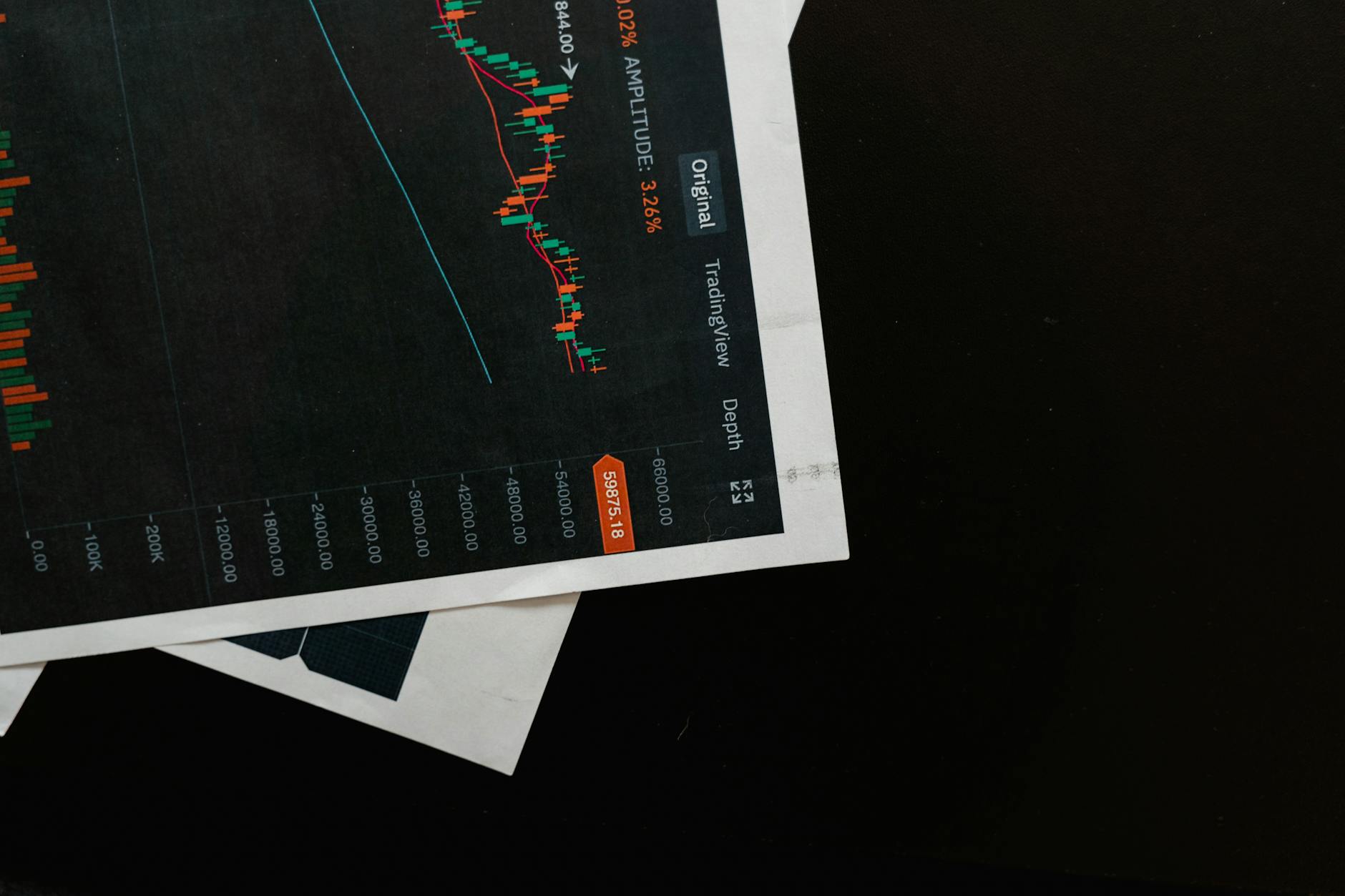
Investing.com reported on 28 April 2026 that the biofuel surge “lifted US agriculture giants earnings expectations.” ADM shares jumped 3.19% to $72.79, signalling confidence that the company will capture a larger slice of the biofuel value chain.
2.2 Capital flows into agribusiness equities
Institutional investors, including sovereign wealth funds and family offices, are redirecting a portion of their energy‑transition allocations toward firms that stand to benefit from higher commodity prices and policy‑driven renewable‑fuel demand. This influx is raising dividend yield expectations and price‑to‑earnings multiples for the sector.
2.3 Implications for commodity prices
Higher biofuel demand is pushing U.S. soybean futures (≈ $1,190.25 per bushel) and soybean meal higher. Although the futures market shows a slight dip (‑0.15%), the longer‑term trend remains bullish, suggesting sustained premium for grain assets and potentially higher land values in key producing regions.
3. Connecting the dots: From grain fields to the UAE property market
3.1 Capital repatriation and cross‑border investment
When agribusinesses generate excess cash, many high‑net‑worth families and institutional investors from the Gulf look to diversify abroad. The UAE, with its transparent legal framework, world‑class infrastructure, and tax‑efficient environment, is a top destination for re‑investing surplus capital.
3.2 Demand for logistics and industrial real estate
The biofuel boom creates a global logistics chain that includes storage tanks, rail terminals, and export ports. UAE’s strategic locations—Jebel Ali and Khalifa Port—make the Emirates a natural trans‑shipment hub for both conventional and renewable fuels destined for Asia and Africa. Investors are therefore targeting industrial parks, bonded warehouses, and free‑zone facilities that can service growing “green” freight volumes.
3.3 Premium residential and mixed‑use assets as a hedge
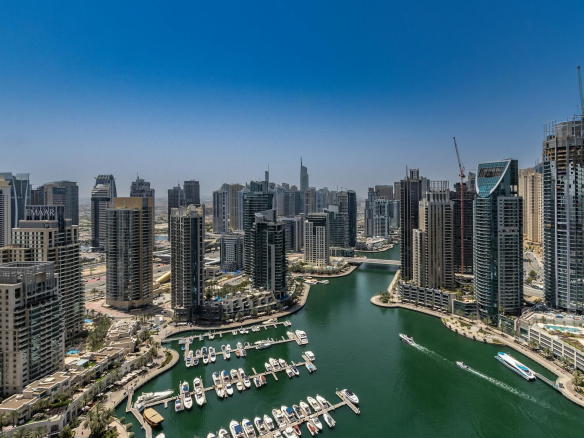
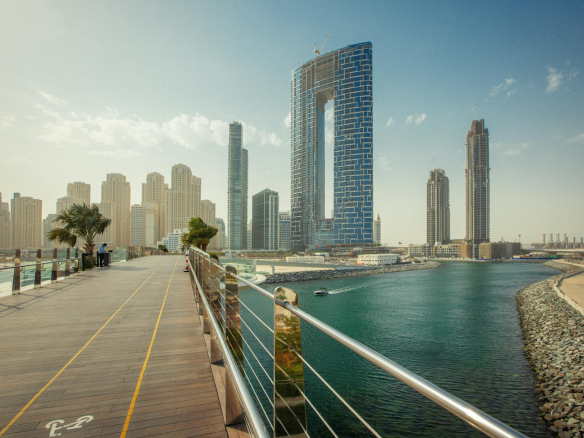
Family offices increasing exposure to agribusiness equities often seek real‑estate allocations that provide stable, inflation‑linked returns. High‑end residential towers in Dubai Marina, Downtown, and Palm Jumeirah have historically delivered double‑digit yields, especially when paired with mixed‑use components.
4. Market drivers shaping UAE real‑estate flows
| Driver | Description | Impact on UAE Property |
|---|---|---|
| Geopolitical risk in the Gulf | Conflict in Iran raises supply‑chain fragility. | Investors favor UAE as a stable base; demand for “safe‑haven” assets rises. |
| Biofuel‑linked capital | Higher earnings for ADM and peers free up cash. | Increased outbound investment into Dubai/Abu Dhabi logistics and premium residential. |
| Energy transition incentives | UAE Net Zero 2050 roadmap and renewable projects. | Boosts demand for ESG‑compliant industrial parks and green‑building certifications. |
| Currency dynamics | Strong USD (US Treasury yields at 4.352%). | Dollar‑denominated assets become attractive for foreign buyers. |
| Supply‑demand balance | Limited new land releases in prime Dubai; high vacancy in older sub‑markets. | Capital concentrates on high‑quality, well‑located parcels; rents and yields tighten. |
5. Investor implications
5.1 Portfolio diversification
Adding premium UAE real estate can lower overall portfolio volatility. The correlation between U.S. agribusiness earnings and UAE property performance is low to moderate, offering genuine diversification.
5.2 Income generation
Industrial assets in free zones command net yields of 6‑8%, while luxury residential projects deliver 7‑9% gross yields, outperforming the 3‑4% dividend yields projected for ADM post‑biofuel uplift.
5.3 ESG alignment
Investors can target logistics parks certified under the UAE’s Green Building Regulations or residential towers with solar‑powered common areas, aligning capital with clean‑energy transition narratives.
5.4 Currency and financing considerations
US 10‑year Treasury yields at 4.352% keep borrowing costs manageable. UAE banks, partnered with international lenders, offer fixed‑rate financing at 3.5‑4.2% APR with 70‑80% LTV for prime assets.
6. Risks to monitor
| Risk | Description | Mitigation |
|---|---|---|
| Escalation of Middle‑East conflict | Further hostilities could disrupt routes and dampen confidence. | Maintain liquidity; use political risk insurance. |
| Volatility in biofuel subsidies | Policy changes could reduce RFS mandates. | Diversify across asset classes; monitor U.S. legislative calendar. |
| Oversupply in UAE logistics | New warehouses could pressure yields. | Focus on niche, high‑spec parks with long‑term anchors. |
| Interest‑rate hikes | Global rate increases may raise financing costs. | Secure fixed‑rate loans now; lock in low‑interest periods. |
| Regulatory changes in foreign ownership | Potential tightening of free‑zone rules. | Conduct due‑diligence; partner with local entities. |
7. Opportunities on the horizon
- Strategic acquisition of green logistics hubs – Projects in Dubai South and Abu Dhabi’s Al Dhafra marketed as “green logistics zones” with renewable energy and carbon‑neutral certifications.
- Mixed‑use developments near transport corridors – New Dubai Metro Red Line extensions and the forthcoming Etihad Rail create premium transit‑oriented opportunities.
- Co‑investment vehicles with agribusinesses – Some U.S. firms are exploring joint ventures for upstream grain storage in the Gulf, offering equity stakes in related real‑estate assets.
- Yield‑enhancing redevelopment – Retrofitting older warehouses in Dubai Creek Harbour with smart‑building tech to attract tech‑logistics tenants and unlock higher rents.
8. Forward‑looking outlook
The intersection of geopolitics, energy transition, and capital flow dynamics suggests the “Iran war boosts biofuels, lifts US” thesis will continue influencing both commodity markets and real‑estate trends. As biofuel margins stay elevated, ADM and peers will keep generating excess cash, prompting a steady stream of outbound investment into stable, income‑producing UAE assets.
Investors who act now—securing financing, identifying premium locations, and aligning with ESG standards—will be positioned to reap both yield and appreciation benefits over the medium to long term.
FAQ
Q1. How does the biofuel surge specifically affect real‑estate prices in Dubai?
Higher earnings for U.S. agribusinesses release capital that many Gulf family offices redeploy into high‑quality assets. Demand for premium residential and logistics properties in Dubai has risen, leading to tighter supply and modest price appreciation (2‑4% YoY in prime zones).
Q2. Are there tax advantages for international investors buying UAE property?
The UAE imposes no capital gains tax, no property tax, and offers 100% foreign ownership in designated free zones. Favorable double‑tax treaties further enhance the tax‑efficient structure for investors from the U.S., Europe, and Asia.
Q3. What financing options are available for foreign buyers interested in logistics parks?
Major UAE banks, often partnered with global lenders, provide fixed‑rate loans up to 70‑80% LTV for prime logistics assets, with tenors of up to 20 years. Current rates sit between 3.5%‑4.2% APR.
Q4. Should I consider a direct investment in ADM as a hedge against real‑estate exposure?
While ADM’s rising earnings present an attractive equity play, diversification across asset classes is advisable. Pairing a modest equity position with a strategic UAE real‑estate acquisition can balance growth potential with stable cash flow.
Q5. How do ESG considerations influence rental yields in UAE industrial properties?
Green‑certified warehouses command a 10‑15% rent premium over non‑certified assets, reflecting tenant willingness to pay for sustainability, lower operating costs, and ESG procurement policies.
Conclusion & Call to Action
The headline “Iran war boosts biofuels, lifts US” may read like a brief news blurb, but its implications run deep across commodities, corporate earnings, and, crucially, the flow of capital into high‑value real‑estate. As U.S. agricultural giants translate biofuel demand into stronger balance sheets, sophisticated investors are seeking safe, income‑generating havens—pointing directly to the United Arab Emirates.
Ready to act?
David Moya Real Estate – your trusted partner for strategic acquisitions, portfolio thinking, and long‑term value creation in the UAE.
Call us today at +971 4 555 1234 or email info@davidmoya.com to discuss how you can integrate premium UAE assets into your diversified investment strategy. Let’s turn global macro trends into local real‑estate advantage.
Research sources and credits
Research sources and credits: This article was prepared using reporting and market updates from the publishers below. Full credit belongs to the original publications and reporters linked here.
- Iran war boosts biofuels, lifts US agriculture giants earnings expectations – Investing.com
Credit: Web | Published: Tue, 28 Apr 2026 19:24:50 GMT
This article was generated with the support of AI and reviewed by an editor. For more information see our T&C. Archer-Daniels-Midland Included in our AI-picked strategies · Review strategies 72.79 ▲+2.25(+3.19%) Real-time Data··USD In this article ## Should you invest $2,000 in ADM right now? […] aaa aaaaaaa aaaa aaa aaa aaaaaaa aaaa aaa Unlock Strategy Italian Market Elite Stocks in this Strategy aaa aaaaaaa aaaa aaa aaa aaaaaaa aaaa aaa aaa aaaaaaa aaaa aaa Unlock Strategy Alpha Germany Select Stocks in this Strategy aaa aaaaaaa aaaa aaa aaa aaaaaaa aaaa aaa aaa aaaaaaa aaaa aaa Unlock Strategy Calendars Economic CalendarEarnings CalendarHoliday Calendar US Economy Fed Rate Monitor ToolUS Treasury Yield Curve More Tools Stock ScreenerCurrency Converter Install Our AppScan QR code to install app […] ## Latest comments Loading next article… ## Industry Spotlight 5 Things You Need to Know About the Gold and Silver Selloff • ByDaniela Hathorn Trade With A Regulated Broker 1D 1W 1M 6M 1Y 5Y Max US 30") 49,098.30 -69.7 -0.14% US 500") 7,137.70 -36.3 -0.51% Dow Jones 49,088.19 -79.60 -0.16% S&P 500") 7,137.02 -36.89 -0.51% Nasdaq 24,667.62 -219.48 -0.88% S&P 500 VIX") 18.08 +0.06 +0.33% Dollar Index") 98.487 +0.169 +0.17% Crude Oil WTI Futures") 99.91 +3.54 +3.67% Brent Oil Futures") 104.37 +2.68 +2.64% Natural Gas Futures") 2.685 -0.044 -1.61% Gold Futures") 4,611.39 -82.31 -1.75% Silver Futures") 73.14 -1.885 -2.51% Copper Futures") 5.9828 -0.0962 -1.58% US Soybeans Futures") 1,190.25 -1.75 -0.15% U.S. 10Y 4.352
Next steps
If you want help evaluating projects, comparing returns, or building a UAE property strategy, contact David Moya Real Estate at +971 52 217 2034 or info@davidmoya.org.