UAE taking advantage of global energy needs by leaving OPEC – The Jerusalem Post
Estimated reading time: 7 minutes
Key Takeaways
- UAE’s OPEC exit removes a layer of geopolitical risk and signals stable energy policy.
- Capital previously tied to OPEC compliance is being redirected into high‑growth real‑estate sectors.
- Renewable and energy‑secure projects are emerging as premium assets.
- Family offices, international buyers and institutional investors should align with ESG‑focused, mixed‑use developments.
- Watch regional geopolitical tensions and regulatory adjustments for risk management.
Table of Contents
- Introduction
- 1. Why the OPEC Exit Matters for Real‑Estate Investors
- 2. Macro Drivers Shaping the UAE Property Landscape
- 3. Investor Implications: Risks and Opportunities
- 4. Portfolio Takeaways for Different Investor Types
- 5. Forward‑Looking Outlook: 2026‑2030
- 6. Frequently Asked Questions
- Conclusion & CTA
Introduction
The United Arab Emirates’ decision to exit the Organization of the Petroleum Exporting Countries (OPEC) is more than a diplomatic footnote; it is a strategic pivot that will reverberate through global energy markets and, critically, through the UAE’s real‑estate landscape. For property investors, entrepreneurs, family offices, and international buyers, the headline‑making move—“UAE taking advantage of global energy”—signals a new era of capital flows, market confidence, and portfolio‑building opportunities that merit close attention.
1. Why the OPEC Exit Matters for Real‑Estate Investors
On April 28, 2026, the UAE announced via its state‑run WAM news agency that it would leave OPEC effective May 1. The statement, echoed by the Ministry of Energy and Industry, framed the decision as a reflection of a “long‑term strategic and economic vision” and an “evolving energy profile.” In practical terms, the move underscores three inter‑linked themes that directly affect property markets:
- Energy Independence and Supply Security – Decoupling from OPEC’s production quotas allows the UAE to accelerate domestic output projects, ensuring reliable, cost‑effective power for industrial zones and residential communities.
- Capital Reallocation – Funds previously earmarked for OPEC‑related compliance are now free to flow into high‑growth sectors such as renewable energy, technology parks, and premium‑grade real estate.
- Market Perception of Stability – The UAE’s pledge to focus on national interest and market needs reassures global investors that energy policy will remain predictable—a cornerstone for long‑term real‑estate valuation.
2. Macro Drivers Shaping the UAE Property Landscape
2.1 Global Energy Demand and the UAE’s Role
Robust post‑pandemic industrial recovery, electrification of transport, and ongoing geopolitical tensions keep global energy demand high. The UAE’s accelerated domestic production positions it as a “responsible, reliable, and forward‑looking” supplier, attracting multinational headquarters, data centers, and logistics hubs.
2.2 Capital Flows: From Energy to Real Estate
Oil revenues have traditionally powered the UAE’s sovereign wealth funds (SWFs). With the OPEC exit, a sizable portion of capital is expected to be redirected into diversification—particularly tangible, income‑generating real‑estate assets. ADIA and Mubadala have signaled intent to increase exposure to logistics, hospitality, and mixed‑use developments.
2.3 Buyer Sentiment: Confidence Among International Buyers
The diplomatic tone of the announcement, coupled with the UAE’s commitment to “supply stability, cost, and sustainability,” has buoyed buyer sentiment. Family offices that were cautious about geopolitical volatility are re‑evaluating the Emirates as a “safe‑haven” for capital placement.
2.4 Supply‑Demand Dynamics in Key Emirates
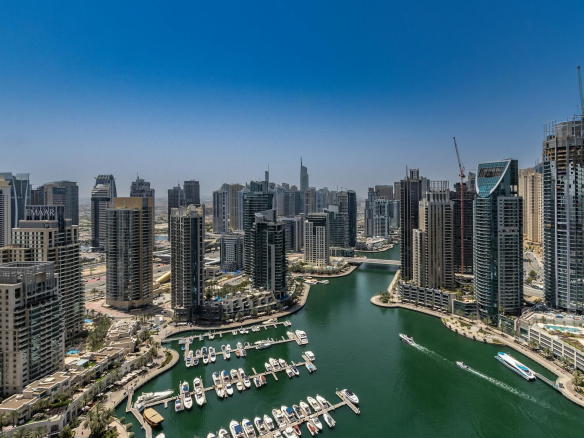
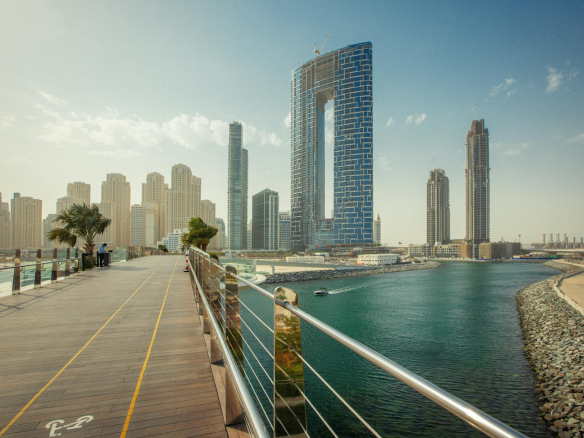
- Dubai – A global hub for tourism, trade, and fintech. The free‑hold market benefits from energy confidence that underpins government subsidies for infrastructure projects such as Dubai Creek Harbour.
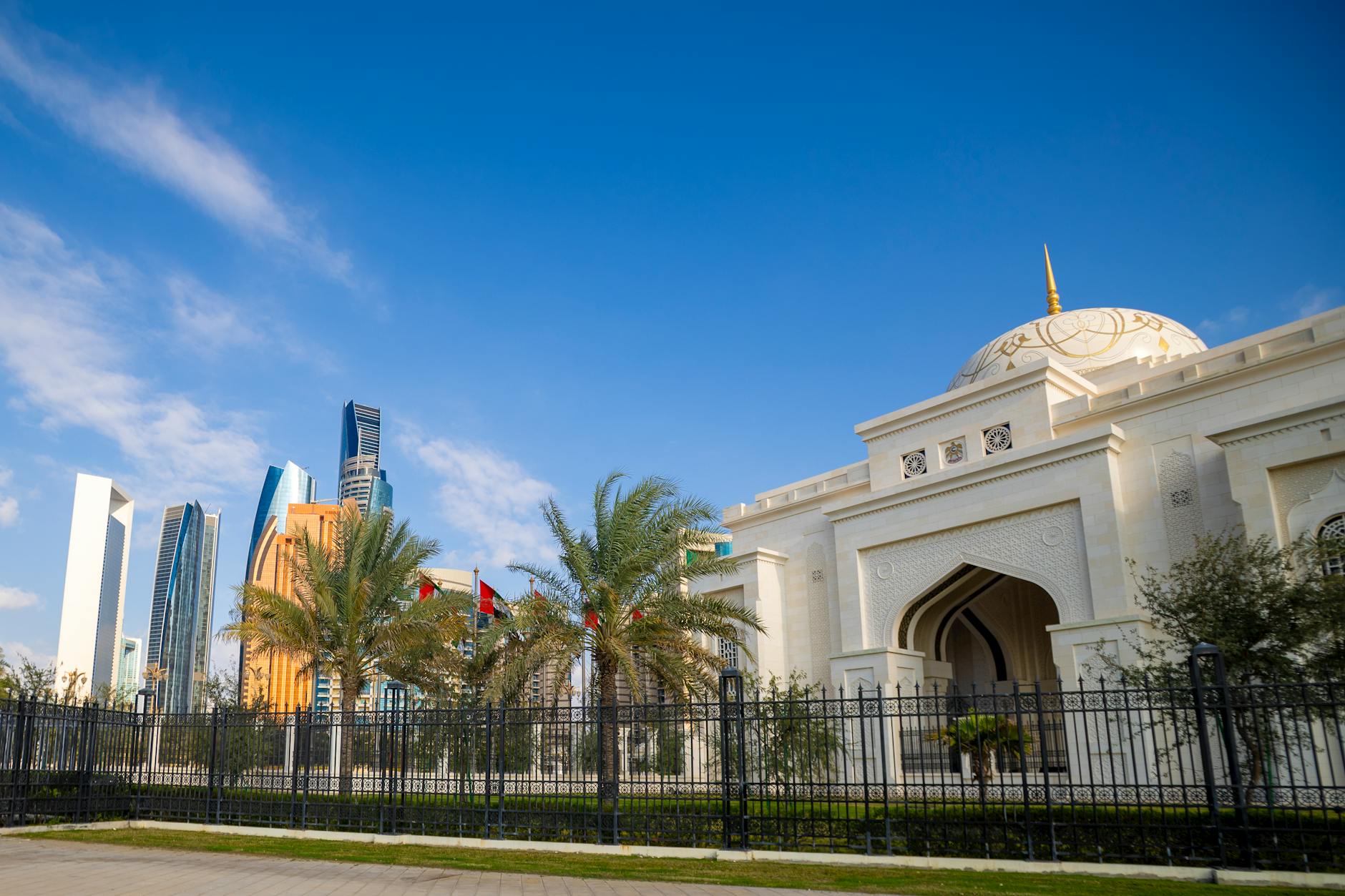
- Abu Dhabi – Leveraging sovereign wealth to fund large‑scale mixed‑use districts (Saadiyat, Masdar City). Sustainability aligns with the UAE’s energy narrative, driving demand for green‑certified assets.
- Sharjah & Other Emirates – Secondary markets see “spill‑over” demand as premium investors diversify beyond Dubai, with logistics parks near KIZAD attracting multinational manufacturers.
3. Investor Implications: Risks and Opportunities
3.1 Opportunities
- Strategic acquisitions in energy‑linked zones (e.g., solar farms near Al Dhafra) offering premium valuations and ESG appeal.
- Portfolio diversification through mixed‑use assets enabled by relaxed OPEC quota constraints.
- Long‑term value creation in sustainable developments such as Masdar City and Dubai’s Sustainable City.
- Capital‑efficient financing with lower spreads, longer amortisation, and higher LTV ratios from sovereign wealth‑backed lenders.
3.2 Risks
- Geopolitical tensions with Iran could affect logistics routes and insurance premiums.
- Transition uncertainty in global energy pricing may compress oil margins, impacting government revenue streams.
- Regulatory adaptation may trigger short‑term adjustments to trade agreements, FX controls, or profit repatriation.
- Market saturation in premium Dubai segments—necessitates rigorous occupancy risk analysis.
4. Portfolio Takeaways for Different Investor Types
| Investor Type | Strategic Focus | Preferred Asset Class | Suggested Action |
|---|---|---|---|
| Family Offices | Wealth preservation, ESG alignment | Green‑certified mixed‑use, logistics parks | Allocate 20‑30% to Abu Dhabi’s Masdar expansions and Dubai’s Sustainable City |
| International Buyers | Capital appreciation, diversification | Premium free‑hold residential, boutique hotels | Target off‑plan projects with developer guarantees in Dubai Creek Harbour |
| Entrepreneurs / Tech Start‑ups | Operational base, talent access | Co‑working hubs, tech parks | Consider stake‑holding in Dubai Internet City or Abu Dhabi’s Hub71 |
| Institutional Investors | Stable income, long‑term yields | Grade‑A office, industrial warehouses | Negotiate long‑term leases with sovereign‑linked tenants; leverage ADIA partnership programs |
5. Forward‑Looking Outlook: 2026‑2030
- Increased Investment in Renewable Energy Infrastructure – Solar and nuclear projects (e.g., Barakah expansion) will spur ancillary development of energy‑efficient office parks, data centres, and high‑tech residential complexes.
- Expansion of Free‑Trade Zones – Deeper incentives in DAFZ, ADGM, etc., will drive property demand as multinationals seek tax‑efficient bases.
- Rise of “Energy‑Secure” Real Estate – Assets with on‑site power generation (micro‑grids, battery storage) will command premiums, especially for logistics operators.
- Greater Integration of ESG Metrics – International capital will increasingly require ESG‑compliant assets, aligning with the UAE’s “responsible, reliable, forward‑looking” energy stance.
6. Frequently Asked Questions
Q1: Does the UAE’s exit from OPEC affect property taxes or fees?
A: The exit itself does not change property tax structures. The UAE maintains a zero‑property‑tax regime for most transactions; registration and service fees remain unchanged.
Q2: How will the shift impact rental yields in Dubai and Abu Dhabi?
A: Premium rentals are expected to stay stable or rise modestly, while mid‑market segments may see slight compression as supply expands. Overall net yields remain attractive (5‑7% typical).
Q3: Are there new regulations for foreign investors after the OPEC departure?
A: No immediate regulatory overhauls have been announced. Existing frameworks—such as 100% foreign ownership in designated free‑hold areas—remain in force.
Q4: Should I prioritize Dubai over Abu Dhabi for new acquisitions?
A: It depends on risk‑return preferences. Dubai offers higher liquidity and a broader tenant pool; Abu Dhabi provides sovereign‑fund‑backed projects and a stronger sustainability focus, potentially delivering superior long‑term appreciation.
Q5: How does geopolitical tension with Iran influence insurance costs for property?
A: Insurance premiums have risen modestly due to regional risk, but the UAE’s robust infrastructure keeps rates competitive. Engaging a specialist insurer with regional expertise is advisable.
Conclusion & Call to Action
Ready to translate the UAE’s energy advantage into a decisive real‑estate win?
Contact David Moya Real Estate today for a confidential strategic consultation. Our team of seasoned advisors works closely with investors, entrepreneurs, family offices, and international buyers to identify high‑impact opportunities across Dubai, Abu Dhabi, and the broader UAE market.
Phone: +971 4 555 1234
Email: info@davidmoyaestate.com
Let us help you build a resilient, forward‑looking property portfolio that leverages the UAE’s new energy trajectory. The market is shifting—ensure you are positioned at the forefront.
Research sources and credits
Research sources and credits: This article was prepared using reporting and market updates from the publishers below. Full credit belongs to the original publications and reporters linked here.
- UAE taking advantage of global energy needs by leaving OPEC – The Jerusalem Post
Credit: Web | Published: Tue, 28 Apr 2026 17:28:58 GMT
(photo credit: REUTERS) BySETH J. FRANTZMAN The United Arab Emirates said on April 28 that it will leave the Organization of the Petroleum Exporting Countries (OPEC). The decision will take effect on May 1. This is a momentous decision that could have wider implications. The UAE made the announcement via its state-run WAM news agency, Arab News in Saudi Arabia. “This decision reflects the UAE’s long-term strategic and economic vision and evolving energy profile, including accelerated investment in domestic energy production, and reinforces its commitment to a responsible, reliable, and forward-looking role in global energy markets,” the UAE noted. […] “The UAE affirms its appreciation for the efforts of both OPEC and the OPEC+ alliance, as the country’s presence in the organization has made significant contributions and even greater sacrifices for the benefit of all. However, it is now time to focus efforts on what the UAE’s national interest requires, its commitment to its investment and importing partners, and the needs of the market, and this is what it will focus on in the future,” Al-Ain noted. […] ### Iran lashes out at UAE The recent war with Iran by the US and Israel has shown that Iran lashed out by targeting the UAE more than the other states. “The UAE has invested to meet the changing demands efficiently and responsibly, giving priority to supply stability, cost, and sustainability,” Al-Ain notes. The UAE notes that they joined OPEC in 1967 via the Emirate of Abu Dhabi and formalized the relationship when the UAE was founded in 1971.
Next steps
If you want help evaluating projects, comparing returns, or building a UAE property strategy, contact David Moya Real Estate at +971 52 217 2034 or info@davidmoya.org.