


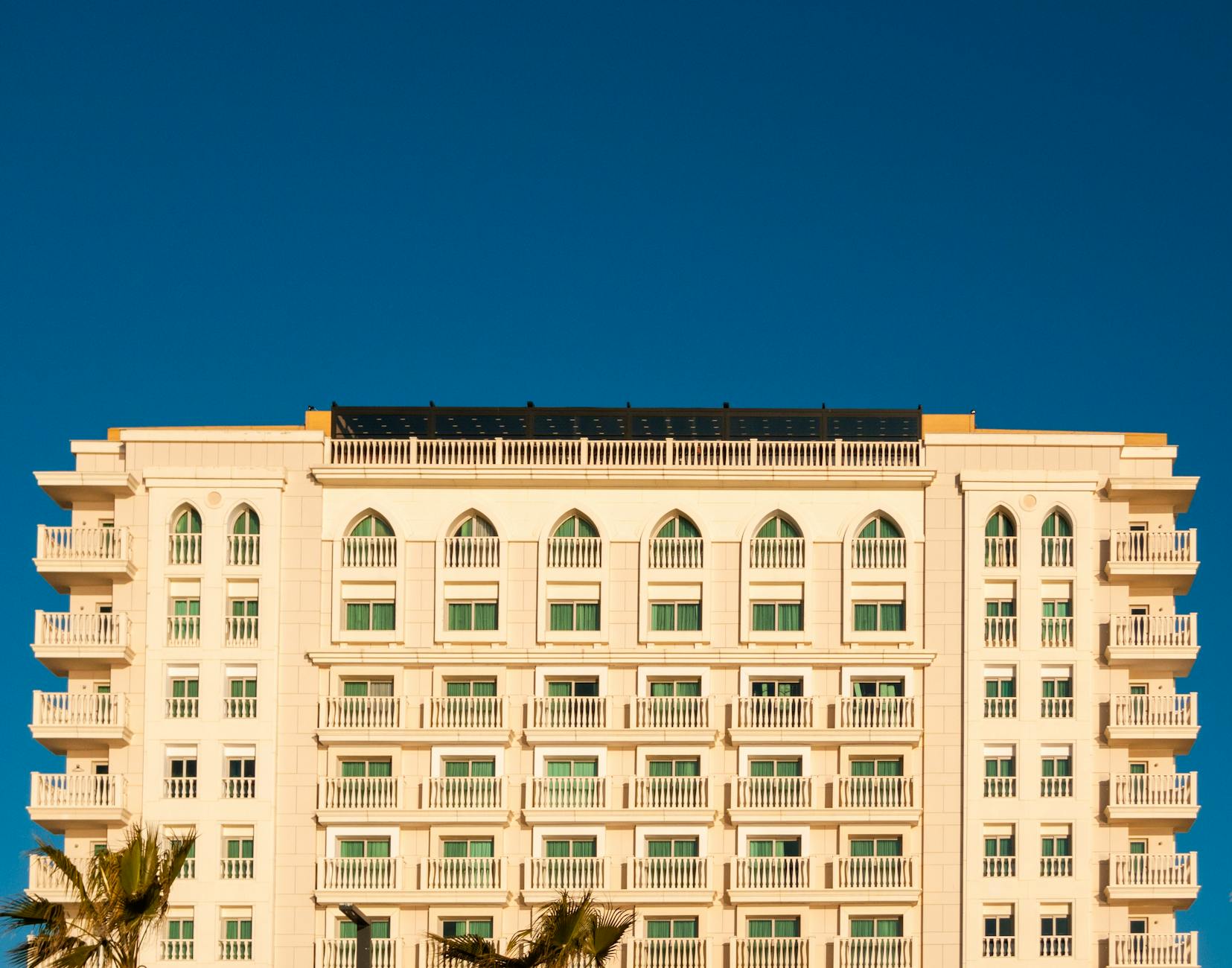
Saudi Arabia’s Hotel Boom Has a Catch: Rates Are Falling Fast – Skift
Estimated reading time: 6 minutes
Key Takeaways
- Licensed hotel inventory grew +34.2 % YoY in 2025, pushing average daily rates (ADR) down ‑11.7 %.
- Occupancy remained strong above 78 %, indicating robust demand despite price pressure.
- Luxury and boutique segments still show a 5‑7 % supply gap – a premium‑price opportunity.
- Saudi assets are currently priced cheaper than comparable UAE hotels, creating a value‑creation window.
- Asset‑light joint‑ventures and ESG‑focused builds are the preferred investment models.
Table of Contents
- Introduction
- 1. Macro Landscape: Why Saudi Hospitality Is Growing So Fast
- 2. The Rate Decline: Numbers, Causes, and Immediate Implications
- 3. Capital Flows and Buyer Sentiment
- 4. Supply‑Demand Dynamics: The Fine Balance
- 5. Comparative Lens: What This Means for UAE Investors
- 6. Investor Implications – Risks and Opportunities
- 7. Portfolio Takeaways – How to Build a Resilient GCC Hospitality Allocation
- 8. Forward‑Looking Outlook: 2026‑2030
- FAQ
- Conclusion & Call to Action
Introduction
The headline “Saudi Arabia’s Hotel Boom Has a” has been echoing through investment circles since the latest Skift report hit the market. While the Kingdom’s hospitality sector surged in 2025—with a staggering 34.2 % year‑over‑year increase in licensed facilities—the same data show average hotel room rates sliding 11.7 % between Q4 2024 and Q4 2025. For property investors, entrepreneurs, family offices, and international buyers who keep a close eye on the Gulf’s real‑estate pulse, this paradox presents both a red flag and a potential opportunity. At David Moya Real Estate we translate these macro trends into actionable strategies, helping you balance risk with rewarding long‑term value across the UAE and the wider Gulf region.
1. Macro Landscape: Why Saudi Hospitality Is Growing So Fast
1.1 Vision 2030 and the Tourism Pivot
Saudi Arabia’s ambition to lift tourism’s contribution from 5 % to 10 % of GDP by 2030 is the cornerstone of the current construction wave. The Vision 2030 plan earmarks $64 billion for tourism infrastructure, ranging from mega‑projects like NEOM and the Red Sea Development to cultural destinations such as Diriyah and Qiddiya.
1.2 Employment and Societal Shifts
The hospitality sector now employs over 1 million Saudis, with a notable surge in female participation—a key social metric the government is tracking closely. This expanding labor pool fuels operational capacity and signals a stable, domestically‑driven demand base that can cushion occupancy rates even when pricing pressure mounts.
1.3 International Visitor Growth
International arrivals rose by 27 % in 2025, propelled by relaxed visa policies, aggressive marketing campaigns, and new air links from Europe and Asia. The surge has helped keep occupancy high despite the weakening of average daily rates (ADR).
2. The Rate Decline: Numbers, Causes, and Immediate Implications
2.1 The Hard Data
- Licensed facilities: +34.2 % YoY in 2025 (Skift)
- Average room rate: –11.7 % between Q4 2024 and Q4 2025 (Skift)
- Occupancy: Remained above 78 % average across the year
2.2 Supply‑Driven Pressure
The most plausible driver of the ADR dip is the flood of new rooms. With a 34 % jump in licensed hotels, incremental inventory outpaced demand growth. Excess supply forced operators to compete on price, compressing yields.
2.3 Competitive Segmentation
Mid‑scale and budget properties have been the primary beneficiaries of the new supply, catering to the rising middle‑class traveler and pilgrimage tourists. Luxury assets, still scarce relative to total stock, have maintained stronger ADRs, though they are feeling a “price‑race” effect as upscale brands launch aggressive promotions.
2.4 Investor Takeaway
Falling ADR does not automatically equal a failing market. It signals a value‑creation window for assets that can be acquired at lower multiples, re‑positioned, or integrated into a diversified hospitality portfolio.
3. Capital Flows and Buyer Sentiment
3.1 Institutional Appetite
Saudi sovereign wealth funds, backed by the Public Investment Fund (PIF), continue to pour capital into hospitality, but focus has shifted toward asset‑light models and joint ventures with global operators. This mirrors the broader Gulf trend toward brand partnerships, risk sharing, and management contracts rather than outright ownership.
3.2 Private Equity & Family Office Interest
Family offices across the GCC and Europe view Saudi’s tourism push as a long‑term growth story. The current ADR dip creates acquisition entry points that can deliver attractive internal rates of return (IRR) once the market stabilizes.
3.3 International Buyer Sentiment
Foreign investors—particularly from China, the UK, and the United States—are increasingly comfortable with the regulatory environment, thanks to streamlined foreign‑investment legislation introduced in 2023. Many remain cautious, awaiting clearer data on post‑2025 demand sustainability.
4. Supply‑Demand Dynamics: The Fine Balance
4.1 Forecasted Demand Through 2030
- Projected annual arrivals: 30 million by 2030 (Vision 2030 target)
- Hotel room nights needed: ~65 million, up from ~48 million in 2025
4.2 Expected New Supply
- Planned rooms by 2030: Additional 150,000 rooms across 120 new hotels (General Authority for Statistics)
4.3 Gap Analysis
Even with the aggressive pipeline, a supply gap of roughly 5–7 % is likely to persist in luxury and boutique segments, where demand elasticity is lower and price compression less severe. This creates a niche for high‑end, experience‑focused properties that can command premium rates.
5. Comparative Lens: What This Means for UAE Investors
5.1 Dubai’s Hotel Market – A Benchmark
Dubai posted a modest ADR increase of 2.3 % in 2025, supported by a tighter supply‑demand balance and strong conventions business. RevPAR grew 5 % YoY, contrasting with Saudi’s ADR decline.
5.2 Portfolio Diversification Benefits
For UAE‑based investors, allocating capital to Saudi hotels offers geographic diversification without abandoning a familiar regulatory environment. Saudi assets are cheaper on a price‑per‑room basis, while Dubai assets carry higher valuation multiples but more stable pricing power.
5.3 Cross‑Border Synergies
- Brand Leverage: Operators with a Dubai presence can extend management contracts into Saudi, leveraging brand equity.
- Talent Pool: Growing Saudi hospitality workforce can draw from UAE training programs, fostering a shared talent pipeline.
6. Investor Implications – Risks and Opportunities
6.1 Key Risks
| Risk | Description | Mitigation |
|---|---|---|
| Oversupply | Continued rapid licensing could further depress ADR. | Target high‑demand zones (Riyadh, Jeddah, NEOM) and focus on under‑served luxury niche. |
| Regulatory Shifts | Potential changes to foreign‑ownership rules. | Use joint‑venture structures and retain local partners. |
| Demand Volatility | Pilgrimage traffic can be affected by geopolitical factors. | Diversify across leisure, business, and MICE segments. |
| Currency Exposure | SAR pegged to USD, but macro shocks could affect returns. | Hedge FX exposure or diversify into USD‑denominated revenue streams. |
6.2 Strategic Opportunities
- Value‑Add Acquisitions – Target under‑performing mid‑scale hotels for re‑branding.
- Asset‑Light Partnerships – Secure management contracts with global brands.
- Mixed‑Use Developments – Combine hotel components with residential, retail, or entertainment.
- Sustainability & ESG – Early adopters can command higher rates and attract ESG‑focused capital.
- Talent Development – Invest in training Saudi nationals, especially women, to create a differentiated service proposition.
7. Portfolio Takeaways – How to Build a Resilient GCC Hospitality Allocation
- Blend Market Stages – Combine mature Dubai assets with growth‑phase Saudi properties.
- Prioritize Yield Over Price – Lower purchase prices can translate to higher long‑term yields once ADR normalizes.
- Leverage Local Partnerships – Align with Saudi developers who understand licensing and incentives.
- Monitor Policy Milestones – Track Vision 2030 deliverables, tourism‑visa rollout, and female‑workforce expansion.
- Integrate Data Analytics – Use real‑time occupancy and pricing dashboards to adjust rates dynamically.
8. Forward‑Looking Outlook: 2026‑2030
- ADR Trajectory: Anticipated rebound of 3‑5 % annually from the 2025 low, driven by absorption of new supply and a shift toward luxury segments.
- Occupancy Stability: Expected to hover between 78 %‑82 % across the Kingdom.
- Investment Flow: Private equity projected to commit an additional $12 billion to Saudi hospitality by 2028, focusing on strategic joint ventures.
- UAE Comparative Edge: Dubai will likely maintain premium pricing, but Saudi’s growth potential justifies a 20‑30 % allocation within a Gulf hospitality portfolio.
FAQ
Q1. Why are hotel room rates falling despite higher occupancy?
The rapid rise in licensed rooms (34.2 % YoY in 2025) has outpaced demand growth. Excess inventory forces operators to lower rates to maintain occupancy.
Q2. Is the Saudi hotel market still a good investment?
Yes, when the strategy focuses on lower‑price entry points, under‑served luxury niches, or asset‑light models, risk‑adjusted returns can be attractive.
Q3. How does this impact UAE investors specifically?
It offers a diversification play. Saudi assets are currently cheaper than comparable UAE hotels, providing entry points for investors seeking growth and portfolio balance.
Q4. What regulatory hurdles exist for foreign investors?
Post‑2023 reforms have simplified foreign ownership, but a local partner or joint‑venture arrangement remains advisable to navigate licensing and to benefit from incentives.
Q5. Will the rate decline continue?
Forecasts anticipate a gradual ADR recovery of 3‑5 % per year as the market absorbs new supply and luxury demand strengthens.
Conclusion & Call to Action
Saudi Arabia’s hospitality boom is a textbook case of growth paired with price compression. The 34.2 % surge in licensed facilities delivers impressive occupancy, yet an 11.7 % dip in average room rates warns that supply is outpacing demand in certain segments. For seasoned investors, entrepreneurs, family offices, and international buyers, the current environment presents a strategic entry point—provided you align with the right asset class, partnership structure, and operational model.
Ready to turn insight into action?
David Moya Real Estate specializes in strategic acquisitions, portfolio optimization, and cross‑border opportunities that align with your long‑term value objectives. Call us today at +971 4 555 1234 or email invest@davidmoya.com to discuss how you can capitalize on Saudi Arabia’s hotel boom while protecting your capital against rate volatility.
Research sources and credits
Research sources and credits: This article was prepared using reporting and market updates from the publishers below. Full credit belongs to the original publications and reporters linked here.
- Saudi Arabia’s Hotel Boom Has a Catch: Rates Are Falling Fast – Skift
Credit: Web | Published: Wed, 15 Apr 2026 11:09:14 GMT
Already a subscriber? Login ## Key Points Saudi Arabia’s hospitality sector grew rapidly in 2025, with a 34.2% year-over-year increase in licensed facilities. Despite increasing occupancy and visitor numbers, average hotel room rates dropped by 11.7% between Q4 2024 and Q4 2025. Tourism accounts for 5% of Saudi GDP, employs over 1 million people, and aims to reach 10% of GDP by 2030 with increased local and female workforce participation. ## Summary […] ## First read is on us. Subscribe today to keep up with the latest travel industry news. Subscribe Already a subscriber? Login ## Get unlimited access with Skift Pro. Subscribe now for complete access to Skift.com’s trusted coverage of the travel industry. Subscribe Already a subscriber? Login ## Unlock your next read Enter your email for a complimentary article + exclusive offers. Already a subscriber? Login Hotels # Saudi Arabia’s Hotel Boom Has a Catch: Rates Are Falling Fast Deepthi Nair ## Skift Take Saudi Arabia is building its tourism industry at remarkable speed, but room rates are falling, according to new statistics. Summarize Story ## Share Select a question above or ask something else […] ## Share Select a question above or ask something else New data from Saudi Arabia’s General Authority for Statistics shows the Kingdom’s hospitality sector expanded rapidly in 2025 — and room rates dropped sharply over the same period. Whether the supply growth is driving the rate decline is not stated in the data, but the two trends are happening simultaneously. How fast is Saudi Arabia’s hotel sector growing? Fast. ## Get unlimited access with Skift Pro. Subscribe now for complete access to Skift.com’s trusted coverage of the travel industry. CONTINUE CONTINUE Already a subscriber? Login ## Unlock your next read Enter your email for a complimentary article + exclusive offers. Register Subscribe Already a subscriber? Login ## Key Points
Next steps
If you want help evaluating projects, comparing returns, or building a UAE property strategy, contact David Moya Real Estate at +971 52 217 2034 or info@davidmoya.org.


