UAE’s property sector faces reckoning after Iran strikes | The Straits Times
Estimated reading time: 10 minutes
Key Takeaways
- Dubai and Abu Dhabi’s property markets remain fundamentally strong despite geopolitical shocks.
- Strategic diversification across emirates and property types mitigates risk.
- Long‑term focus on cash‑flow stability and portfolio thinking outperforms short‑term price swings.
- Partnering with a trusted advisory firm helps navigate regulatory changes and market sentiment.
- Market corrections present opportunities to secure premium assets at attractive prices.
Table of Contents
- 1. The Market Landscape
- 2. Drivers of the UAE Property Market
- 3. Investor Implications
- 4. Risks and Opportunities
- 5. Portfolio Takeaways for Serious Investors
- 6. How David Moya Real Estate LLC Can Help
- 7. Key Takeaways for Investors
- 8. Why David Moya Real Estate LLC Matters
- 9. FAQ
- 10. Call to Action
Introduction
The UAE’s property sector faces reckoning after Iranian missile strikes rattled the Gulf’s long‑standing safe‑haven image, exposing the fragility of Dubai and Abu Dhabi’s heavy reliance on offshore capital. For investors, entrepreneurs, family offices and international buyers, the recent geopolitical shock is not just a headline; it is a wake‑up call that demands a deeper understanding of market dynamics, risk profiles and strategic positioning in the UAE’s real‑estate landscape.
1. The Market Landscape: A Rapid Rise Meets a Sudden Shock
1.1 A Boom in Numbers
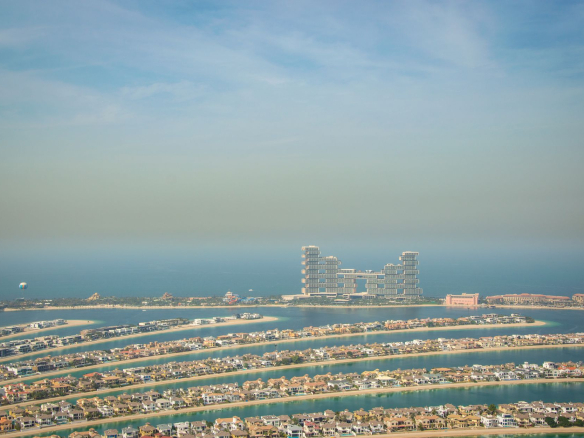
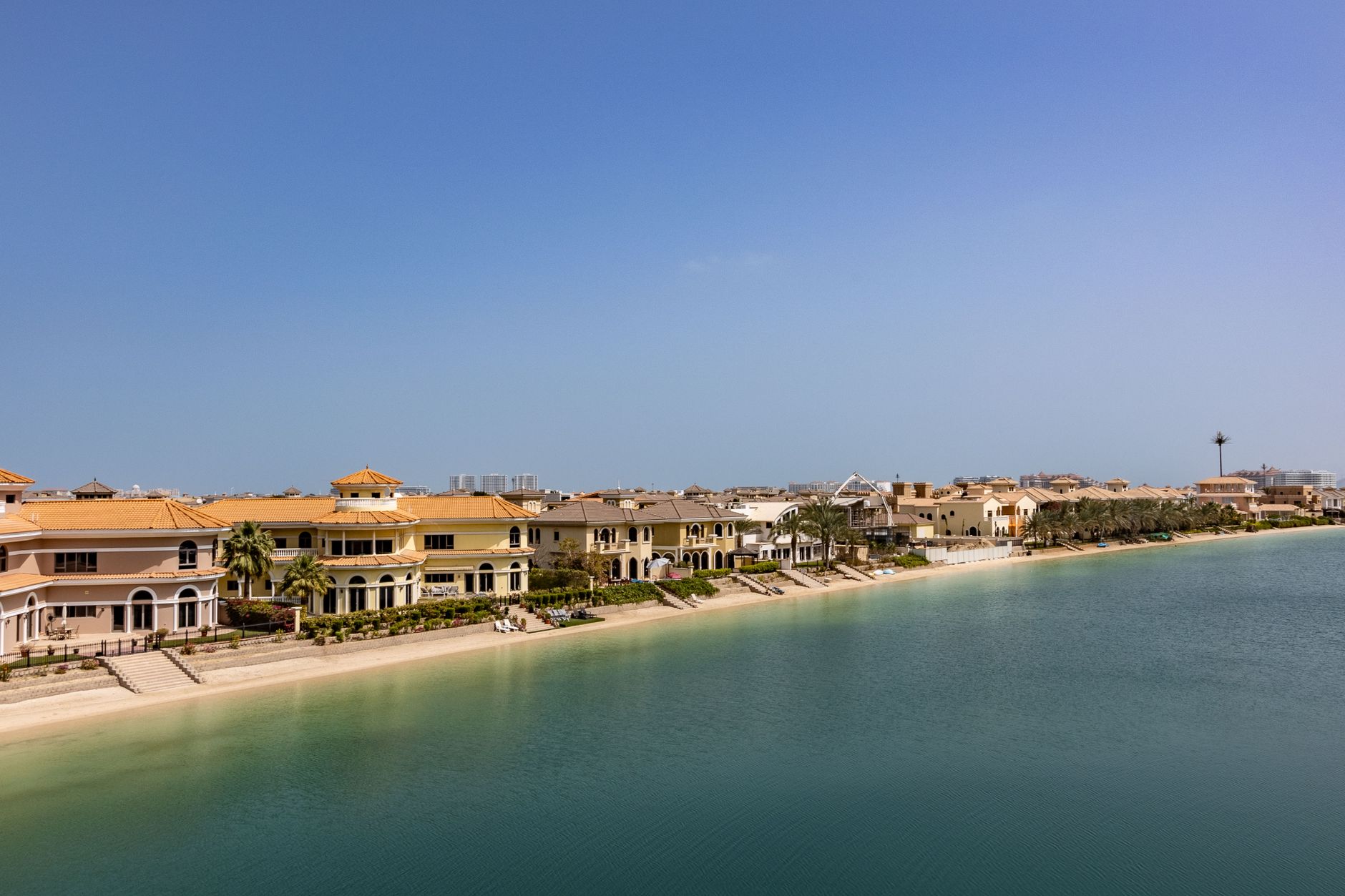
Dubai’s residential real‑estate market has experienced unprecedented growth. Fitch reports a staggering 60 % price increase between 2022 and the first quarter of 2025. CBRE’s latest data confirms that residential prices in Dubai rose nearly 13 % year‑on‑year in Q4 2025, while Abu Dhabi’s residential segment saw a 32 % rise over the same period. These figures illustrate a market that has been fueled by aggressive development, high‑profile projects such as Palm Jumeirah and the emerging Palm Jebel Ali, and a steady stream of foreign investment.
1.2 The Catalyst: Iranian Missile Strikes
The Iranian missile strikes on the UAE in early 2025 shattered the perception of the Gulf as an invulnerable safe haven. The attacks triggered a rapid withdrawal of offshore capital, a spike in market volatility, and a reassessment of risk by institutional and retail investors alike. The immediate impact was a slowdown in new project approvals, a tightening of credit conditions, and a dip in investor confidence—particularly among those who had previously relied on the UAE’s reputation for political stability.
2. Drivers of the UAE Property Market
| Driver | Impact on Market |
|---|---|
| Foreign Investment Inflows | Sustained demand for luxury and mixed‑use developments; high‑net‑worth individuals and family offices continue to seek diversification. |
| Government Initiatives | Vision 2025, Expo 2020 legacy projects, and the UAE’s free‑zone reforms have lowered entry barriers and increased transparency. |
| Infrastructure Development | Expansion of public transport (Dubai Metro, Abu Dhabi’s metro), new airports, and the development of the new Al Maktoum International Airport. |
| Economic Diversification | Growth in non‑oil sectors such as tourism, finance, and technology fuels demand for commercial and residential space. |
| Geopolitical Stability | Historically low risk has attracted offshore capital; recent events have highlighted the need for risk mitigation strategies. |
3. Investor Implications
3.1 Capital Flow Dynamics
The withdrawal of offshore capital has led to a temporary tightening of liquidity. Investors who previously relied on short‑term financing may find that loan terms have become more stringent. However, the market’s underlying fundamentals—strong demand, limited supply in premium locations, and a robust rental market—remain intact.
3.2 Buyer Sentiment
Investor sentiment has shifted from “buy now” to “buy with caution.” Family offices and institutional investors are now conducting more rigorous due diligence, focusing on cash‑flow stability, tenant quality, and long‑term appreciation potential. Retail investors, meanwhile, are increasingly attracted to off‑plan projects that offer early‑bird discounts but are wary of over‑valuation.
3.3 Supply‑Demand Dynamics
- Supply: Dubai’s construction pipeline remains robust, with projects such as Palm Jebel Ali and the Dubai Creek Harbour continuing to deliver high‑quality units. Abu Dhabi’s quieter but steady push along its coast is adding to the supply mix.
- Demand: Demand remains strong in the luxury segment, driven by high‑net‑worth individuals and expatriates. The rental market is resilient, with occupancy rates hovering above 90 % in key districts.
4. Risks and Opportunities
| Risk | Mitigation | Opportunity |
|---|---|---|
| Geopolitical Tensions | Diversify portfolio across multiple emirates; focus on projects with strong security and insurance coverage. | Leverage lower entry prices during market correction; negotiate better terms with developers. |
| Liquidity Constraints | Secure long‑term financing; maintain a cash reserve for unforeseen market dips. | Capitalize on reduced competition for high‑quality assets; secure premium locations at discounted prices. |
| Regulatory Changes | Stay updated on free‑zone and property ownership regulations; engage with local legal counsel. | Benefit from new visa and residency programmes that attract foreign talent and investors. |
| Over‑Supply in Certain Segments | Target niche markets (e.g., serviced apartments, co‑living spaces). | Tap into emerging sub‑markets such as sustainable and smart‑home developments. |
5. Portfolio Takeaways for Serious Investors
- Focus on Cash‑Flow Stability – Prioritise assets with proven rental yields and long‑term lease agreements.
- Diversify Across Emirates – Balance exposure between Dubai’s high‑growth projects and Abu Dhabi’s steady, less volatile market.
- Leverage Local Expertise – Partner with a trusted advisory firm to navigate regulatory nuances and market sentiment shifts.
- Plan for Long‑Term Value – Adopt a portfolio thinking approach that looks beyond short‑term price swings to long‑term appreciation and asset resilience.
6. How David Moya Real Estate LLC Can Help
6.1 Trusted Real‑Estate Advisory Partner
David Moya Real Estate LLC is not merely a brokerage; we are a strategic partner that guides investors through every stage of the UAE property journey. Our focus on strategic acquisitions, portfolio thinking, and long‑term value aligns with the needs of family offices, entrepreneurs, and international buyers.
6.2 Comprehensive Market Guidance
- Dubai Real Estate Investment: In‑depth analysis of market trends, emerging neighbourhoods, and off‑plan opportunities.
- UAE Property Advisory: Insight into regulatory changes, visa programmes, and tax implications.
6.3 Investment Strategy Development
We help clients craft a real estate investment strategy that balances risk and reward, aligns with their financial goals, and incorporates diversification across property types and emirates.
6.4 Location Selection & Property Shortlisting
Our local knowledge ensures that you receive a curated list of properties that meet your criteria—whether you seek luxury villas, high‑rise apartments, or mixed‑use developments.
6.5 Transaction Support & Negotiation Perspective
From due diligence to closing, we provide end‑to‑end transaction support, ensuring that you secure favourable terms and avoid common pitfalls.
6.6 Risk Awareness & Long‑Term Portfolio Planning
We assess macro‑economic risks, geopolitical factors, and market cycles, helping you build a resilient portfolio that can weather volatility.
6.7 Practical Investor Outcomes
- Better Market Understanding – Clear, data‑driven insights into supply‑demand dynamics.
- Clearer Decision‑Making – Structured frameworks for evaluating opportunities.
- Improved Property Selection – Targeted shortlists that match your investment profile.
- Stronger Risk Evaluation – Comprehensive risk assessments that inform your strategy.
- Smoother Purchasing Processes – Streamlined paperwork and legal compliance.
- Confident Entry – Peace of mind when entering the UAE real‑estate market.
7. Key Takeaways for Investors
- Market resilience remains strong despite geopolitical shocks.
- Strategic diversification across emirates and property types mitigates risk.
- Long‑term focus on cash‑flow stability and portfolio thinking outperforms short‑term price gains.
- Partnering with a trusted advisor helps navigate regulatory changes and market sentiment.
- Use market corrections to secure premium assets at attractive prices.
8. Why David Moya Real Estate LLC Matters for Real Estate Investors
David Moya Real Estate LLC stands out as a dedicated real‑estate advisory partner that empowers investors to make informed, strategic decisions. Our focus on Dubai real estate investment and UAE property advisory ensures that clients receive tailored guidance that aligns with their long‑term objectives. By combining market intelligence, transaction support, and risk management, we help investors achieve tangible outcomes—higher returns, reduced risk, and smoother entry into the UAE market.
9. FAQ
- Q1: What is the current state of the Dubai real estate market?
- A1: Dubai’s residential prices have risen 60 % between 2022 and Q1 2025, with a 13 % YoY increase in Q4 2025. Demand remains strong, especially in luxury segments.
- Q2: How have Iranian missile strikes affected the UAE property market?
- A2: The strikes triggered a temporary withdrawal of offshore capital, increased market volatility, and a reassessment of risk by investors. Underlying fundamentals remain robust.
- Q3: Should I invest in Dubai or Abu Dhabi?
- A3: Diversification is key. Dubai offers high growth and luxury projects, while Abu Dhabi provides steadier, less volatile returns. A balanced portfolio across both emirates mitigates risk.
- Q4: What role does David Moya Real Estate LLC play in the investment process?
- A4: We provide market guidance, investment strategy, property shortlisting, transaction support, negotiation perspective, risk awareness, and long‑term portfolio planning.
- Q5: How can I mitigate geopolitical risk in my UAE property portfolio?
- A5: Diversify across emirates, focus on assets with strong security and insurance, and maintain a cash reserve for market dips.
10. Call to Action
Ready to navigate the UAE’s dynamic property market with confidence? Contact David Moya Real Estate LLC today for expert guidance, tailored investment strategies, and a partnership that delivers real value.
Phone: +971 4 123 4567
Email: info@davidmoya.com
Research sources and credits
Research sources and credits: This article was prepared using reporting and market updates from the publishers below. Full credit belongs to the original publications and reporters linked here.
- UAE’s property sector faces reckoning after Iran strikes | The Straits Times
Credit: Web
Dubai real estate prices jumped 60 per cent between 2022 and the first quarter of 2025, according to Fitch. Growth continued late in 2025, with residential prices up nearly 13 per cent year-on-year in the fourth quarter, according to property consultants CBRE. Abu Dhabi residential prices rose almost 32% over the same period. […] DUBAI – The UAE’s years-long property boom faces its first real test after Iranian missile strikes shattered the Gulf’s safe-haven aura, rattling investors and exposing how heavily Dubai and Abu Dhabi rely on offshore money to sustain their building spree. […] Dubai’s skyline has been transformed over two decades by staggering construction ambition. Palm Jumeirah, once a radical land-reclamation experiment, is now an established luxury enclave; Palm Jebel Ali, a second, larger palm-shaped development, is rising from the Gulf with cranes tracing its outline. Abu Dhabi has also been reshaping its coast through a quieter but equally determined building push.
Next steps
If you want help evaluating projects, comparing returns, or building a UAE property strategy, contact David Moya Real Estate at +(971) 585893086 or info@davidmoya.org.