UAE’s property sector faces reckoning after Iran strikes
Estimated reading time: 4 minutes
Key Takeaways
- Iranian missile strikes in early March 2026 shattered the UAE’s “safe‑haven” perception, prompting a swift market correction.
- Flagship developers Aldar and Emaar saw share prices dip ~5% and bond yields spike, signalling tighter credit conditions.
- Approximately 30% of UAE real‑estate financing relies on offshore capital; any risk‑off shift can raise LTV ratios and cost of capital.
- A disciplined advisory approach can mitigate risk and uncover opportunities in the current volatility.
Table of Contents
Introduction
The shockwaves from recent Iranian missile strikes have delivered a clear warning to every market participant: the UAE’s once‑unassailable property sector is now facing a reckoning. Investors, entrepreneurs, family offices and international buyers who have relied on deep offshore capital flows and an apparently inexhaustible construction pipeline must reassess risk, capital allocation and long‑term value creation. In this premium market commentary, David Moya Real Estate LLC dissects the drivers behind the slowdown, evaluates portfolio implications, and outlines how a disciplined advisory approach can turn uncertainty into opportunity.
1. What triggered the current market stress?
1.1 Geopolitical shock and investor sentiment
From March 3‑5 2026, a coordinated series of Iranian missile strikes hit critical Gulf infrastructure, shattering the perception that the United Arab Emirates is insulated from regional conflict. The attacks punctured the narrative of Dubai and Abu Dhabi as safe‑haven havens for offshore wealth, prompting sovereign wealth funds, high‑net‑worth individuals and institutional investors to reassess exposure.
1.2 Immediate market reaction
Within hours, the share prices of the emirate’s two flagship developers—Aldar Properties (ALDAR.AD) and Emaar Properties (EMAR.DU)—declined roughly 5%, while yields on their senior bonds spiked, reflecting heightened credit concerns. The bond‑market compression was the most visible signal of a broader pull‑back in the capital that fuels the UAE’s construction boom.
1.3 Structural reliance on offshore money
Even before the missile incident, the UAE’s residential and commercial cycles were heavily dependent on foreign direct investment (FDI) and portfolio inflows. As Reuters noted, “the Gulf’s safe‑haven aura” has been a cornerstone of the property sector’s expansion, a factor now vulnerable to geopolitical volatility. This creates a two‑step risk profile: first, sentiment‑driven capital flight; second, a potential slowdown in the pipeline of projects that depend on external financing.
2. Core market drivers under the microscope
2.1 Capital flows and financing conditions
- Offshore liquidity: Roughly 30 % of UAE real‑estate financing originates from overseas banks and sovereign wealth funds. A shift in risk appetite can instantly tighten terms, raise loan‑to‑value (LTV) ratios, and increase developers’ cost of capital.
- Bond market stress: The recent yield spikes on Aldar and Emaar senior notes illustrate how quickly credit spreads can widen, signaling a broader tightening of financing conditions.
2.2 Supply‑side constraints
- Construction material costs remain elevated due to lingering supply‑chain disruptions from the wider Middle‑East conflict.
- Labor availability is tightening as expatriate work permits are reviewed amid heightened security protocols.
2.3 Demand‑side recalibration
- High‑net‑worth individuals are reevaluating secondary‑market purchases, favoring assets with proven cash‑flow stability.
- Family offices are shifting focus toward diversified geographic exposure, reducing over‑concentration in Gulf assets.
Together, these factors create a more volatile environment, but also surface niche opportunities for investors who can navigate the new risk terrain with discipline and insight.
FAQ
- Will the UAE regain its “safe‑haven” status?
- The perception is likely to recover over the medium term, but it will depend on regional stability and the ability of offshore investors to see consistent policy support and transparent financing.
- How should developers adjust their financing strategy?
- Diversify funding sources, increase on‑shore equity buffers, and lock in longer‑term foreign‑currency loans while monitoring LTV ratios closely.
- What asset classes present the best short‑term opportunities?
- Well‑located mixed‑use projects with strong pre‑sale pipelines, and existing income‑generating assets that can offer immediate cash flow.
Get Expert Advice
Contact David Moya Real Estate LLC today to discuss how a disciplined advisory approach can safeguard your portfolio and unlock value in today’s uncertain market.
Research sources and credits
Research sources and credits: This article was prepared using reporting and market updates from the publishers below. Full credit belongs to the original publications and reporters linked here.
- UAE’s property sector faces reckoning after Iran strikes
Credit: Web
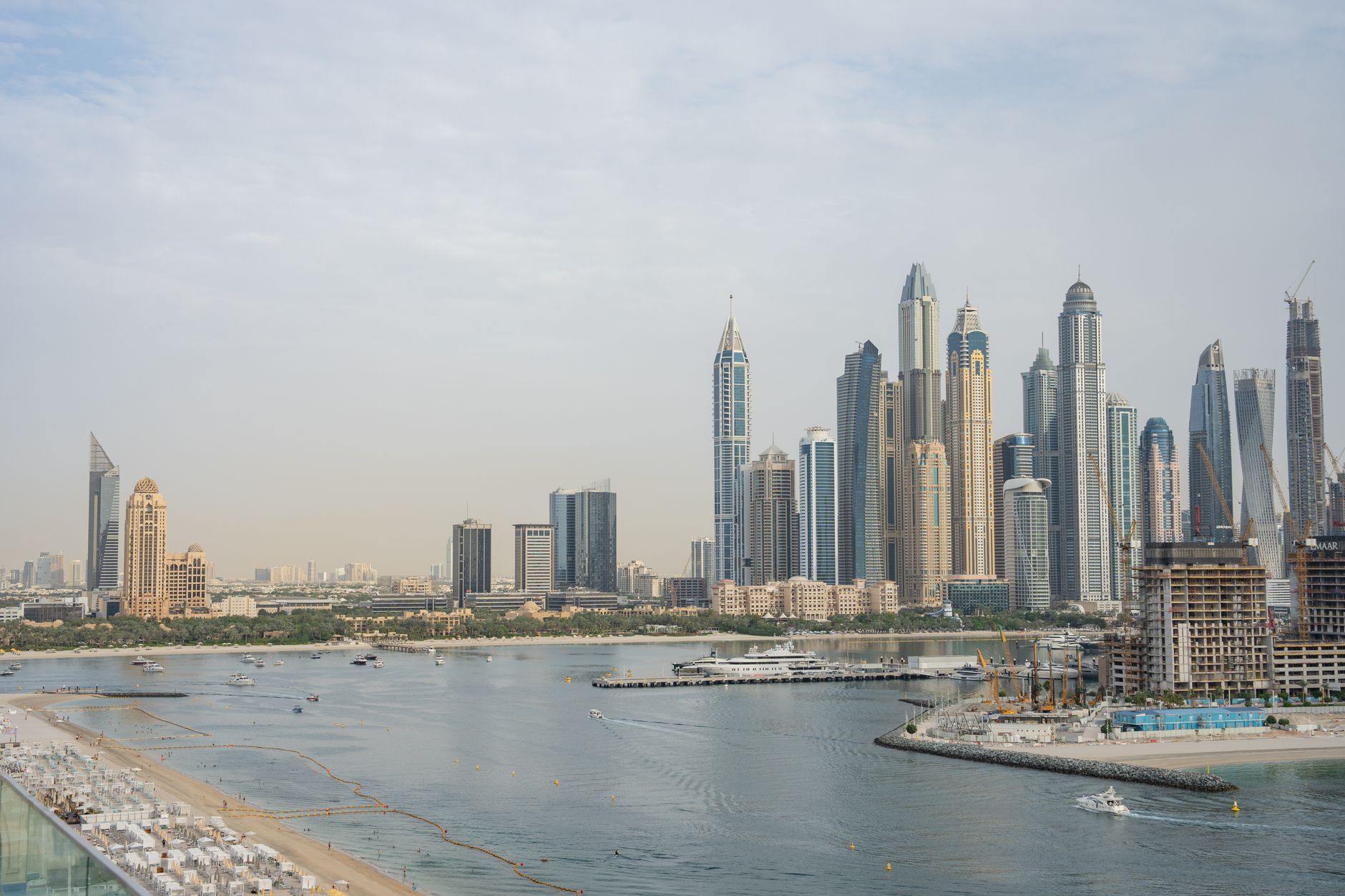
Exclusive news, data and analytics for financial market professionals Learn more about Refinitiv. ## Browse World. ## Browse Business. Image 1: A general view of the Dubai Marina, amid the U.S.-Israeli conflict with Iran, in Dubai. A general view of the Dubai Marina, amid the U.S.-Israeli conflict with Iran, in Dubai, United Arab Emirates, March 3, 2026. DUBAI, March 5 (Reuters) – The UAE’s years-long property boom faces its first real test after Iranian missile strikes shattered the Gulf’s safe-haven aura, rattling investors and exposing how heavily Dubai and Abu Dhabi rely on offshore money to sustain their building spree. The Reuters Iran Briefing newsletter keeps you informed with the latest developments and analysis of the Iran war. Aldar Properties (ALDAR.AD), opens new tab, Abu Dhabi’s largest listed developer, and Emaar Properties (EMAR.DU), opens new tab, the force behind downtown Dubai and the Burj Khalifa, both fell 5%, while bond prices of major developers dropped sharply. * About Reuters, opens new tab.
Next steps
If you want help evaluating projects, comparing returns, or building a UAE property strategy, contact David Moya Real Estate at +(971) 585893086 or info@davidmoya.org.