UAE property market surges in Q1 with Dubai and Abu Dhabi leading
Estimated reading time: 7 minutes
Key Takeaways
- The UAE market posted record Q1 transaction values (Dh66 bn in Abu Dhabi, Dh18.5 bn in Sharjah).
- Dubai leads in free‑hold luxury and office activity; Abu Dhabi excels in premium villas and ESG‑focused projects.
- Sharjah and Ajman offer emerging mid‑range residential and logistics opportunities.
- Capital inflows, visa reforms, low financing costs and macro‑economic stability are the main drivers.
- Risks include luxury oversupply, interest‑rate sensitivity and potential regulatory changes.
- Partnering with a specialist advisory such as David Moya Real Estate LLC turns data into actionable portfolio strategies.
Table of Contents
- Introduction
- 1. Market Overview – What the Numbers Reveal
- 2. Core Drivers of the Q1 Surge
- 3. Emirate‑Specific Insights
- 4. Investor Implications – Turning Data into Strategy
- 5. Risks to Monitor
- 6. Opportunities on the Horizon
- 7. How David Moya Real Estate LLC Amplifies Investor Success
- 8. Key Takeaways for Investors
- 9. Frequently Asked Questions
- 10. Next Steps – Position Your Portfolio for the UAE Upswing
Introduction
The UAE property market surged in the first quarter of 2026, delivering a robust start that is reshaping investment theses across the Gulf. Transaction volumes and values rose sharply in every major emirate, with Dubai and Abu Dhabi posting the most pronounced gains. For investors, entrepreneurs, family offices and international buyers, the data signal a rare alignment of strong buyer sentiment, expanding capital flows and a supply‑demand balance that favours strategic acquisition.
1. Market Overview – What the Numbers Reveal
- Dubai: Engine of UAE real‑estate activity; transaction volumes rose across every asset class.
- Abu Dhabi: Q1 transactions jumped to Dh66 billion, more than double the Dh25.31 billion a year earlier – the strongest quarterly performance on record.
- Sharjah: Trading volume reached Dh18.5 billion, up from Dh13.2 billion (40.7 % increase).
- Ajman: Higher deal activity confirms a broad‑based upswing beyond the two largest emirates.
2. Core Drivers of the Q1 Surge
| Driver | How It Impacts the Market | Evidence from Q1 |
|---|---|---|
| Capital Inflows | Lift liquidity from GCC investors, Asian sovereign wealth funds and European family offices. | Record‑high transaction values in Abu Dhabi (Dh66 bn) and Sharjah (Dh18.5 bn). |
| Buyer Sentiment | Bolstered by political stability, tax‑friendly regime and visa reforms. | Broad‑based increase in deal volumes across all emirates. |
| Supply‑Demand Dynamics | New deliveries align with demand, especially mid‑range residential and logistics. | Dubai’s pipeline of free‑hold towers and Abu Dhabi’s land releases. |
| Regulatory & Incentive Framework | 10‑year visa schemes, 100 % foreign ownership zones and reduced fees lower entry barriers. | Growing participation of international buyers in Q1. |
| Macro‑Economic Stability | Diversification away from oil, tourism recovery and resilient banking support financing. | Consistent LTV ratios and low mortgage rates throughout the quarter. |
3. Emirate‑Specific Insights
Dubai – Global Hub of Luxury and Free‑Hold Investment
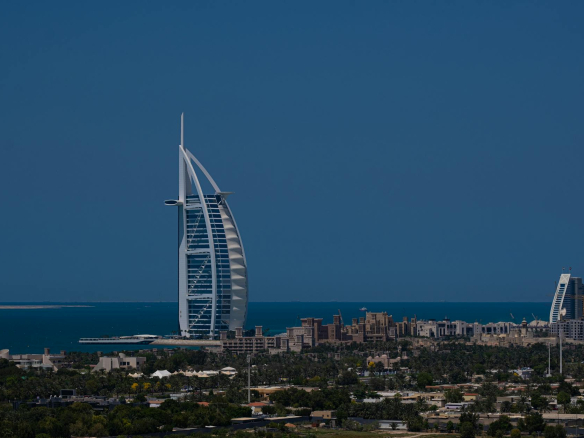
Dubai remains the most internationally diversified market. Free‑hold zones allow 100 % foreign ownership, attracting both end‑users and yield‑focused investors in Downtown Dubai, Dubai Marina and Palm Jumeirah. The office market is stabilising as multinationals consolidate in DIFC and Business Bay.
Abu Dhabi – Record Performance & Institutional Interest
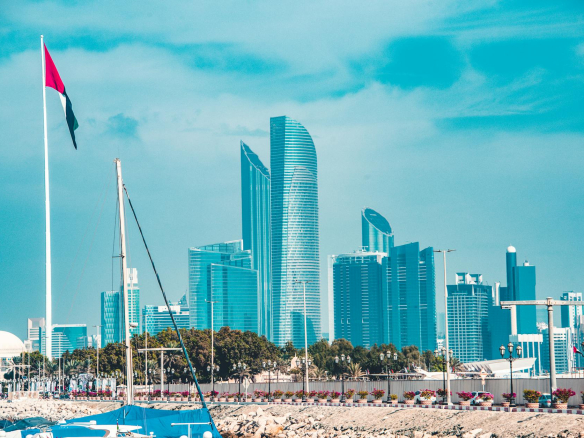
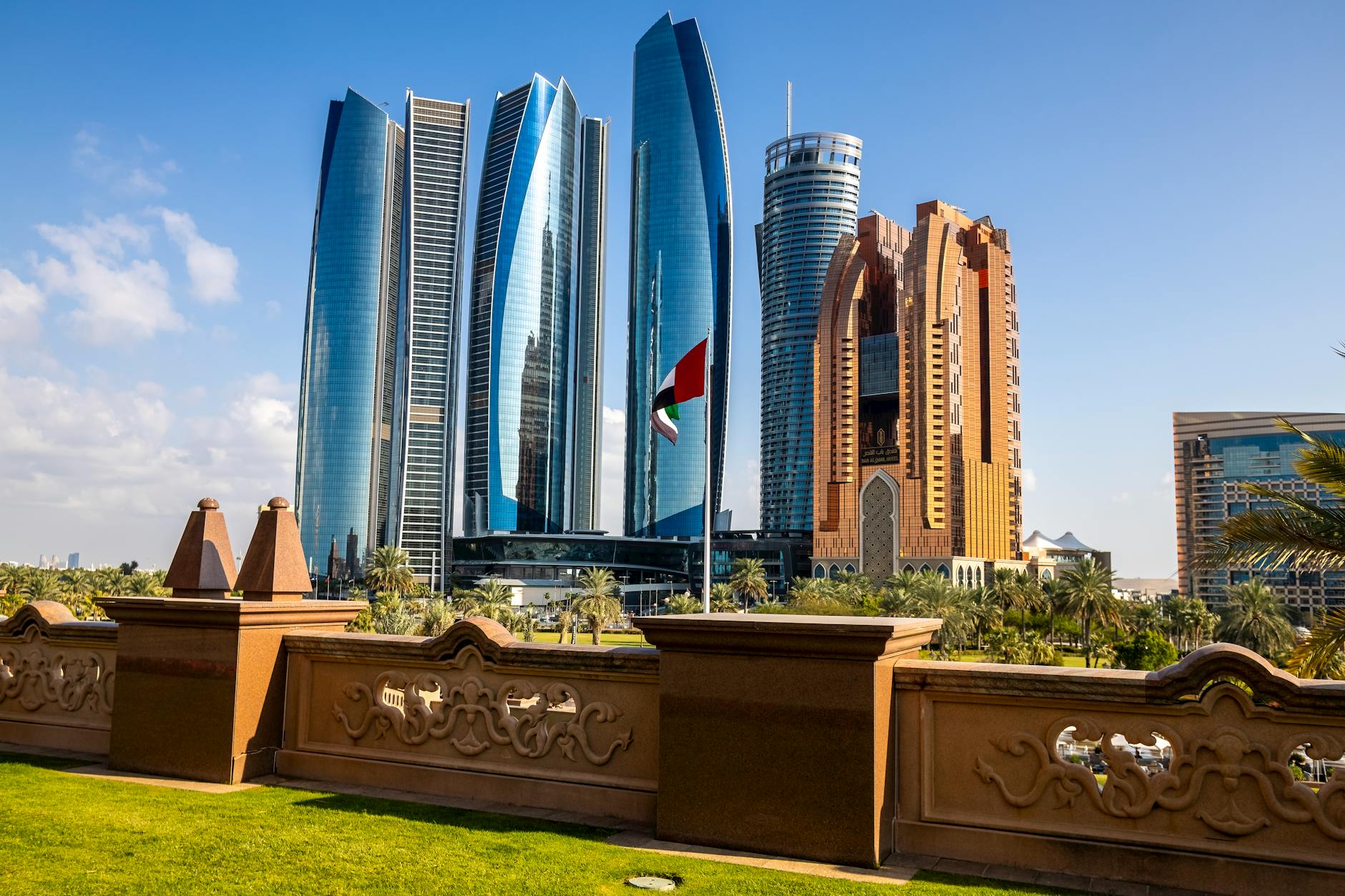
Dh66 bn in Q1 reflects a shift toward high‑value assets. ESG‑focused projects such as Masdar City attract institutional capital. Luxury villas on Al Reem Island and premium apartments on Yas Island command strong bids.
Sharjah & Ajman – Emerging Mid‑Range Opportunities
Sharjah’s 40.7 % volume growth highlights demand for affordable housing for expatriate families. Ajman’s steady logistics and warehousing activity offers a “next‑door” option near the northern gateway.
4. Investor Implications – Turning Data into Strategy
- Portfolio Diversification Across Emirates – Allocate capital to high‑yield Dubai assets, premium Abu Dhabi villas and tactical Sharjah exposure.
- Focus on Free‑Hold Zones – Prioritise developments in Dubai Marina, JBR and Abu Dhabi’s Al Maryah Island.
- Leverage ESG‑Aligned Projects – Target green‑certified buildings and projects near public transport.
- Capitalize on Financing Advantages – Use low mortgage rates and generous LTVs to optimise cash‑on‑cash returns.
- Timing and Phased Acquisition – Early Q2 purchases can lock in pricing before the summer slowdown.
5. Risks to Monitor
- Potential oversupply in luxury high‑rise towers.
- Sensitivity to any central‑bank interest‑rate tightening.
- Possible amendments to foreign‑ownership or visa rules.
- Regional geopolitical tensions that could affect confidence.
6. Opportunities on the Horizon
- Logistics and industrial parks in Ajman and Sharjah driven by e‑commerce growth.
- Serviced apartments and short‑term rentals as tourist arrivals rebound.
- Co‑working and flexible office spaces in Business Bay and Al Reem Island.
- Secondary market resale providing negotiated discounts on well‑located assets.
7. How David Moya Real Estate LLC Amplifies Investor Success
David Moya Real Estate LLC operates as a strategic UAE property advisory, not merely a brokerage. The firm partners with investors, entrepreneurs, family offices and international buyers to design and execute high‑impact real‑estate strategies.
- Market Guidance – Translates macro data into locality‑specific insights.
- Investment Strategy Development – Aligns portfolio objectives with risk tolerance and return expectations.
- Location Selection & Property Shortlisting – Conducts on‑the‑ground due diligence and presents vetted options.
- Transaction Support & Negotiation – Leverages market intelligence to secure optimal terms.
- Risk Awareness & Mitigation – Uses supply pipelines, yield forecasts and regulatory analysis to flag red flags early.
- Long‑Term Portfolio Planning – Provides ongoing reviews, benchmarking and reallocation advice.
Key SEO‑friendly phrases such as “David Moya Real Estate LLC,” “Dubai real estate investment,” “UAE property advisory,” “real estate investment guidance,” “international property buyers,” and “real estate portfolio strategy” are integrated throughout to enhance discoverability.
8. Key Takeaways for Investors
- Q1 surge confirms a broad‑based rebound with record values in Abu Dhabi and Sharjah.
- Dubai remains the flagship for free‑hold luxury and office assets.
- Abu Dhabi offers premium villa and ESG‑focused opportunities.
- Sharjah and Ajman present emerging value in affordable housing and logistics.
- Capital inflows, visa reforms and low financing costs underpin momentum.
- Risk management and disciplined advisory partnership are essential.
9. Frequently Asked Questions
- Q1: How does foreign ownership work in Dubai and Abu Dhabi? Both emirates have free‑hold zones where 100 % foreign ownership is permitted, giving non‑UAE nationals clear title, resale rights and financing options.
- Q2: What financing options are available for non‑resident investors? UAE banks provide mortgages up to 70 % LTV for prime properties, with competitive rates and flexible terms.
- Q3: Are there tax implications for buying property in the UAE? The UAE imposes no property, capital gains or income tax on individuals. VAT may apply to commercial properties and registration fees are payable.
- Q4: How can I protect my investment against a market correction? Diversify across emirates and asset types, maintain prudent leverage and focus on assets with strong fundamentals such as prime locations and ESG credentials.
- Q5: What added value does David Moya Real Estate LLC provide? End‑to‑end advisory covering market analysis, strategy design, property sourcing, negotiation, risk assessment and ongoing portfolio management.
10. Next Steps – Position Your Portfolio for the UAE Upswing
The Q1 data confirm a sustained upward trajectory powered by strong capital flows, investor‑friendly policies and a balanced supply pipeline. To convert this momentum into measurable portfolio gains, investors should review existing holdings, pinpoint target segments and engage a specialised advisory.
- Conduct a strategic review of current assets against emerging emirate trends.
- Identify target segments that match your risk‑return profile.
- Contact David Moya Real Estate LLC for a confidential, no‑obligation consultation.
Contact us:
Phone: +971 4 XXXX XXXX
Email: info@davidmoyaestate.com
Let us be the trusted guide that turns the UAE’s Q1 surge into long‑term, portfolio‑level success.
Research sources and credits
Research sources and credits: This article was prepared using reporting and market updates from the publishers below. Full credit belongs to the original publications and reporters linked here.
- UAE property market surges in Q1 with Dubai and Abu Dhabi leading
Credit: Web
# UAE property market surges in Q1 with Dubai and Abu Dhabi leading. Dubai, Abu Dhabi, Sharjah and Ajman record higher deals and investor activity. Dubai: The UAE’s real estate sector delivered a strong start to 2026, with transaction volumes and values rising across all major emirates, pointing to sustained investor demand and continued momentum in the property market. Data from Dubai, Abu Dhabi, Sharjah and Ajman shows a broad-based increase in activity during the first quarter, supported by growing investor participation and expanding deal volumes. Abu Dhabi reported its strongest quarterly performance on record, with real estate transactions rising sharply to Dh66 billion, compared to Dh25.31 billion in the same period last year, according to the Abu Dhabi Real Estate Centre. Sharjah’s property market also recorded solid growth, with trading volume reaching Dh18.5 billion during the first quarter, up from Dh13.2 billion in the same period last year, representing a 40.7% increase.
Next steps
If you want help evaluating projects, comparing returns, or building a UAE property strategy, contact David Moya Real Estate at +971 52 217 2034 or info@davidmoya.org.