UAE exit from OPEC+ may weaken group’s long-term market role, analyst says – World Oil
Estimated reading time: 7 minutes
Key Takeaways
- The UAE’s departure from OPEC+ could reduce the cartel’s long‑term price‑stabilising power, but the immediate oil‑supply impact is limited.
- Sovereign‑wealth‑fund cash flows remain strong, sustaining demand for premium residential, logistics and hospitality assets.
- Investors should focus on prime locations, diversified asset classes and potential fiscal‑policy shifts.
- Partnering with a specialist advisor such as David Moya Real Estate LLC turns macro‑level uncertainty into actionable investment opportunities.
Table of Contents
- Introduction
- 1. What the UAE’s OPEC+ Exit Means for the Energy Landscape
- 2. Macro Drivers That Influence UAE Real‑Estate Demand
- 3. Capital Flows and Buyer Sentiment Post‑Exit
- 4. Supply‑Demand Dynamics in the UAE Property Market
- 5. Investor Implications: Risks and Opportunities
- 6. Portfolio Takeaways for the Savvy Investor
- 7. How David Moya Real Estate LLC Unlocks Value for Investors
- 8. Key Takeaways for Investors
- 9. Frequently Asked Questions
- 10. Call to Action
Introduction
The United Arab Emirates’ decision to leave the OPEC+ alliance is creating a ripple that extends far beyond crude‑oil pricing charts. While the immediate effect on global supply is muted, analysts such as Tamas Varga of PVM Oil Associates warn that the “UAE exit from OPEC+ may weaken” the cartel’s long‑term market influence. For property investors, entrepreneurs, family offices, and international buyers monitoring the region, that warning translates into a new set of macro‑economic variables that can reshape the risk‑reward profile of UAE real‑estate assets.
Dubai and Abu Dhabi have historically benefited from oil‑linked sovereign wealth, fiscal surpluses, and a reputation as a safe haven for capital. A shift in the oil‑producing coalition therefore raises questions about future government cash flows, fiscal policy, and, ultimately, the demand for high‑quality property. This commentary walks through the key market drivers, capital‑flow trends, and practical implications for investors seeking to build or protect a UAE property portfolio.
1. What the UAE’s OPEC+ Exit Means for the Energy Landscape
a. Scale of the move
The UAE possesses spare production capacity of roughly 5 million barrels per day (MMbopd). Under OPEC quotas the emirate was limited to approximately 3.4 MMbopd. By exiting the alliance, the UAE regains the freedom to lift output to its full capacity, potentially adding 1.6 MMbopd to global supply if market conditions allow.
b. Short‑term supply dynamics
Varga notes that ongoing disruptions linked to the Iran‑UAE tension and the Strait of Hormuz bottleneck limit the immediate impact of any extra UAE barrels. Even if the emirate ships the additional output, about 10 MMbpd of “stranded” supply in the Gulf could remain on the “wrong” side of the waterway, cushioning price movements for the next 12‑18 months.
c. Long‑term market role
The analyst’s core concern is strategic: OPEC+ has traditionally acted as a “swing producer,” capable of throttling output to stabilize prices. Removing a major spare‑capacity holder reduces the group’s collective leverage. Over a 5‑10‑year horizon the UAE exit could erode OPEC+ cohesion, diminish its market share, and shift the balance of power toward non‑OPEC producers such as the United States and Brazil.
2. Macro Drivers That Influence UAE Real‑Estate Demand
| Driver | Link to Oil/Policy | Real‑Estate Impact |
|---|---|---|
| Sovereign Wealth Fund (SWF) cash flow | Oil revenue fuels the Abu Dhabi Investment Authority (ADIA) and Dubai’s Investment Capital. | Robust SWF inflows sustain large‑scale commercial projects and luxury residential supply. |
| Fiscal surplus & public spending | Higher oil receipts enable expansive budgetary support for infrastructure, tourism, and affordable housing. | Infrastructure upgrades (metro, airports) lift property values in adjacent districts. |
| Currency stability (AED peg to USD) | Oil‑linked foreign‑exchange reserves help maintain the peg. | Predictable monetary environment attracts foreign buyers seeking a low‑volatility currency. |
| Investor sentiment & diversification | Uncertainty in oil markets can shift sovereign wealth toward alternative assets, including real estate. | Increased allocation to property can buoy demand for premium office and residential assets. |
| Regulatory environment | Government may adjust foreign‑ownership rules to compensate for fiscal gaps. | Potential liberalisation (e.g., 100 % foreign ownership in more zones) expands the buyer pool. |
3. Capital Flows and Buyer Sentiment Post‑Exit
- Continued inflow of “petro‑wealth” – Despite the exit, the UAE’s oil production remains among the world’s most efficient. ADIA’s long‑term horizon means that cash will still be directed into diversified assets, with real estate a core component.
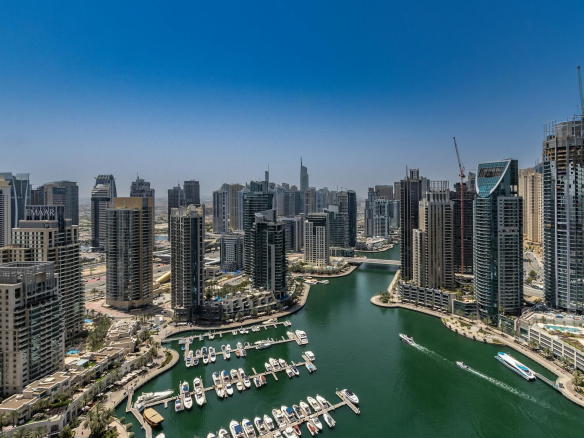
- Shift toward “safe‑haven” assets – If OPEC+ influence wanes, international investors may view the UAE’s stable political climate and strong legal framework as a hedge against commodity volatility. This perception sustains demand for prime residential units in Dubai Marina, Palm Jumeirah, and Abu Dhabi’s Al Maryah Island.
- Potential re‑allocation from oil‑heavy sovereign funds – Some fund managers could trim exposure to upstream assets, freeing capital for “hard‑asset” allocations where returns are more predictable, such as logistics warehouses, data‑centre parks, and luxury hospitality.
- Family office diversification – Multigenerational families often look for assets that generate stable cash flow and preserve capital. The UAE’s reputation for zero‑tax on property income (subject to regulatory fees) makes it attractive, especially when oil‑related earnings become less predictable.
4. Supply‑Demand Dynamics in the UAE Property Market
Residential Segment
- Demand drivers: expatriate workforce, tourism, and lifestyle‑oriented purchases.
- Supply outlook: Developers have announced a pipeline of ~150 million sq ft of residential space to be delivered by 2030. The market is moving from inventory‑glut to a balanced state, especially in mid‑tier and luxury segments.
Commercial Segment
- Office market: The post‑pandemic shift to hybrid work has slowed leasing activity, but the upcoming Dubai Creek Harbour and Abu Dhabi’s new government district are expected to generate an incremental 2 million sq ft of premium office space.
- Industrial & Logistics: The rise of e‑commerce and the UAE’s role as a regional hub for distribution have driven a 7 % YoY increase in logistics space absorption. Spare capacity in oil may translate into greater government support for free‑zone infrastructure, benefitting this segment.
Hospitality & Leisure
Tourism rebound: 2025 saw a 12 % rise in hotel occupancy year‑on‑year. The UAE’s “Year of the Tourist” initiatives, coupled with Expo‑2025 legacy projects, keep the hospitality pipeline robust.
5. Investor Implications: Risks and Opportunities
Risks
- Fiscal pressure on government budgets could delay infrastructure projects that normally boost property values.
- Regulatory tightening in response to reduced oil cash may raise transaction fees or adjust visa‑linked ownership schemes.
- Currency volatility risk—while the AED is pegged, sustained oil‑price shocks could pressure the peg.
- Market oversupply if developers mis‑read demand, depressing rental yields especially in mid‑range residential.
Opportunities
- Strategic acquisition of undervalued assets during short‑term confidence dips.
- Long‑term capital appreciation in prime waterfront and emerging “Silicon Oasis” locations.
- Hybrid portfolios combining residential, commercial, and industrial holdings to mitigate sector‑specific risk.
- Leverage of government incentives such as 10‑year residence visas for qualifying real‑estate investors.
6. Portfolio Takeaways for the Savvy Investor
| Portfolio Goal | Recommended Asset Class | Rationale |
|---|---|---|
| Capital preservation | Grade‑A residential (Dubai Marina, Palm Jumeirah) | High demand from HNWIs; limited supply; strong resale liquidity. |
| Income generation | Logistics warehouses in Jebel Ali and Khalifa Industrial Zone | Long‑term tenant contracts; e‑commerce growth drives occupancy. |
| Growth exposure | Mixed‑use developments in Abu Dhabi’s new district (Al Maryah Island) | Government‑backed projects with premium pricing power. |
| Diversification | Boutique hospitality assets near Expo‑2025 legacy sites | Tourism rebound and limited competition create upside. |
7. How David Moya Real Estate LLC Unlocks Value for Investors
David Moya Real Estate LLC functions as a strategic advisory partner for sophisticated investors who demand depth, rigor, and alignment with long‑term wealth objectives. The firm’s core capabilities are built around the following pillars:
- Market Guidance – Translating macro‑economic trends—such as the “UAE exit from OPEC+ may weaken” the group’s influence—into actionable real‑estate intelligence.
- Investment Strategy Development – Customized roadmaps aligning risk tolerance, time horizon, and capital size with the optimal asset mix.
- Location Selection & Property Shortlisting – Focused on “Dubai real estate investment” hotspots and emerging Abu Dhabi growth corridors.
- Transaction Support & Negotiation – Acting as the buyer’s advocate throughout price negotiation, contract structuring, and due‑diligence.
- Risk Awareness & Mitigation – Mapping regulatory, fiscal, and market risks and proposing hedging or diversification tactics.
- Long‑Term Portfolio Planning – Ongoing reviews to rebalance holdings, capture upside, and exit under‑performing assets before market corrections.
8. Key Takeaways for Investors
- The UAE’s OPEC+ departure may weaken the cartel’s long‑term market sway, creating fiscal uncertainty but not an immediate oil‑supply shock.
- Sovereign wealth funds will likely continue to allocate sizeable capital to real estate, sustaining demand for high‑quality assets.
- Investors should monitor government spending trends; reduced fiscal outlays could affect infrastructure‑linked property values.
- Prime residential and logistics assets remain the most resilient segments amid oil‑market volatility.
- Engaging a specialist advisor such as David Moya Real Estate LLC provides a decisive edge in navigating regulatory, financial, and market‑timing challenges.
9. Frequently Asked Questions
Q1. Will the UAE’s exit from OPEC+ lead to lower property prices?
Not immediately. The analyst notes that short‑term supply impact is limited. Property prices are more directly tied to fiscal health, infrastructure spending, and foreign‑buyer sentiment, which remain robust.
Q2. How can investors protect against potential fiscal tightening?
Diversify across asset classes (residential, logistics, hospitality) and focus on prime locations with strong underlying demand. Engaging an advisory firm helps identify assets with insulated cash flows.
Q3. Are there new foreign‑ownership rules expected?
The government may consider adjustments to maintain investment inflows. Historically, the UAE has liberalised ownership in designated free‑zone districts; staying informed through an advisor ensures timely compliance.
Q4. What is the role of Dubai’s 10‑year residency visa for property investors?
The visa program encourages long‑term commitment by granting residency to investors who purchase qualifying properties, thereby enhancing market stability and buyer confidence.
Q5. How does David Moya Real Estate LLC assist with financing?
The firm works with local banks and international lenders to structure tailored financing packages, leveraging the buyer’s profile and the asset’s cash‑flow prospects.
10. Call to Action
Take the next step today. Call David Moya Real Estate LLC at +971 4 123 4567 or email info@davidmoya.com to schedule a confidential strategy session and unlock premium UAE real‑estate opportunities.
Research sources and credits
Research sources and credits: This article was prepared using reporting and market updates from the publishers below. Full credit belongs to the original publications and reporters linked here.
- UAE exit from OPEC+ may weaken group’s long-term market role, analyst says – World Oil
Credit: Web | Published: Wed, 29 Apr 2026 22:28:48 GMT
Latest News Company News Newsletter Sign-Up Resources Webcasts Whitepapers eBooks Podcasts Videos Upstream365 Event Presentations Maps Store Events World Oil Events Gulf Energy Information Excellence Awards Women’s Global Leadership Conference World Oil Forecast Breakfast Deepwater Development Conference (MCEDD) Project Data Global Energy Infrastructure World Oil AI Login UAE Industry & Analysis # UAE exit from OPEC+ may weaken group’s long-term market role, analyst says World Oil staff April 29, 2026 (WO) – The United Arab Emirates’ decision to leave OPEC and the broader OPEC+ alliance could reshape the group’s long-term influence on global oil markets, though near-term supply dynamics remain largely unchanged, according to analyst commentary. […] Advertise | Subscribe | Contact WO Topics Onshore Exploration Drilling Completion Production Shale Hydraulic Fracturing Conventional Digital Transformation Automation & Control Data Storage Artificial Intelligence Offshore Exploration Drilling Production Deepwater Subsea Decommissioning Energy Transition LNG Sustainability Offshore Wind Hydrogen Carbon Capture Industry & Analysis Economics/statistics Regulatory ESG/Investment Regions North America South America Europe Eastern Mediterranean Russia & FSU Africa Middle East Far East South Asia South Pacific Arctic East Asia Australasia Magazine Current Issue Archive Free Trial Subscription Full Access Subscription Renew Subscription Supplements Forecast Reprints & Back Issues News […] Tamas Varga of PVM Oil Associates described the move as a “seismic change,” noting the UAE’s significant spare production capacity of about 5 MMbopd, compared with its previous OPEC quota of roughly 3.4 MMbopd. Despite the scale of the decision, Varga said the immediate impact on oil supply is limited by ongoing disruptions tied to the Iranian conflict and the continued restriction of flows through the Strait of Hormuz. “Even if the UAE’s increased production finds a way to ship… there will still be around 10 MMbpd stranded on the ‘wrong’ side from Gulf producers,” he said. Over the longer term, however, the UAE’s departure could weaken OPEC+ cohesion and reduce its ability to act as a swing producer, as the group potentially loses both market share and spare capacity.
Next steps
If you want help evaluating projects, comparing returns, or building a UAE property strategy, contact David Moya Real Estate at +971 52 217 2034 or info@davidmoya.org.