Singapore retail weakens as costs rise and demand falls in Q1 – Asian Business Review
Estimated reading time: 6 minutes
Key Takeaways
- Capital values rose modestly in both prime (+1.6%) and suburban (+3.1%) sub‑markets.
- Operating expenses increased 7% YoY, squeezing net operating income.
- Average sector yield remains around 4.4% versus a senior‑debt cost of ~3.1%.
- Suburban retail shows stronger rental growth (3.8% YoY) and transaction volume.
- UAE investors can use Singapore retail as a stable yield anchor alongside higher‑growth Gulf assets.
Table of Contents
- Introduction
- 1. Macro backdrop: Costs and demand
- 2. Capital values, rental growth & yields
- 3. Buyer sentiment & capital flows
- 4. Supply‑demand dynamics: Prime vs Suburban
- 5. Risks and opportunities
- 6. Portfolio takeaways
- 7. Forward‑looking outlook (2026‑2028)
- FAQ
- Contact & CTA
Introduction
The first quarter of 2026 delivered a mixed performance for Singapore’s retail property sector. Capital values continued to climb in both prime and suburban sub‑markets, yet rising operating costs and softer consumer demand are reshaping the risk‑reward equation. Investors, family offices, and international buyers need a clear view of these dynamics to position capital effectively, especially when comparing opportunities with the Gulf’s rapid‑growth markets.
1. Macro backdrop: Why costs are climbing and demand is receding
1.1 Inflationary pressure on operating expenses
Singapore’s CPI remains above 3% YoY, driven by labour‑cost inflation in services. Retail landlords face higher utilities, security fees, and property‑tax assessments linked to rising market valuations. Total operating expenses for retail assets jumped 7% versus Q4 2025.
1.2 Consumer sentiment and footfall
Discretionary spending has cooled. Department of Statistics data shows a 4% YoY decline in retail footfall for Q1 2026, with a steeper 9% drop in CBD corridors. Cost‑of‑living pressures and a shift toward e‑commerce are dampening in‑store traffic.
1.3 Supply dynamics
New retail supply slowed to 0.4 million sq ft of NLA in Q1, yet the market still holds roughly 2.1 million sq ft of vacant or under‑let prime space. Excess capacity forces landlords to consider rent concessions amid rising cost bases.
2. Capital values, rental growth, and yields – the numbers
| Sub‑market | Capital value Q4 2025 | Capital value Q1 2026 | Rental growth YoY | Yield (average) |
|---|---|---|---|---|
| Prime CBD | S$12,500 / sq ft | S$12,700 / sq ft | +2.4% | 4.2% |
| Suburban (Jurong East, Tampines) | S$8,300 / sq ft | S$8,550 / sq ft | +3.8% | 4.6% |
The weighted average sector yield holds near 4.4%, comfortably above the current senior‑debt funding cost of roughly 3.1%.
3. Buyer sentiment and capital flows
3.1 Institutional appetite
Global REITs and sovereign wealth funds are targeting assets that can absorb cost inflation—primarily suburban malls with mixed‑use components.
3.2 Private equity and high‑net‑worth individuals
PE firms pursue “value‑add” opportunities: lease expiries, under‑performing tenant mixes, or refurbishments for omnichannel concepts. Family offices favour cash‑flow stability; the current yield spread makes Singapore retail an attractive income play.
3.3 Cross‑border capital – The Gulf connection
UAE investors view Singapore retail as a low‑volatility complement to Dubai’s office market, which is presently soft‑landing. The stable yields and modest capital appreciation align with a diversified portfolio strategy.
4. Supply‑demand dynamics: Prime vs Suburban
| Factor | Prime (CBD) | Suburban |
|---|---|---|
| Vacancy rate (Q1 2026) | 6.8% | 9.2% |
| Average lease term (remaining) | 3.6 years | 2.9 years |
| Dominant tenant mix | Luxury fashion, F&B, financial services | Family retail, hyper‑markets, lifestyle & entertainment |
| Recent transaction volume | S$1.2 bn (4 deals) | S$1.7 bn (9 deals) |
| Development pipeline | 0.3 mn sq ft | 0.1 mn sq ft |
5. Risks and opportunities for investors
5.1 Risks
- Operating cost escalation outpacing rent growth, eroding NOI.
- Continued shift to e‑commerce reducing footfall, especially in fashion‑centric prime locations.
- Potential monetary tightening that could lift funding costs.
- Geopolitical tensions affecting consumer confidence.
5.2 Opportunities
- Value‑add repositioning of suburban malls into mixed‑use hubs (co‑working, logistics, health).
- Lease‑hold extensions with CPI‑linked step‑up clauses.
- Asset‑light joint‑venture or management‑fee structures for upside participation.
- Portfolio diversification with high‑growth Gulf assets (e.g., logistics parks near Dubai Ports World).
6. Portfolio takeaways for the sophisticated investor
- Target assets where net yield exceeds funding cost by 1.0–1.5 pp to preserve a buffer.
- Prioritise suburban locations offering mixed‑use potential and shorter lease cycles.
- Use Singapore retail as a “stability anchor” alongside more volatile Gulf sectors.
- Incorporate ESG upgrades to lower utilities and meet multinational tenant criteria.
- Maintain flexible financing; fixed‑rate senior debt at current ~3.1% protects the spread.
7. Forward‑looking outlook: 2026‑2028
Short term (12 months)
Capital values likely to rise 1–2% YoY; prime rentals staying in low‑single digits, suburban rents sustaining mid‑single digit growth as vacancy eases.
Medium term (2027‑2028)
Experience‑driven concepts (food‑centric plazas, entertainment) will gain share. Assets pre‑positioned for this shift should capture upside rents and lower vacancy.
Macro variables
Any acceleration in global interest rates or regional trade friction could push investors toward defensive assets (logistics, residential), making retail a tactical rather than core allocation.
FAQ
Q1: How does the rise in operating costs affect net return?
Higher expenses reduce NOI and compress net yields. Mitigation includes CPI‑linked rent escalations, energy‑efficiency upgrades, and strong tenant covenants.
Q2: Should I favour prime or suburban retail for a long‑term hold?
Prime offers stability but higher vacancy risk; suburban assets currently deliver better growth and mixed‑use upside. A balanced mix can optimise income and appreciation.
Q3: How does Singapore’s retail market compare with Dubai’s?
Singapore provides a more mature, yield‑stable environment (average 4.4% vs Dubai’s more volatile retail yields). Pairing both markets can smooth overall portfolio volatility.
Q4: What financing structure yields the best risk‑adjusted returns?
Senior fixed‑rate debt at ~3.1% preserves the spread over the 4.4% asset yield. Adding mezzanine can boost equity returns but raises risk; a balanced capital stack is recommended.
Q5: Are regulatory changes on the horizon for foreign investors?
Singapore maintains an open investment regime. No immediate restrictions on foreign institutions have been announced, though the Monetary Authority may tighten loan‑to‑value limits if inflation persists.
Contact & Call to Action
Ready to explore Singapore retail opportunities or discuss how Dubai and Abu Dhabi assets can complement your portfolio?
Phone: +971 4 123 4567
Email: info@davidmoyarealestate.com
Our team of seasoned advisors works with investors, entrepreneurs, family offices, and international buyers to craft strategic, long‑term property solutions across the UAE and Asia‑Pacific. Let us turn market insights into lasting value.
Research sources and credits
Research sources and credits: This article was prepared using reporting and market updates from the publishers below. Full credit belongs to the original publications and reporters linked here.
- Singapore retail weakens as costs rise and demand falls in Q1 – Asian Business Review
Credit: Web | Published: Wed, 22 Apr 2026 03:02:37 GMT
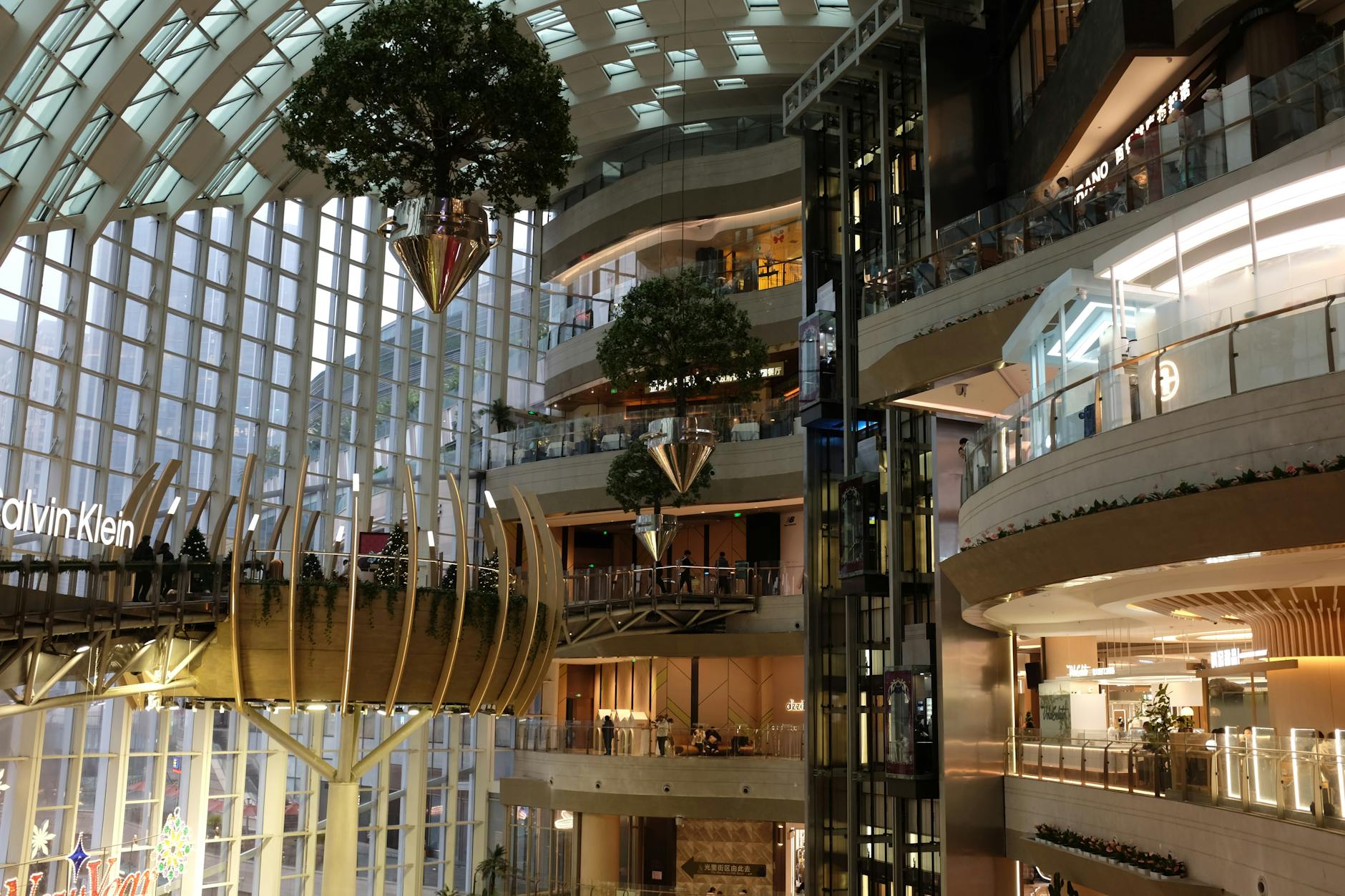
Despite market headwinds, capital values in both Prime and Suburban retail submarkets rose in Q1 2026, tracking rental growth. Yields remained stable overall, supporting a healthy yield spread above funding costs. The suburban segment outperformed, driven by stronger transaction activity and mild yield compression. Join Asian Business Review community Since you’re here… …there are many ways you can work with us to advertise your company and connect to your customers. Our team can help you design and create an advertising campaign, in print and digital, on this website and in print magazine. […] 1 day ago Affluent women force rethink of legacy planning in Asia-Pacific Affluent women force rethink of legacy planning in Asia-Pacific Stable growth and early engagement shift advice beyond transactional transfers. Insurance 1 day ago Probability disclosures unlikely to dent blind-box demand in Singapore Probability disclosures unlikely to dent blind-box demand in Singapore They could reassure rather than deter core buyers. 5 days ago Taiwan wind push lifts demand for offshore vessels Taiwan wind push lifts demand for offshore vessels Cost inflation and supply risk test shipbuilders as regional orders build. ## Event News Co-Written / Partner KPMG in Singapore’s Aseem Sharma: Investment decisions must prioritise long-term business outcomes, not technology trends […] Agribusiness Aviation Banking Technology Building & Engineering Co-Written / Partner Commercial Office Commercial Property Commercial Retail Economy Energy & Offshore Financial Services Financial Technology Food & Beverage Healthcare Hotels & Tourism HR & Education Information Technology Insurance Leisure & Entertainment Manufacturing Markets Markets & Investing Media & Marketing Professional Services/Legal Residential Residential Property Retail Retail Banking Shipping & Marine Stocks Telecom & Internet Transport & Logistics Utilities There are no upcoming events found. Please try again later. News Staff Reporter , Singapore Published: Photo by Gatsby Yang via Pexels # Singapore retail weakens as costs rise and demand falls in Q1
Next steps
If you want help evaluating projects, comparing returns, or building a UAE property strategy, contact David Moya Real Estate at +971 52 217 2034 or info@davidmoya.org.