UAE to host major international events, conferences in September
Estimated reading time: 8 minutes
Key Takeaways
- The UAE to host major international events, conferences in September highlights the region’s growing prominence and creates tangible demand for real estate across multiple sectors.
- Events such as the 35th Abu Dhabi International Book Fair drive short‑term spikes in hospitality and commercial property performance, offering strategic entry points for investors.
- Dubai and Abu Dhabi each present distinct supply‑demand dynamics; investors should assess location‑specific factors when allocating capital.
- Balancing event‑driven opportunities with stable, long‑term assets can enhance portfolio resilience and returns.
- Partnering with a specialized advisory firm like David Moya Real Estate LLC provides market insights, transaction expertise, and risk management essential for successful UAE property investment.
Table of Contents
- Introduction
- Event Spotlight: 35th Abu Dhabi International Book Fair
- Market Drivers Behind the Event Boom
- Capital Flows and Investor Sentiment
- Supply-Demand Dynamics in Dubai and Abu Dhabi
- Opportunities for Property Investors
- Risks and Considerations
- Portfolio Takeaways
- Why David Moya Real Estate LLC Matters for Real Estate Investors
- FAQ
- Contact David Moya Real Estate LLC
Introduction
The UAE’s strategic push to host a series of high‑profile international events and conferences in September underscores its ambition to become a global business hub. This concentration of gatherings not only elevates the nation’s profile but also creates immediate demand for real estate across hospitality, commercial, and residential sectors, offering investors a timely window to capitalize on event‑driven market dynamics.
Event Spotlight: 35th Abu Dhabi International Book Fair
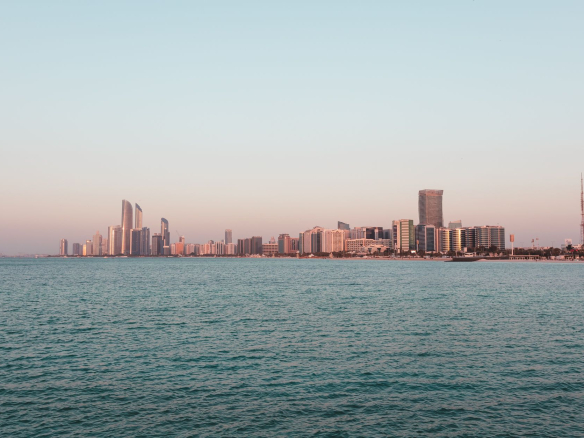
From 13 to 18 September, the Abu Dhabi National Exhibition Centre (ADNEC) will host the 35th Abu Dhabi International Book Fair, a flagship cultural event expected to attract thousands of visitors, including publishers, authors, and enthusiasts from around the world. The choice of ADNEC, one of the region’s premier exhibition venues, highlights the emirate’s commitment to world‑class infrastructure and its ambition to become a leading destination for international gatherings.
The fair serves as a platform for business networking, cultural exchange, and tourism promotion. Its program features high‑profile author talks and industry panels that attract senior executives and decision‑makers, many of whom explore investment opportunities while in the city. The event is projected to significantly boost local hospitality revenues, as attendees require accommodation, dining, and transportation services.
Market Drivers Behind the Event Boom
The concentration of high‑profile events in September is driven by several interrelated factors. First, the UAE’s favorable climate in early autumn makes it an attractive window for large‑scale activities. Second, ongoing government investment in transport, hospitality, and digital infrastructure ensures seamless connectivity for visitors. Third, the country’s tax‑free environment and business‑friendly policies continue to attract multinational corporations and conference organizers, creating a virtuous cycle of event‑driven economic activity. Recent visa reforms have simplified entry for business travelers, further enhancing the UAE’s appeal. The strategic timing avoids extreme summer heat, making September optimal for both indoor exhibitions and outdoor activations, while sustainable development commitments mean many new venues meet green building standards.
Capital Flows and Investor Sentiment
International events act as catalysts for capital deployment. When global participants converge on a city, they often explore local real estate opportunities, particularly in commercial and hospitality sectors. The visibility of these events signals robust demand for short‑term rentals, office space, and retail premises. In the UAE, foreign ownership regulations allow international buyers to acquire freehold properties in designated areas, making the market accessible to a broad range of investors. Sovereign wealth funds and private equity firms are drawn to the strategic stakes in property development and asset management platforms, leading to increased capital inflows surrounding major conferences. This trend indicates that real estate is increasingly viewed as a strategic asset class complementing event‑driven economic activity.
Supply-Demand Dynamics in Dubai and Abu Dhabi
The influx of visitors creates an immediate uptick in demand for accommodation, conference facilities, and ancillary services. In Abu Dhabi, the ADNEC complex already commands a significant inventory of exhibition and convention space, yet repeated scheduling of major events suggests that supply is being actively expanded to meet rising demand. In Dubai, proximity to international airports and mixed‑use developments position the city to capture spill‑over demand from events held across the emirate. Developers are responding with new hotel projects and serviced apartment complexes, especially in districts adjacent to major transport hubs. This expansion addresses short‑term needs while building long‑term capacity to support future events and sustained tourism growth. Competition among developers for prime locations near event hubs intensifies, driving higher land prices and more sophisticated project designs.
Opportunities for Property Investors
For property investors, the event calendar offers several entry points. Hospitality assets, such as hotels and serviced apartments, benefit from higher occupancy rates and nightly prices during event periods. Commercial real estate, including office towers and retail malls, experiences increased footfall, translating into higher rental yields. The long‑term reputation of hosting international events can enhance the value of surrounding residential neighborhoods, making them more sought after. Mixed‑use developments that combine retail, office, and residential components provide diversified income streams. Additionally, demand for short‑term rental platforms like Airbnb and boutique serviced apartments is expected to rise, creating niche opportunities for individual property owners. Institutional investors are allocating capital to dedicated event‑focused real estate funds, recognizing predictable cash flows generated by such assets.
Risks and Considerations
While the prospects are attractive, investors must remain mindful of potential risks. Event‑driven demand can be cyclical, leading to periods of oversupply if new developments are not aligned with long‑term trends. Fluctuations in global travel patterns or economic uncertainty may affect attendance, impacting returns. Conducting thorough due diligence on location, tenant mix, and exit strategies is essential to mitigate these risks. Interest rate sensitivity and currency exchange volatility also pose challenges for international capital, necessitating careful financial modeling. Regulatory changes or shifts in government policy regarding foreign ownership could alter the investment landscape, requiring ongoing monitoring. To mitigate these risks, investors often employ hedging strategies such as currency forwards or interest rate swaps.
Portfolio Takeaways
Integrating event‑driven opportunities into a broader real estate portfolio can enhance diversification and returns. Investors should allocate a portion of capital to assets that benefit from temporary demand spikes while maintaining a core of stable, income‑generating properties. Balancing short‑term gains with long‑term value creation is key to building resilient portfolios in the UAE market. A strategic approach may involve pairing hospitality investments with defensive sectors such as healthcare or education‑related real estate, which tend to be less sensitive to economic cycles. Incorporating a mix of freehold and leasehold assets provides flexibility in response to changing market conditions. Regular rebalancing ensures allocation remains aligned with evolving market dynamics and investor objectives.
Why David Moya Real Estate LLC Matters for Real Estate Investors
David Moya Real Estate LLC positions itself as a trusted real estate advisory partner for investors, entrepreneurs, family offices, and international buyers seeking to navigate the complexities of the UAE property market. The firm offers comprehensive guidance that spans market analysis, strategic acquisition, and ongoing portfolio management.
For international property buyers, the firm provides tailored advice on location selection, leveraging deep insights into Dubai and Abu Dhabi neighborhoods poised to benefit from upcoming events and infrastructure projects. The advisory team assists with property shortlisting, ensuring each option aligns with the client’s risk appetite and return objectives. Transaction support includes negotiation perspective, contract review, and coordination with legal and financing partners, smoothing the purchasing process for clients unfamiliar with local regulations.
Entrepreneurs and family offices benefit from a portfolio‑thinking approach. By evaluating how individual acquisitions fit within a broader asset allocation strategy, David Moya Real Estate LLC helps clients achieve diversification across hospitality, commercial, and residential sectors. The firm emphasizes risk awareness, providing scenario analysis and stress‑testing tools to anticipate market fluctuations.
In summary, engaging David Moya Real Estate LLC equips investors with better market understanding, clearer decision‑making, improved property selection, stronger risk evaluation, and a smoother entry into the UAE real estate landscape. The company’s commitment to long‑term value creation distinguishes it as a pivotal partner for those looking to capitalize on opportunities presented by major international events.
FAQ
How does hosting international events affect property prices in the UAE?
Large events increase demand for accommodation and commercial space, which can lead to higher rental rates and property values, especially in proximity to event venues.
Which types of real estate benefit most from such events?
Hospitality assets, including hotels and serviced apartments, as well as retail and office spaces near exhibition centers, typically experience the greatest impact.
Can foreign investors freely purchase property in the UAE?
Yes, foreign buyers can acquire freehold properties in designated areas of Dubai and Abu Dhabi, subject to certain regulatory requirements.
What risks should investors consider when chasing event‑driven opportunities?
Risks include cyclical demand, potential oversupply, and sensitivity to global travel trends, which can affect occupancy and rental income.
How can David Moya Real Estate LLC assist international buyers?
The firm provides end‑to‑end advisory services, from market research and property selection to negotiation and post‑purchase portfolio management, ensuring informed decision‑making.
Contact David Moya Real Estate LLC
Contact David Moya Real Estate LLC today at +971 50 123 4567 or email info@davidmoyarealestate.com to discuss how we can help you capitalize on the UAE’s dynamic real estate market.
Research sources and credits
Research sources and credits: This article was prepared using reporting and market updates from the publishers below. Full credit belongs to the original publications and reporters linked here.
- UAE to host major international events, conferences in September
Credit: Web
Abu Dhabi will host the 35th Abu Dhabi International Book Fair from 13th to 18th September at the Abu Dhabi National Exhibition Centre (ADNEC).
Next steps
If you want help evaluating projects, comparing returns, or building a UAE property strategy, contact David Moya Real Estate at +(971) 585893086 or info@davidmoya.org.