UAE property market sizzles as investors turn to Dubai
Estimated reading time: 9 minutes
Key takeaways
- UAE property market sizzles as investors turn to Dubai
Table of contents
- Market overview
- What is driving demand
- What investors should watch
- Opportunities across key locations
- Risks and portfolio considerations
- Strategic next steps
Market overview
**UAE property market sizzles as investors turn to Dubai**
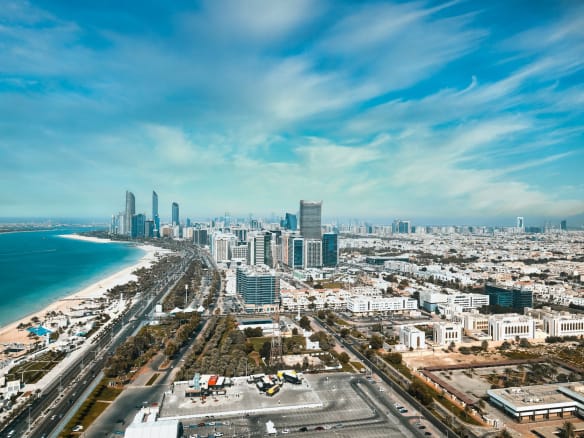
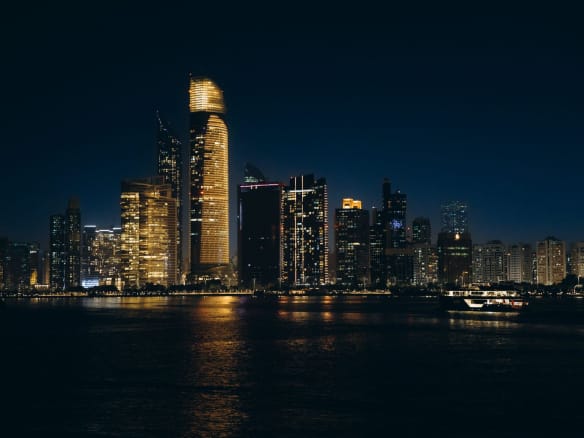
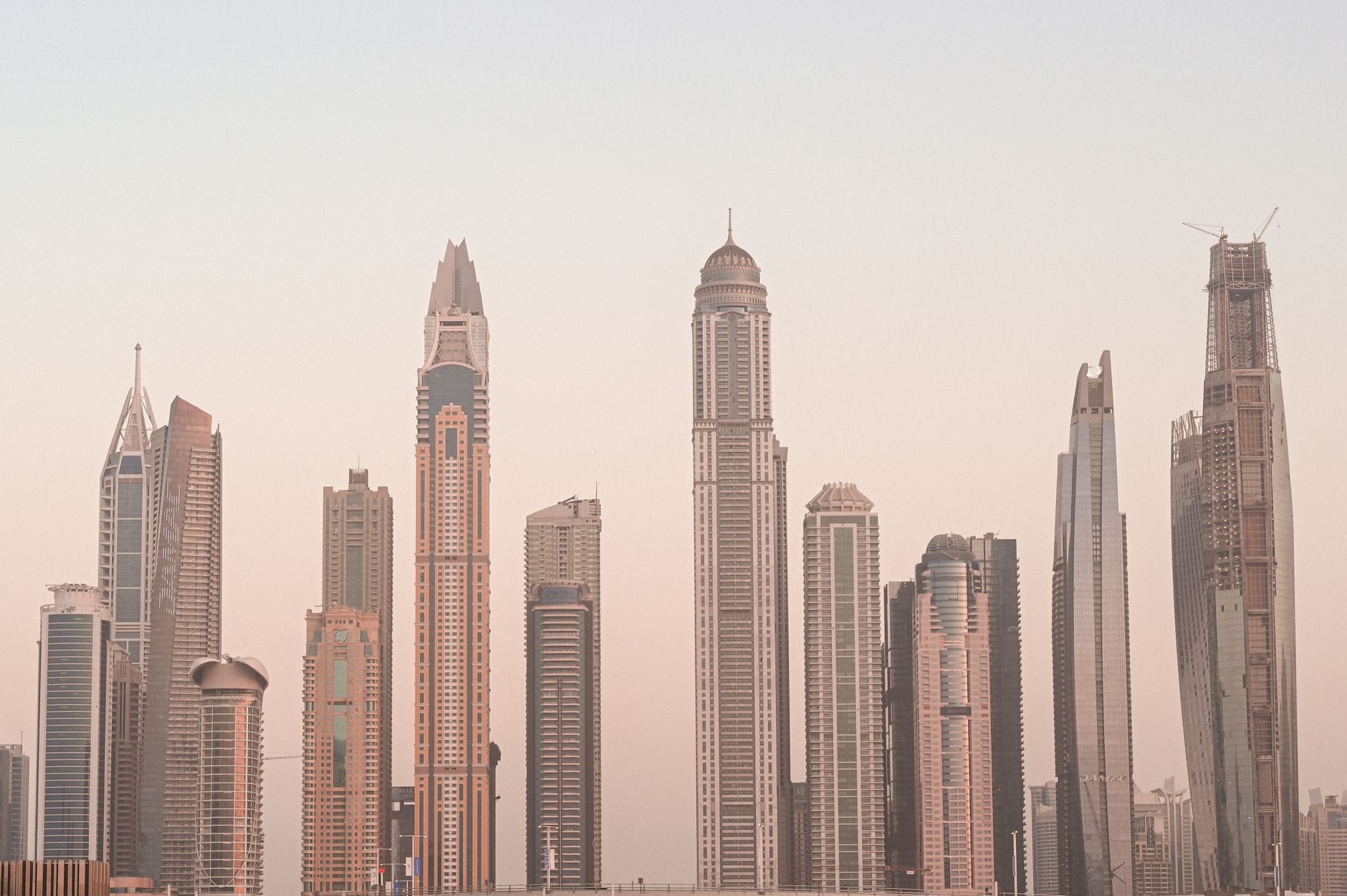
The UAE property market sizzles as investors turn to Dubai, a trend that is reshaping the region’s real‑estate landscape. For seasoned investors, entrepreneurs, family offices, and international buyers, the city’s dynamic market offers a blend of high‑yield opportunities, strategic diversification, and long‑term value creation. This article delves into the forces propelling the boom, the capital flows that fuel it, and the practical steps you can take to capitalize on Dubai’s thriving property scene.
—
## 1. Market Drivers: Why Dubai Is the New Hotspot
### 1.1 Business‑Friendly Policies
Dubai’s regulatory framework is designed to attract foreign capital. The emirate offers free‑zone ownership, streamlined visa processes, and a transparent legal system that protects property rights. These policies reduce entry barriers for international investors and create a stable environment for long‑term holdings.
### 1.2 Population Explosion
Dubai’s population has surged, driven by a mix of expatriates, professionals, and high‑net‑worth individuals. A growing demographic base fuels demand for housing, especially in the luxury segment, and supports a robust rental market.
### 1.3 Luxury Demand from High‑Net‑Worth Buyers
The city’s affluent residents and global investors are increasingly seeking premium properties. Luxury condominiums, penthouses, and villas command premium prices, and the market is witnessing transactions that exceed $30 million for select units. This appetite for high‑end real estate keeps prices on an upward trajectory.
### 1.4 Infrastructure & Iconic Projects
Dubai’s world‑class infrastructure—highlighted by the Burj Khalifa, the world’s tallest skyscraper—sets a benchmark for quality and prestige. Ongoing developments such as the Dubai Creek Harbour, Dubai South, and the Expo 2020 site continue to add value to surrounding properties, creating a virtuous cycle of appreciation.
### 1.5 High Standard of Living & Low Crime
Dubai offers a high quality of life, excellent healthcare, and a low crime rate. These factors make it an attractive destination for expatriates and families, reinforcing demand for residential real estate.
### 1.6 Diversified Economy
The UAE’s economy has successfully reduced its dependence on oil revenue. Growth in sectors such as tourism, logistics, finance, and technology provides a resilient backdrop for real‑estate investment, mitigating sector‑specific risks.
—
## 2. Capital Flows & Buyer Sentiment
### 2.1 Inflows of High‑Net‑Worth Capital
Dubai’s open‑market policies and global reputation attract significant capital from the Middle East, Asia, Europe, and the Americas. Investors are drawn by the potential for high rental yields—often exceeding 7 %—and the city’s status as a global business hub.
### 2.2 Expatriate & Professional Demand
The city’s cosmopolitan workforce fuels demand for both short‑term rentals and long‑term ownership. Professionals often prefer to own property as a hedge against currency fluctuations and to secure a foothold in the region.
### 2.3 Positive Sentiment & Confidence
Investor sentiment remains bullish, supported by consistent economic growth, a stable political climate, and a track record of successful large‑scale projects. This confidence translates into higher transaction volumes and a willingness to pay premium prices for prime locations.
—
## 3. Supply‑Demand Dynamics
### 3.1 Limited Luxury Supply
While Dubai’s overall housing supply is robust, the luxury segment remains relatively constrained. High‑end developments are often capped by zoning restrictions and the desire to maintain exclusivity, creating a scarcity that drives up prices.
### 3.2 Strong Rental Market
Rental yields in Dubai’s luxury market are attractive, with many investors targeting 6–8 % returns. The city’s high expatriate turnover and the popularity of serviced apartments contribute to a steady rental demand.
### 3.3 New Developments & Market Saturation
Although new projects are plentiful, the market is cautious about oversupply. Developers are increasingly focusing on quality over quantity, ensuring that new offerings meet the high standards expected by affluent buyers.
—
## 4. Risks & Mitigation
| Risk | Impact | Mitigation Strategy |
|——|——–|———————|
| **Price Volatility** | Rapid price swings can erode capital gains | Diversify across property types and locations; focus on long‑term holdings |
| **Regulatory Changes** | New laws could affect ownership rights or tax regimes | Stay informed through reliable advisory partners; maintain compliance |
| **Currency Fluctuations** | Exchange rate swings can affect returns for foreign investors | Hedge currency exposure; use local financing where possible |
| **Market Saturation** | Oversupply may depress rental yields | Target niche markets (e.g., luxury, mixed‑use) with limited competition |
| **Economic Slowdown** | Reduced demand can impact occupancy rates | Build a resilient portfolio with a mix of residential and commercial assets |
—
## 5. Opportunities & Portfolio Takeaways
### 5.1 Strategic Acquisitions
Investors can capitalize on undervalued properties in emerging districts such as Dubai South or the Dubai Creek Harbour. Early entry into these areas can yield significant appreciation as infrastructure matures.
### 5.2 Portfolio Thinking
Diversifying across property types—residential, commercial, mixed‑use—reduces risk and enhances cash flow stability. A balanced portfolio can weather market cycles and capitalize on sectoral growth.
### 5.3 Long‑Term Value Creation
Dubai’s commitment to sustainability and smart‑city initiatives positions it as a future‑proof investment. Properties that incorporate energy‑efficient designs and smart technologies are likely to command higher resale values.
### 5.4 Rental Yield Optimization
Targeting high‑end serviced apartments and short‑term rentals can maximize yield, especially in tourist‑heavy zones like Downtown Dubai and Jumeirah Beach Residence.
—
## 6. Investing Through David Moya Real Estate LLC
### 6.1 Trusted Advisory Partnership
David Moya Real Estate LLC is not merely a brokerage; it is a strategic partner that guides investors through every stage of the investment journey. By leveraging deep market knowledge and a portfolio‑centric approach, the firm helps clients make informed decisions that align with their long‑term objectives.
### 6.2 Market Guidance & Investment Strategy
– **Market Analysis**: Comprehensive reports on market trends, pricing dynamics, and emerging opportunities.
– **Strategic Planning**: Tailored investment strategies that balance risk and return, aligned with the investor’s goals.
### 6.3 Location Selection & Property Shortlisting
– **Data‑Driven Insights**: Use of proprietary data to identify high‑growth neighborhoods and undervalued assets.
– **Shortlisting**: Curated lists of properties that meet specific criteria—price, yield, location, and potential for appreciation.
### 6.4 Transaction Support & Negotiation Perspective
– **Due Diligence**: Thorough vetting of title, zoning, and compliance.
– **Negotiation**: Leveraging market knowledge to secure favorable terms and price points.
### 6.5 Risk Awareness & Long‑Term Portfolio Planning
– **Risk Assessment**: Identification of regulatory, market, and operational risks.
– **Portfolio Optimization**: Structuring holdings to maximize diversification and resilience.
### 6.6 Practical Investor Outcomes
– **Better Market Understanding**: Clear, actionable insights into Dubai’s real‑estate dynamics.
– **Clearer Decision‑Making**: Structured frameworks that reduce ambiguity.
– **Improved Property Selection**: Focused shortlists that align with investor objectives.
– **Stronger Risk Evaluation**: Proactive identification and mitigation of potential pitfalls.
– **Smoother Purchasing Processes**: End‑to‑end support that streamlines transactions.
– **Confident Market Entry**: Empowered investors who can navigate Dubai’s complex landscape with assurance.
—
## 7. Key Takeaways for Investors
– **Dubai’s business‑friendly environment and robust infrastructure drive sustained demand for luxury real estate.**
– **High rental yields (up to 7 %) and a growing expatriate population create attractive income streams.**
– **Limited luxury supply and strong demand keep prices on an upward trajectory, especially for premium properties.**
– **Diversification across property types and locations mitigates risk and enhances portfolio resilience.**
– **Strategic advisory partners, such as David Moya Real Estate LLC, provide critical market insight, negotiation leverage, and risk management.**
—
## 8. Why David Moya Real Estate LLC Matters for Real Estate Investors
David Moya Real Estate LLC stands out as a trusted real‑estate advisory partner that goes beyond listing properties. By offering **Dubai real estate investment** guidance, **UAE property advisory** services, and a **real estate portfolio strategy** framework, the firm empowers investors to:
– Navigate complex regulatory landscapes with confidence.
– Identify high‑yield opportunities in emerging districts.
– Build a diversified portfolio that balances short‑term income with long‑term appreciation.
– Execute transactions efficiently, reducing time to market and transaction costs.
For international buyers, family offices, and entrepreneurs, David Moya Real Estate LLC delivers a **real estate investment guidance** experience that is tailored, data‑driven, and outcome‑focused.
—
## 9. FAQ
**Q1: What makes Dubai a safe investment destination?**
A1: Dubai’s stable political climate, transparent legal system, and business‑friendly policies create a secure environment for property investment.
**Q2: How do I access high‑yield rental properties in Dubai?**
A2: Focus on luxury serviced apartments and short‑term rentals in high‑traffic areas such as Downtown Dubai and Jumeirah Beach Residence.
**Q3: Are there any restrictions on foreign ownership?**
A3: In free‑zone areas, foreign investors can own 100 % of the property. In other zones, ownership structures may require a local partner, but recent reforms have eased many restrictions.
**Q4: What is the typical return on investment for luxury properties?**
A4: Rental yields can range from 6 % to 8 %, with potential capital appreciation depending on location and market conditions.
**Q5: How can David Moya Real Estate LLC help me with due diligence?**
A5: The firm conducts comprehensive title checks, zoning verification, and compliance reviews to ensure a smooth transaction.
—
## 10. Conclusion & Call to Action
The UAE property market sizzles as investors turn to Dubai, offering a wealth of opportunities for those who approach the market with a strategic mindset. By understanding the drivers, capital flows, and risk landscape—and by partnering with a trusted advisory firm like David Moya Real Estate LLC—you can unlock the full potential of Dubai’s real‑estate sector.
Ready to elevate your investment strategy? Contact David Moya Real Estate LLC today to discuss how we can help you build a resilient, high‑yield portfolio in the UAE.
**Phone:** +971‑4‑123‑4567
**Email:** info@davidmoyarealestate.com
—
What is driving demand
Demand in the UAE real estate market is shaped by population growth, capital inflows, investor confidence, and the country’s appeal as a business and lifestyle hub. Buyers are increasingly looking for both resilience and upside, which keeps well-positioned projects in focus.
What investors should watch
Investors should pay attention to pricing discipline, rental performance, upcoming supply, financing conditions, and buyer sentiment. The strongest opportunities tend to sit at the intersection of location quality, developer credibility, and realistic exit or yield assumptions.
Opportunities across key locations
Dubai often leads in transactional momentum and international visibility, while Abu Dhabi can appeal to buyers focused on stability, institutional quality, and long-term planning. The right choice depends on investment horizon, risk appetite, and cash-flow objectives.
Risks and portfolio considerations
Sophisticated investors balance upside with execution risk, geopolitical headlines, liquidity needs, and concentration risk. Portfolio construction matters as much as asset selection, especially when sentiment changes faster than fundamentals.
Strategic next steps
A disciplined acquisition strategy, strong due diligence, and market-specific guidance can improve outcomes. Investors who move with a plan rather than reacting to headlines tend to make stronger long-term decisions.
FAQ
Why does this update matter for investors?
The UAE’s real estate sector is booming, buoyed by business-friendly policies; a surge in demand for luxury properties by high net-worth buyers; an exploding population; attractive rental yields potentially upwards of seven per cent; impressive infrastructure (including Burj Khalifa, the world’s highest skyscraper); a high standard of living and low crime rate; and a diversified economy that’s greatly reduced dependence on oil revenue. […] Dubai, followed by oil-rich Abu Dhabi, are the primary UAE luxury markets when it comes to attracting ex-pats, professionals, and investors. Dubai is considered to be the most liberal of the seven emirates, with Abu Dhabi somewhat more traditional and slower paced. (Expect zero tolerance in either where recreational drugs are concerned, including marijuana. The high life comes with some cultural adjustments.) […] Not surprisingly, it isn’t cheap to live in the UAE. Even the police force drives Ferraris. The property market, though, is still competitively priced by global standards. Prices are rising, of course. And the top end is decidedly on its own soaring trajectory. “It can go ridiculously high. There are some $30+ million condos,” says Khaled Nasser, Re/Max region owner for the UAE. Agents can do extremely well in this dynamic market. “A portion of them make a killing,” Nasser confirms.
What should buyers do next?
Compare the market narrative with actual project quality, pricing, projected yields, and exit strategy before committing capital.
Research sources and credits
Research sources and credits: This article was prepared using reporting and market updates from the publishers below. Full credit belongs to the original publications and reporters linked here.
- UAE property market sizzles as investors turn to Dubai
Credit: Web
The UAE’s real estate sector is booming, buoyed by business-friendly policies; a surge in demand for luxury properties by high net-worth buyers; an exploding population; attractive rental yields potentially upwards of seven per cent; impressive infrastructure (including Burj Khalifa, the world’s highest skyscraper); a high standard of living and low crime rate; and a diversified economy that’s greatly reduced dependence on oil revenue. […] Dubai, followed by oil-rich Abu Dhabi, are the primary UAE luxury markets when it comes to attracting ex-pats, professionals, and investors. Dubai is considered to be the most liberal of the seven emirates, with Abu Dhabi somewhat more traditional and slower paced. (Expect zero tolerance in either where recreational drugs are concerned, including marijuana. The high life comes with some cultural adjustments.) […] Not surprisingly, it isn’t cheap to live in the UAE. Even the police force drives Ferraris. The property market, though, is still competitively priced by global standards. Prices are rising, of course. And the top end is decidedly on its own soaring trajectory. “It can go ridiculously high. There are some $30+ million condos,” says Khaled Nasser, Re/Max region owner for the UAE. Agents can do extremely well in this dynamic market. “A portion of them make a killing,” Nasser confirms.
Next steps
If you want help evaluating projects, comparing returns, or building a UAE property strategy, contact David Moya Real Estate at +(971) 585893086 or info@davidmoya.org.