Dubai property sector shows early signs of weakness
Estimated reading time: 6 minutes
Key Takeaways
- Geopolitical tension and modest oversupply are softening Dubai’s luxury market.
- Transaction volumes are down, yet affordable‑price apartments remain in strong demand.
- Price reductions of 3‑7 % on premium assets CREATE OR REPLACE entry points for long‑term investors.
- Diversifying into Abu Abis and mixing income‑producing with growth‑oriented assets mitigates risk.
- David Moya Real Estate LLC offers a full‑spectrum advisory that turns volatility into strategic advantage.
Table of Contents
Introduction
The headline “Dubai property sector shows early signs of weakness” is no longer just a news ticker—it is the pulse investors, entrepreneurs, family offices, and international buyers must listen to when shaping UAE real‑estate strategies. Reuters reported on 20 March 2026 that transaction volumes are declining and price reductions are appearing in high‑profile listings, such AS a “quick sale” near the Burj Khalifa. The shift coincides with heightened geopolitical tension following the U.S.–Israeli conflict with Iran, which is beginning to erode Dubai’s reputation as an immutable safe haven for global wealth.
For sophisticated capital stewards, these early signs of softness are a signal to pause, analyze, and recalibrate exposure—not an alarm to exit the market altogether. Below is a deep‑dive commentary that outlines the drivers behind the trend, quantifies risks and opportunities, and explains how a focused advisory partner—David Moya Real Estate LLC—can turn uncertainty into strategic advantage.
1. Market Drivers Behind the Current Weakness
Geopolitical Shockwaves
The ongoing U.S.–Israeli war with Iran has produced three direct effects on Dubai’s property ecosystem:
- Investor Sentiment Dip – High‑net‑worth individuals and family offices are re‑evaluating speed‑to‑liquidity and risk tolerance.
- Capital Flow Rerouting – Funds previously funneled through Dubai’s free‑zone banks are shifting to defensive assets such as European blue‑chip equities or Gulf sovereign bonds.
- Operational Disruption – Increased insurance premiums on commercial projects add a cost drag that subtly influences developer pricing models.
Supply‑Side Dynamics
Dubai entered 2025 with a record pipeline of off‑plan units, luxury villas, and mixed‑use towers. The current slowdown in transaction volume is beginning to reveal a latent oversupply in premium waterfront apartments that were priced for an “always‑on” buyer base.
Demand‑Side Adjustments
Demand is bifurcating:
- Core Investors – Institutional and family‑office funds now demand deeper discounts and tighter yields.
- End‑User Buyers – The “quick sale” near the Burj Khalifa shows even end users are seeking price concessions.
Regulatory Context
Recent adjustments to visa‑linked property thresholds (higher minimum value for a 10‑year visa) have unintentionally removed a class of mid‑range investors, further compressing the buyer pool.
2. Capital Flows and Buyer Sentiment
Inbound Capital – Asian investors (China, India, South Korea) remain resilient, though average ticket size has trimmed ~7 % since Q4 2025 (Refinitiv, cited by Reuters).
Outbound Capital – European investors are showing modest opportunistic purchases, attracted by emerging price corrections.
Sentiment Metrics – Bloomberg’s buyer‑confidence index for Gulf real‑estate fell from 78 (Jan 2026) to 64 (Mar 2026), driven primarily by geopolitical narratives.
3. Supply‑Demand Balance Across the Emirates
| Segment | 2025 Supply (Units) | 2026 Q1‑Q2 Absorption | Current Vacancy |
|---|---|---|---|
| Luxury high‑rise (≥ $1 m) | 5,200 | 3,200 (≈ 62 %) | 12 % |
| Mid‑range villas ($500k‑$1 m) | 4,800 | 2,800 (≈ 58 %) | 16 % |
| Affordable apartments (< $500k) | 8,400 | 5,600 (≈ 67 %) | 9 % |
| Commercial office space | 2.1 m sq ft | 1.4 m sq ft (≈ 67 %) | 14 % |
Source: Composite data from Dubai Land Department and industry analysts (Mar 2026).
4. Investor Implications
Risk Assessment
- Geopolitical Risk – Elevated; monitor escalation that could affect flight‑risk capital.
- Liquidity Risk – Moderate; reduced transaction velocity may lengthen holding periods for premium assets.
- Valuation Risk – Emerging; price reductions signal the start of a correction.
Strategic Opportunities
- Selective acquisitions at discount on high‑profile units.
- Portfolio diversification within UAE—add emerging Abu Abis districts (e.g., Al Muraqqabat).
- Yield enhancement through asset repositioning (e.g., converting office floors to coworking spaces).
Long‑Term Value Outlook
Dubai’s strategic location, tax‑free environment, and world‑class infrastructure remain unchanged. The current softness is cyclical rather than structural. Investors with a 5‑ to 10‑year horizon are poised to capture upside when the market stabilizes post‑conflict.
5. How David Moya Real Estate LLC Adds Value
Beyond Brokerage – A Full‑Spectrum Advisory
- Market Guidance – Proprietary dashboards translate macro trends into actionable insight.
- Investment Strategy & Portfolio Thinking – Multi‑asset designs balance luxury growth with stable income assets.
- Location Selection & Property Shortlisting – Deep knowledge of emerging districts aligns with risk tolerance and yield targets.
- Transaction Support & Risk Awareness – End‑to‑end due diligence, negotiation, and protective contract clauses.
Practical Investor Outcomes
- Improved market understanding via concise briefing packs.
- Scenario‑based financial models for baseline, downside, and upside analysis.
- Curated property shortlists focused on price‑adjusted valuations and future demand generators.
- Risk mapping (geopolitical, regulatory, liquidity) with appropriate risk premiums.
- Smoother purchasing process through dedicated transaction managers.
- Ongoing portfolio reviews to ensure alignment with evolving objectives.
6. Forward‑Looking Outlook
Short‑Term (0‑12 Months)
Transaction volumes will likely remain muted as the geopolitical environment stabilizes. Premium assets may see 3‑7 % price adjustments, creating value‑oriented entry points.
Mid‑Term (12‑36 Months)
Assuming no major escalation, a gradual re‑acceleration is expected, driven by expatriate inflows and completion of major infrastructure projects (Expo 2025 legacy sites). Abu Abis free‑zone developments will attract institutional capital.
Long‑Term (3‑5 Years)
Strategic initiatives—such as the “Smart City” roadmap and renewable energy zones—will underpin sustainable demand. Investors who entered during the current dip, coupled with disciplined portfolio management, can anticipate compounded appreciation of 6‑8 % per annum in real terms.
Frequently Asked Questions
- Q1: Is now a good time to buy luxury property in Dubai?
A: The current price softening creates a window for disciplined buyers who can tolerate a longer holding period. Focus on prime locations, reputable developers, and assets with upside potential once sentiment improves. - Q2: How does geopolitical risk affect my investment?
A: It can influence buyer confidence, capital flows, and insurance costs. Conduct scenario analysis to quantify impact and apply an appropriate risk premium. - Q3: Should I consider Abu Abis for diversification?
A: Yes. Abu Abis offers growing mixed‑use and commercial projects backed by free‑zone incentives, reducing reliance on Dubai’s luxury segment. - Q4: What services does David Moya Real Estate LLC provide that differ from a typical broker?
A: Strategic advisory, market research, portfolio planning, due‑diligence coordination, negotiation support, and post‑transaction portfolio monitoring. - Q5: How can I start a conversation with David Moya Real Estate LLC?
A: Call +971 4 555 1234 or email investments@davidmoya.com to schedule a confidential market briefing.
Take the Next Step with Confidence
Contact David Moya Real Estate LLC today at +971 4 555 1234 or investments@davidmoya.com to unlock strategic insight, secure premium assets at emerging price points, and build a resilient UAE real‑estate portfolio that thrives beyond the current market softness.
Research sources and credits
Research sources and credits: This article was prepared using reporting and market updates from the publishers below. Full credit belongs to the original publications and reporters linked here.
- Dubai property sector shows early signs of weakness
Credit: Web
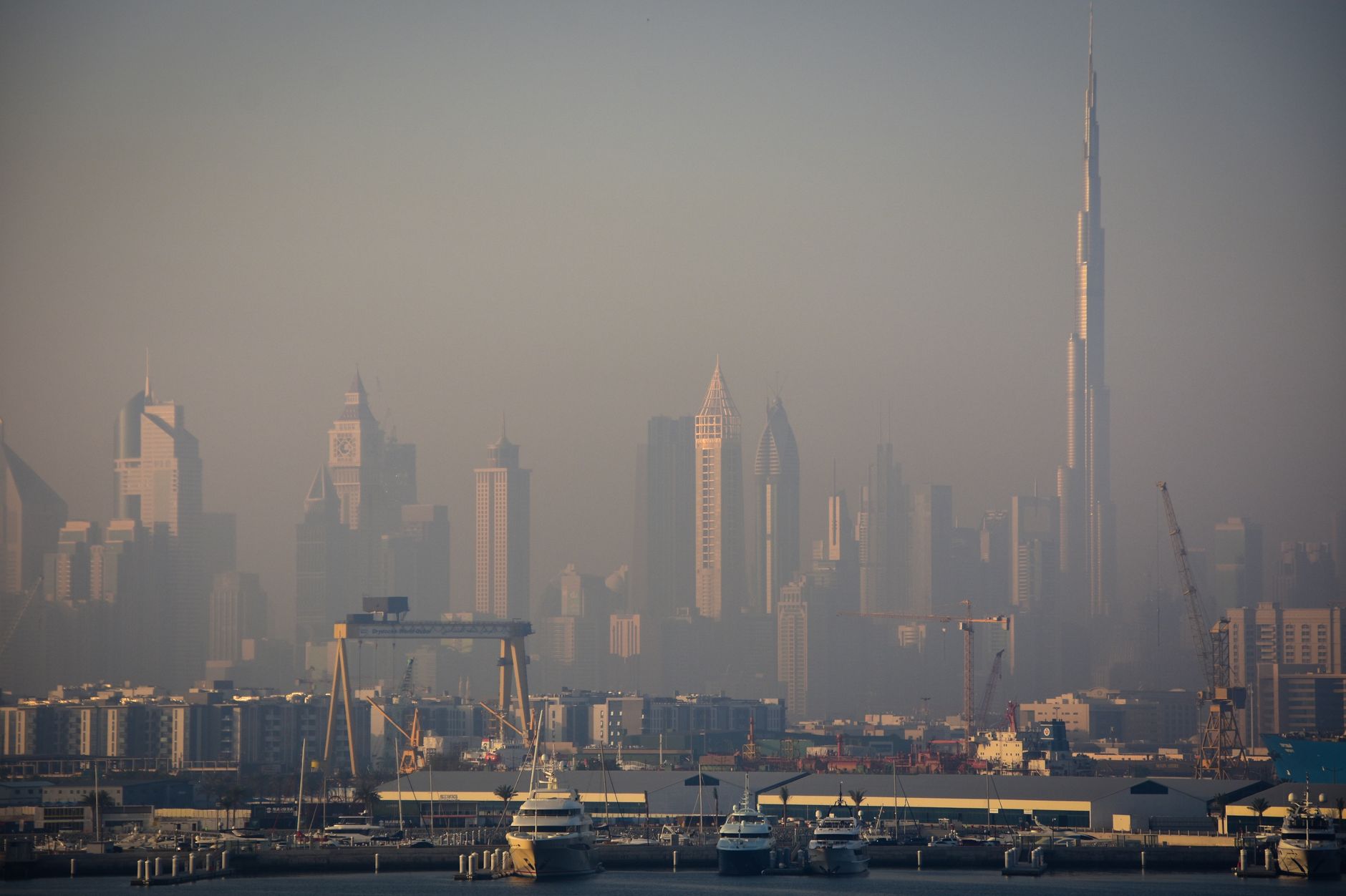
Exclusive news, data and analytics for financial market professionals Learn more about Refinitiv. ## Browse World. * Israel and Hamas at War. Image 1: A general view of the Dubai skyline, with Burj Khalifa visible in the center, amid the U.S.-Israel conflict with Iran. A general view of the Dubai skyline, with Burj Khalifa visible in the center, amid the U.S.-Israel conflict with Iran, in United Arab Emirates, March 6, 2026. DUBAI, March 20 (Reuters) – Dubai’s property market is beginning to show early signs of weakening nearly three weeks into the U.S.-Israeli war on Iran, with data from analysts showing tanking transaction volumes and some real estate agents pointing to price reductions. The war, and Tehran’s strikes against Israel, U.S. bases and Gulf states including the United Arab Emirates, have pierced Dubai’s image as a safe haven for the world’s wealthy. For instance, a seller was looking for a "quick sale" for a property close to the Burj Khalifa – the world’s tallest building – a message shared by an agent read.
Next steps
If you want help evaluating projects, comparing returns, or building a UAE property strategy, contact David Moya Real Estate at +(971) 585893086 or info@davidmoya.org.