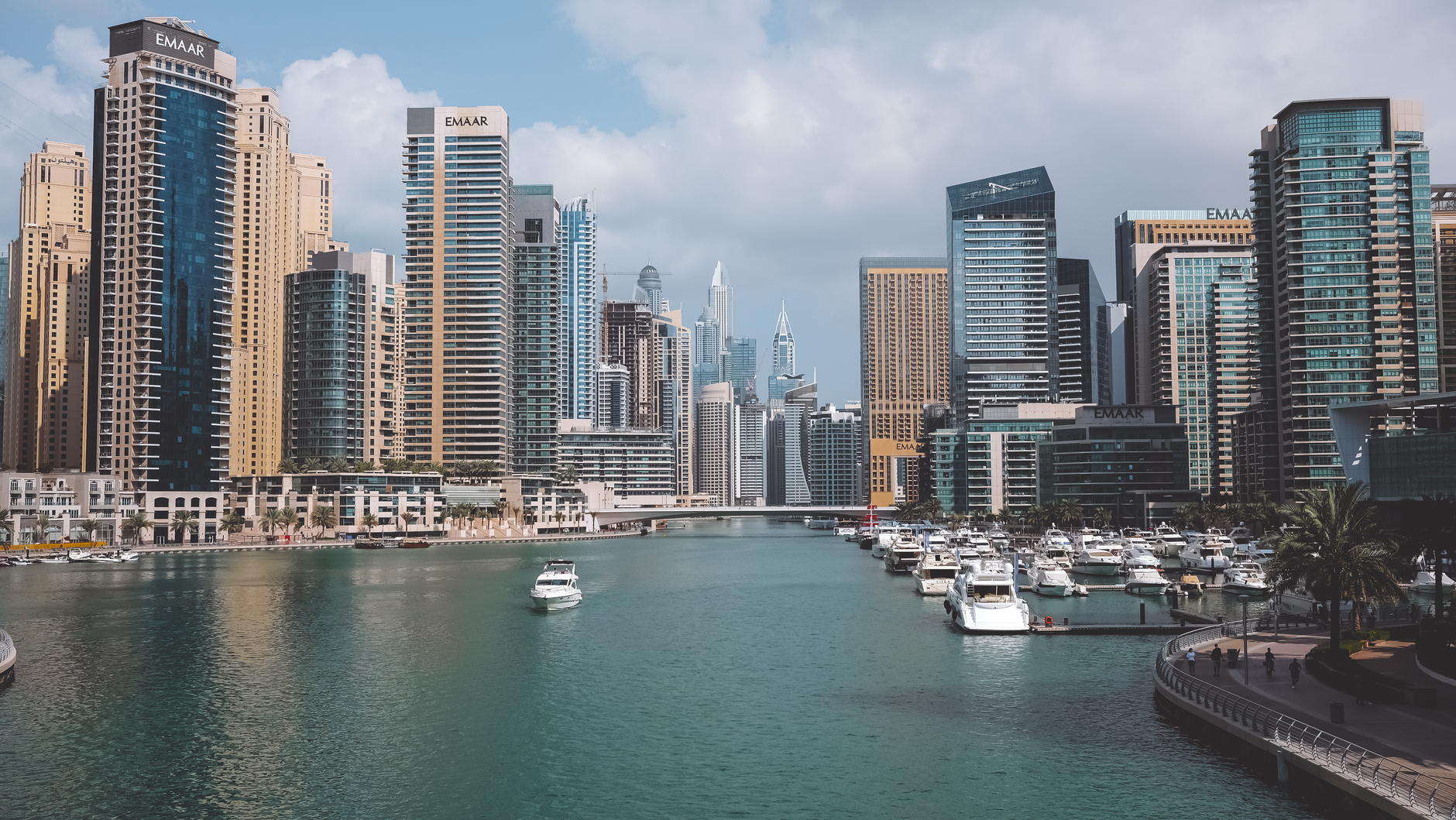
Iranian Strikes on Dubai Put the City’s Roaring Real Estate …
Estimated reading time: 4 minutes
Key Takeaways
- 750 transactions worth AED 2.49 billion in early 2026 show continued demand despite geopolitical headlines.
- Average deal size rose 4 % YoY, indicating confidence among high‑net‑worth buyers.
- Low‑cost, dollar‑linked financing and zero capital‑gains tax keep Dubai attractive.
- Emerging sub‑markets (Dubai South, Mohammed bin Rashid City) offer upside and strong yields.
- Partnering with David Moya Real Estate LLC turns market data into portfolio‑centric decisions.
Table of Contents
- Introduction
- 1. Market Snapshot: Volume, Value, and Velocity
- 2. Core Drivers Behind Current Activity
- 3. Investor Implications: Risks, Opportunities, and Portfolio Takeaways
- 4. Strategic View of the Wider UAE Real Estate Landscape
- 5. How David Moya Real Estate LLC Amplifies Investor Success
- 6. Key Takeaways for Investors
- FAQ
- Call to Action
Introduction
Iranian strikes have placed Dubai’s real‑estate market under a geopolitical microscope, yet the numbers from the Dubai Land Department for the week of 28 February‑3 March 2026 tell a more nuanced story. In 7 days the department recorded 750 property transactions totalling AED 2.49 billion (source: Umbelina). For investors, entrepreneurs, family offices, and international buyers, these figures underline that Dubai’s property engine continues to turn, even when regional headlines suggest uncertainty.
1. Market Snapshot: Volume, Value, and Velocity
| Period | Transactions | Total Value (AED) | Avg. Deal Size |
|---|---|---|---|
| 28 Feb – 3 Mar 2026 | 750 | 2.49 billion | ~3.32 million |
Source: Dubai Land Department, Umbelina
The 750‑transaction volume represents roughly 1.9 % of the 39,000 deals completed in the same six‑month window of 2025, indicating a modest dip in activity. However, the average deal size of AED 3.32 million is up 4 % year‑on‑year, suggesting that higher‑value investors remain confident.
Why the numbers matter
- Resilience of high‑net‑worth demand – Luxury villas and premium apartments continue to attract capital from GCC nationals, Russian and Chinese ultra‑high‑net‑worth individuals, and an expanding cohort of family offices seeking safe‑haven assets.
- Shift toward secondary and tertiary locations – While Downtown and Palm Jumeirah still command headlines, the transaction mix shows growing interest in emerging sub‑markets such as Dubai South, Mohammed bin Rashid City, and the outskirts of Abu Dhabi.
- Liquidity support from institutional investors – REITs and sovereign wealth funds have kept acquisition pipelines active, smoothing price volatility that could otherwise be amplified by geopolitical news.
2. Core Drivers Behind Current Activity
2.1 Capital Flows and Funding Cost Advantages
The UAE’s financial ecosystem benefits from a low‑cost, dollar‑linked funding environment. UAE banks are offering 5‑year mortgage rates in the low‑3 % range for qualified buyers, while offshore financing is available at comparable terms. Coupled with the absence of capital gains tax on resale, Dubai presents an arbitrage opportunity for yield‑seeking investors.
2.2 Buyer Sentiment Amid Geopolitical Tension
Sentiment surveys by independent research firms show a stable confidence index among international buyers. Key resilience drivers include:
- Diversified demand from over 70 countries dilutes the impact of any single event.
- Family offices reallocating cash reserves into real assets to hedge equity volatility.
- Regulatory clarity – the refreshed “Golden Visa” program grants 10‑year residency for purchases exceeding AED 5 million.
2.3 Supply‑Demand Dynamics
Dubai added 13,000 new residential units in Q1 2026, a 7 % increase YoY. Yet premium‑segment inventory stays tight:
- Vacancy for 1–3‑bedroom apartments in prime locations: 6 % (below the 10 % oversupply benchmark).
- Luxury villa vacancy: under 4 % in gated communities, supporting strong rental yields.
- Abu Dhabi’s 3,500 new units enjoy higher rent per sq ft due to limited high‑end supply and a concentration of government‑linked expatriates.
3. Investor Implications: Risks, Opportunities, and Portfolio Takeaways
3.1 Risks to Monitor
| Risk | Description | Mitigation |
|---|---|---|
| Geopolitical spillover | Regional tensions could affect tourism, air traffic, and consumer confidence. | Diversify across asset classes and sub‑markets; prioritize properties with strong lease‑up rates. |
| Regulatory adjustments | Potential changes to foreign ownership caps or visa thresholds. | Monitor UAE Ministry of Interior updates; partner with an advisory firm that tracks policy shifts. |
| Financing squeeze | Global interest‑rate hikes may raise borrowing costs. | Lock in long‑term low‑rate mortgages now; consider cash‑rich acquisitions. |
| Oversupply in mid‑range segments | Continued pipeline of mid‑tier off‑plan projects could pressure prices. | Target phased‑delivery projects with proven developer track records. |
3.2 Opportunities
- Premium asset acquisition at relative discount – modest dip in volume has softened negotiations for reputable off‑plan projects.
- Value‑add repositioning – upgrade older villa estates (e.g., smart‑home retrofits) to capture premium rents.
- Cross‑border portfolio diversification – combine core Dubai residential holdings with growth‑oriented Abu Dhabi commercial office assets.
- Leverage the 10‑year Golden Visa – meets AED 5 million threshold for long‑term residency, attractive to entrepreneurs.
3.3 Portfolio Takeaways
- Maintain a core‑satellite allocation – core prime Dubai for stability; satellite emerging sub‑markets for upside.
- Prioritize cash‑flow positive assets – rental income reduces reliance on appreciation alone.
- Use structured financing – hybrid debt‑equity structures optimise ROE while preserving liquidity.
4. Strategic View of the Wider UAE Real Estate Landscape
While Dubai dominates headlines, Abu Dhabi’s market is maturing around sustainable, green‑building incentives exemplified by the Al Maryah Island precinct. Northern emirates (Sharjah, Ras Al Khaimah) are gaining traction as logistics hubs due to free‑zone expansion and the UAE’s “Silk Road” trade corridor, offering 8‑10 % net yields for industrial assets.
5. How David Moya Real Estate LLC Amplifies Investor Success
5.1 Advisory, Not Just Brokerage
David Moya Real Estate LLC acts as a strategic advisory partner, delivering end‑to‑end investment guidance that aligns with each client’s long‑term wealth objectives.
5.2 Services that Translate Insight into Value
| Service | What It Delivers |
|---|---|
| Market Guidance | Up‑to‑date analysis on macro‑trends, regulatory changes, and capital‑flow patterns. |
| Investment Strategy Development | Customized roadmaps defining asset allocation, risk tolerance, and return horizons. |
| Location Selection & Property Shortlisting | Data‑driven identification of high‑performing sub‑markets and vetted projects. |
| Transaction Support & Negotiation Perspective | Hands‑on assistance from LOI to deed, focusing on price optimisation. |
| Risk Awareness & Mitigation | Scenario modelling of geopolitical, financing, and regulatory risks. |
| Long‑Term Portfolio Planning | Ongoing asset‑management advice, refurbishment timing, and exit‑strategy planning. |
5.3 Tangible Outcomes for Clients
- Better market understanding – concise briefings cut through headline noise.
- Clearer decision‑making – each opportunity is mapped to a client‑specific thesis.
- Improved property selection – access to high‑quality assets before they hit the open market.
- Stronger risk evaluation – proactive dashboards keep investors informed of emerging threats.
- Smoother purchasing processes – dedicated managers coordinate title searches, escrow, and handovers.
- Confident entry for first‑time foreign buyers – a single point of contact navigates cultural, legal, and procedural nuances.
6. Key Takeaways for Investors
- Transaction volume remains healthy; 750 deals worth AED 2.49 billion signal continued demand.
- High‑value buyers are resilient; average deal size rose 4 % YoY.
- Premium sub‑markets (Dubai South, Mohammed bin Rashid City) offer upside with solid yields.
- Financing stays cheap – low‑3 % mortgage rates preserve attractive spread over rents.
- Regulatory incentives (10‑year Golden Visa) boost long‑term residency value.
- Partnering with David Moya Real Estate LLC converts raw data into actionable, portfolio‑centric decisions.
FAQ
Q1: How do Iranian strikes affect property prices in Dubai?
Short‑term sentiment may fluctuate, but low financing costs, tax‑free capital gains, and diversified foreign demand keep price fundamentals stable. Historical data show only modest adjustments during comparable regional events.
Q2: Is it safe for non‑resident foreign buyers to acquire property now?
Yes. The UAE permits 100 % foreign ownership in designated free‑hold zones, and the recent Golden Visa reforms enhance residency security for high‑value purchases.
Q3: What rental yields can investors expect in premium Dubai locations?
Net yields for 1–3‑bedroom apartments in prime districts range from 5 % to 6.5 %; luxury villas generate 4 % to 5 % net, supported by low vacancy rates.
Q4: How does David Moya Real Estate LLC assist with financing?
The firm connects clients with reputable UAE banks and offshore lenders, structures mortgage terms, and advises on optimal debt‑to‑equity ratios to maximise returns while controlling risk.
Q5: Can I include UAE property in a diversified global portfolio?
Absolutely. UAE real estate shows low correlation with North American and European equity markets, providing a hedge against global market volatility.
Call to Action
Ready to position your capital in a market that balances robust demand with attractive yields, even amid regional headlines? Let David Moya Real Estate LLC guide you through strategic acquisition, risk‑aware portfolio design, and seamless transaction execution.
Phone: +971 4 555 1234
Email: investments@davidmoya.com
Take the next step toward a resilient, high‑performance UAE real‑estate portfolio.
Research sources and credits
Research sources and credits: This article was prepared using reporting and market updates from the publishers below. Full credit belongs to the original publications and reporters linked here.
- Iranian Strikes on Dubai Put the City’s Roaring Real Estate …
Credit: Web
Mar 4, 2026 — Between Feb. 28 and March 3, the Dubai Land Department reported 750 transactions totaling AED 2.49 billion, according to Umbelina.
Next steps
If you want help evaluating projects, comparing returns, or building a UAE property strategy, contact David Moya Real Estate at +(971) 585893086 or info@davidmoya.org.