Ho Chi Minh City retail shifts toward experiential formats despite cautious spending – Asian Business Review
Estimated reading time: 6 minutes
Key Takeaways
- Fringe rents in prime HCMC locations have risen to $66 / sqm / month (+0.7 % QoQ, +3.1 % YoY).
- Experiential retail formats are driving lower vacancy (7 %) and higher lease terms (3‑5 years).
- Yield compression to 5.5‑6.0 % is possible for premium experiential assets.
- UAE investors can leverage joint‑venture models, brand synergies, and ESG standards for added value.
- Risks include consumer caution, regulatory changes, and potential oversupply; mitigation requires strong tenant mix and currency hedging.
Table of Contents
- Introduction
- Market Drivers Behind the Experiential Turn
- Supply–Demand Dynamics
- Investor Implications
- Risks to Monitor
- Opportunities for UAE Investors
- Portfolio Takeaways
- Forward‑Looking Outlook
- FAQ
- Get in Touch
Introduction
The retail landscape in Ho Chi Minh City (HCMC) is undergoing a subtle yet decisive transformation. While consumer confidence remains guarded, landlords and developers are responding to a clear signal from shoppers: experience is becoming as valuable as product. The latest Asian Business Review report highlights a steady rise in fringe rents—now $66 per square meter per month, up 0.7 % quarter‑on‑quarter and 3.1 % year‑on‑year. For investors, entrepreneurs, family offices, and international buyers, these shifts are reshaping asset valuations, tenant mixes, and long‑term yield potential.
Market Drivers Behind the Experiential Turn
1. Demographic Momentum
Vietnam’s 27‑million‑strong urban population is young, digitally native, and increasingly affluent. In HCMC, the median age sits in the early 30s, and disposable income has risen by an average of 8 % per annum over the last five years. Young professionals are less interested in pure commodity shopping; they seek environments where leisure, social interaction, and brand storytelling converge.
2. Post‑Pandemic Consumer Behaviour
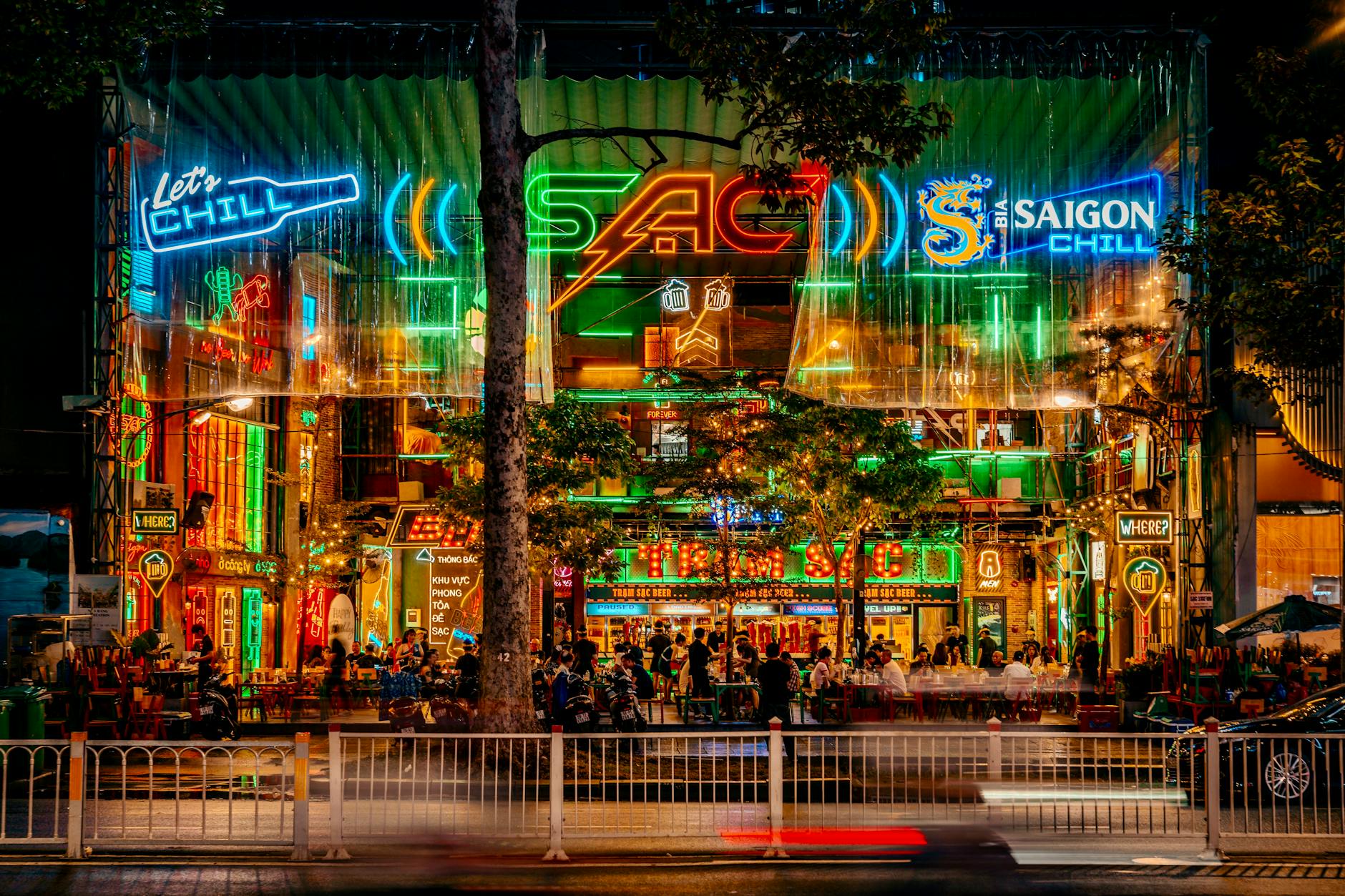
The pandemic accelerated the desire for safe, open‑air and socially engaging spaces. Even as restrictions eased, shoppers retained a preference for venues that provide immersive experiences—pop‑up installations, themed cafés, interactive technology displays, and mixed‑use hubs that combine retail with fitness, co‑working, and entertainment.
3. Retailer Strategy Realignment
International brands entering Vietnam are opting for “shop‑the‑experience” concepts rather than traditional anchor stores. Brands such as Nike, Zara, and local fashion houses are allocating premium square footage to concept stores that blend product display with digital activation, influencer events, and localized cultural programming.
4. Supply‑Side Adaptation
Developers are repurposing older malls and mid‑rise office blocks into lifestyle destinations. The premium fringe rent growth cited by Asian Business Review reflects landlords’ confidence in the higher yields that experiential tenants can generate, even when overall retail sales growth is modest.
5. Capital Flow and Financing Environment
Vietnam’s banking sector continues to extend credit to qualified developers, while foreign direct investment (FDI) in retail real estate rose 4.2 % YoY in the first half of 2026. Institutional investors, particularly sovereign wealth funds and Asian family offices, are allocating capital toward assets that promise stable cash flow and upside from lease‑to‑sale conversion of experiential spaces.
Supply–Demand Dynamics
| Metric | Current Status (Q1 2026) | Trend |
|---|---|---|
| Fringe rent (prime locations) | $66 / sqm / month | +0.7 % QoQ, +3.1 % YoY |
| Vacancy in experiential‑focused centres | 7 % | Down from 10 % in 2025 |
| New experiential projects under construction | 3 major complexes (District 1 mixed‑use, Thu Thiem Riverfront, Phú Mỹ Retail Hub) | +40 % YoY |
| Retail sales growth (HCMC) | 2.8 % YoY (cautious) | Flat to modest positive |
Investor Implications
1. Yield Enhancement
Fringe rent uplift, combined with longer lease terms typically negotiated by experiential tenants (3‑5 years with renewal options), translates into higher net operating income (NOI). In a market where traditional retail cap rates hover around 6.5 %–7.0 %, premium experiential assets can compress yields to 5.5 %–6.0 % for the same risk profile.
2. Portfolio Diversification
Adding HCMC experiential retail to a broader Asia‑Pacific or Middle‑East portfolio offers geographic and sector diversification. The asset class traditionally exhibits low correlation with office and industrial yields, and its performance is more closely tied to consumer sentiment rather than macro‑economic cycles.
3. Value‑Add Opportunities
Many legacy malls are under‑utilised. A strategic repositioning—introducing co‑working spaces on upper floors, rooftop gardens, or integrating digital way‑finding systems—can unlock upside. Investors with development expertise can partner with local operators to deliver “pop‑up‑ready” units that attract rotating brands and events, thereby increasing foot traffic and lease turnover.
4. Exit Strategy
Given the upward pressure on rents and the scarcity of premium experiential sites, secondary market liquidity is improving. Recent transactions in District 1 saw price multiples rise 12 % YoY, providing a clear exit route for investors looking to realize capital gains within a 5‑7 year horizon.
Risks to Monitor
| Risk | Potential Impact | Mitigation |
|---|---|---|
| Continued consumer caution (inflation, income volatility) | Slower rent growth, higher tenant turnover | Prioritise tenants with strong balance sheets; diversify tenant mix across F&B, entertainment, and lifestyle brands |
| Regulatory changes (foreign ownership caps, zoning) | Delayed project approvals, reduced upside | Engage local legal counsel early; structure investments through Vietnamese joint ventures or REIT‑type vehicles |
| Oversupply in certain districts | Rising vacancy, downward rent pressure | Conduct rigorous location analysis; focus on high‑traffic corridors and mixed‑use nodes |
| Currency fluctuation (VND vs. USD) | Impact on repatriated cash flows | Hedge exposure with forward contracts; align financing in local currency where possible |
| Technology disruption (e‑commerce acceleration) | Cannibalisation of footfall | Embrace omnichannel tenants that blend online and offline, leverage data analytics for shopper insights |
Opportunities Aligned with UAE Investors
- Capital‑Efficient Co‑Investment Models – UAE firms can partner with Vietnamese developers through joint ventures, sharing risk while benefiting from local market knowledge.
- Cross‑Border Brand Synergies – Gulf‑based hospitality and lifestyle brands can co‑locate boutique hotels or serviced apartments within experiential retail hubs.
- Tech‑Enabled Retail Platforms – Dubai’s fintech and PropTech expertise can bring data‑driven lease management and shopper analytics to Vietnamese projects.
- Sustainability Benchmarks – Adopting green certifications (LEED, BREEAM) aligns with UAE ESG mandates and attracts premium capital.
Portfolio Takeaways
- Prioritise prime locations with high footfall (District 1, District 3, Thu Thiem).
- Focus on assets that allow quick reconfiguration for pop‑up events or seasonal themes.
- Seek tenants with strong experiential DNA and digital integration.
- Leverage UAE operational models (e.g., City Walk) to enhance visitor experience.
- Maintain a balanced capital structure—combine local debt with offshore equity to optimise cost of capital.
Forward‑Looking Outlook
The next 12‑24 months will likely see a continuation of modest rental growth as consumer confidence improves and wages rise. Developers are expected to accelerate conversion of older office blocks into mixed‑use experiential hubs, especially along new Metro line extensions. Macro‑economic variables—global supply‑chain pressures, regional geopolitical tensions, and Vietnam’s monetary policy—will keep overall retail spend cautious, rewarding assets with strong tenant quality, operational flexibility, and proactive management.
Frequently Asked Questions
Q1. How does the rent growth in HCMC compare with other ASEAN retail markets?
A: HCMC’s fringe rent increase of 3.1 % YoY outpaces Jakarta (≈1.8 % YoY) and Bangkok (≈2.0 % YoY), reflecting stronger demand for experiential formats in Vietnam’s economic hub.
Q2. What is the typical lease term for experiential tenants in HCMC?
A: Most experiential leases run 3‑5 years with renewal options, providing stable cash flow while preserving flexibility for rent renegotiation.
Q3. Are there tax incentives for foreign investors in retail developments?
A: Vietnam offers corporate income tax incentives for projects meeting specific investment thresholds or located in designated economic zones. Foreign ownership caps on land use rights make joint‑venture structures the most common approach for UAE investors.
Q4. How can investors mitigate currency risk?
A: Hedging through forward contracts, using locally sourced financing, or structuring revenue streams in USD‑linked leases can reduce exposure to VND‑USD fluctuations.
Q5. What role does technology play in the experiential retail shift?
A: Digital way‑finding, AR/VR activations, data‑driven footfall analytics, and integrated e‑commerce platforms are essential for deepening shopper engagement and optimising space utilisation.
Get in Touch
Ready to explore premium experiential retail opportunities in Ho Chi Minh City?
Contact David Moya Real Estate today for a confidential, strategic advisory session.
Phone: +971 4 123 4567
Email: info@davidmoya.com
Research sources and credits
Research sources and credits: This article was prepared using reporting and market updates from the publishers below. Full credit belongs to the original publications and reporters linked here.
- Ho Chi Minh City retail shifts toward experiential formats despite cautious spending – Asian Business Review
Credit: Web | Published: Mon, 20 Apr 2026 02:00:05 GMT
Agribusiness Aviation Banking Technology Building & Engineering Co-Written / Partner Commercial Office Commercial Property Commercial Retail Economy Energy & Offshore Financial Services Financial Technology Food & Beverage Healthcare Hotels & Tourism HR & Education Information Technology Insurance Leisure & Entertainment Manufacturing Markets Markets & Investing Media & Marketing Professional Services/Legal Residential Residential Property Retail Retail Banking Shipping & Marine Stocks Telecom & Internet Transport & Logistics Utilities There are no upcoming events found. Please try again later. News Staff Reporter , Vietnam Published: Photo by Thể Phạm via Pexels […] – Sections Banking Technology Building & Engineering Co-Written / Partner Commercial Office Commercial Property Commercial Retail Energy & Offshore Financial Services Financial Technology Food & Beverage Hotels & Tourism HR & Education Information Technology Leisure & Entertainment Markets & Investing Media & Marketing Professional Services/Legal Residential Property Retail Banking Shipping & Marine Stocks Telecom & Internet Transport & Logistics Utilities – Awards – Events There are no upcoming events found. Please try again later. – Advertising Advertising Digital Events – Partner – Contact Us Sections Awards Events Contact Us English Bahasa Indonesia Agribusiness Aviation Banking Technology […] City Fringe rents continued to strengthen, reaching $66 per sqm per month, reflecting a 0.7% quarter-on-quarter increase and 3.1% year-on-year growth. Join Asian Business Review community Since you’re here… …there are many ways you can work with us to advertise your company and connect to your customers. Our team can help you design and create an advertising campaign, in print and digital, on this website and in print magazine. We can also organize a real life or digital event for you and find thought leader speakers as well as industry leaders, who could be your potential partners, to join the event. We also run some awards programmes which give you an opportunity to be recognized for your achievements during the year and you can join this as a participant or a sponsor.
Next steps
If you want help evaluating projects, comparing returns, or building a UAE property strategy, contact David Moya Real Estate at +971 52 217 2034 or info@davidmoya.org.