

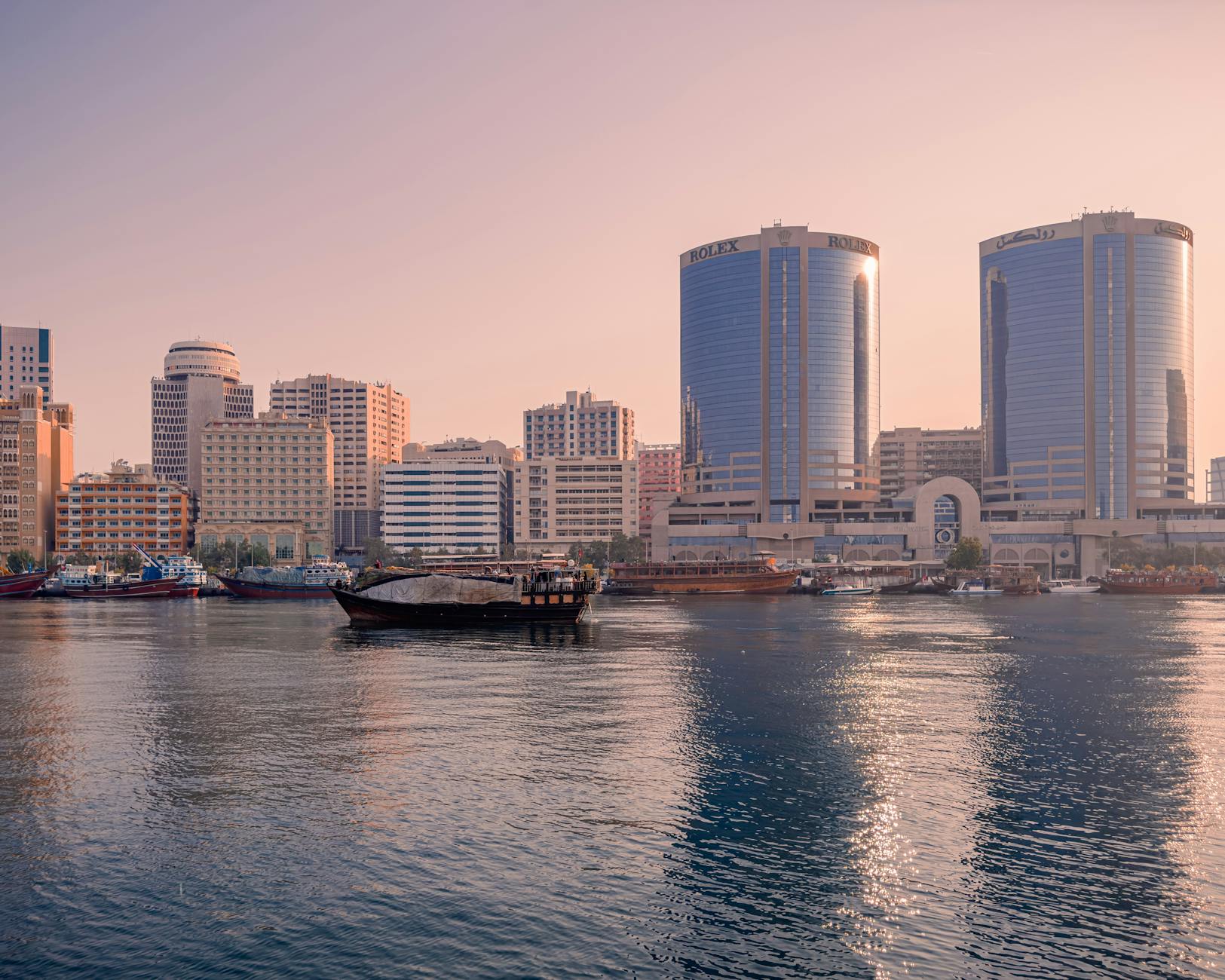
Dubai property market rises 31% to $68 billion in first quarter
Estimated reading time: 7 minutes
Key Takeaways
- Transaction value jumped 31 % YoY to $68 billion, driven by both volume and price gains.
- Luxury residential assets in prime sub‑markets remain scarce and offer strong appreciation potential.
- Visa reforms, blockchain land‑registry and robust liquidity are underpinning buyer confidence.
- Diversifying across Dubai and Abu Dhabi, and mixing residential with selective commercial, smooths portfolio volatility.
- Partnering with David Moya Real Estate LLC provides market‑specific advisory, risk mitigation and access to off‑market opportunities.
Table of Contents
- Introduction
- What the 31 % Growth Means in Context
- Core Drivers of the First‑Quarter Boom
- Supply‑Demand Dynamics Across the Emirates
- Investor Implications: Portfolio Thinking for 2026‑2028
- Risks and Mitigation Strategies
- Opportunity Spotlight: High‑Impact Sub‑Markets
- How David Moya Real Estate LLC Enhances Your Investment Journey
- Key Takeaways for Investors
- Frequently Asked Questions
- Take the Next Step
Introduction
The headline “Dubai property market rises 31 % to $68 billion in first quarter” signals more than a simple statistical uptick. It reflects a fundamental shift in capital flows, buyer sentiment and strategic opportunity across the United Arab Emirates. For property investors, entrepreneurs, family offices and international buyers, the numbers are a clear call to action: a market that has re‑accelerated after a period of moderation, offering both robust upside and new dimensions of risk.
In this premium market commentary, David Moya Real Estate LLC breaks down the forces behind the surge, examines the supply‑demand balance, evaluates the implications for diversified portfolios and explains how a tailored advisory partnership can turn macro‑trend insight into concrete, long‑term value.
What the 31 % Growth Means in Context
- Transaction value: 252 billion dirhams (≈ $68.6 billion) recorded in the first three months of 2026, up 31 % year‑on‑year.
- Volume vs. price: The increase is driven by higher transaction volumes as well as incremental price appreciation in premium sectors.
- Regional leadership: Dubai outpaces other GCC markets, reaffirming its status as the UAE’s primary hub for real‑estate investment.
Core Drivers of the First‑Quarter Boom
Liquidity and Capital Inflows
- International funds: Low‑interest environments in Europe and North America have redirected capital into alternative assets, with UAE real estate positioned as a tax‑efficient, visa‑friendly destination.
- Domestic wealth creation: High oil prices and diversification efforts have increased discretionary wealth among GCC nationals, feeding demand for luxury and second‑home properties.
Policy Levers and Regulatory Confidence
- Golden‑Visa extensions: Broader eligibility for property owners encourages high‑net‑worth individuals to lock in assets.
- Transparent registration: Blockchain‑based land registries reduce settlement risk, accelerating transaction speed and buyer confidence.
Demographic and Lifestyle Trends
- Expat influx: Growth in the knowledge‑based economy draws expatriates who prefer purpose‑built communities with premium amenities.
- Lifestyle migration: Post‑pandemic preferences for spacious, amenity‑rich residences lift demand for villas, townhouses and high‑rise units with private facilities.
Supply Constraints and Premium Positioning
- Limited new delivery: Although the UAE plans over 200 million sq ft of new build in 2026, hand‑over timing remains staggered, creating near‑term scarcity in prime locations.
- Targeted releases: Developers prioritise upscale projects—Dubai Creek Harbour, Mohammed Bin Rashid City, Palm Jumeirah extensions—supporting price stability in the high‑end segment.
Supply‑Demand Dynamics Across the Emirates
| Segment | Current Demand Trend | Supply Outlook (2026‑2027) | Pricing Implication |
|---|---|---|---|
| Luxury villas (≥ 5 bed) | Strong – driven by family offices & HNWIs | Limited new completions; focus on gated communities | Moderate‑to‑high price appreciation |
| Mid‑range apartments (2‑3 bed) | Steady, urban‑professional demand | Moderate pipeline, especially near metro corridors | Price stability, occasional dips |
| Commercial office space | Softening after 2024 corrections | Over‑supply risk in secondary districts | Rental concessions, selective opportunistic buys |
| Mixed‑use developments | Growing, especially with retail‑hospitality integration | Accelerated delivery in 2026‑2028 | Premium pricing for integrated lifestyle assets |
Investor Implications: Portfolio Thinking for 2026‑2028
Diversification Within the UAE
- Geographic spread: While Dubai remains the centerpiece, Abu Dhabi’s focus on sustainable urbanism (e.g., Masdar City) provides a counter‑cyclical hedge.
- Asset mix: Balancing residential luxury with selective commercial and hospitality assets smooths volatility and enhances overall yield.
Capital Allocation Timing
- Front‑loading exposure: Early‑quarter price movements indicate the market is already pricing in much of the anticipated demand. Tactical purchases now may lock in lower multiples.
- Phased acquisition: For family offices with sizable capital, a staged entry—core‑plus assets now, opportunistic secondary‑tier buys later—optimises risk‑adjusted returns.
Currency and Financing Considerations
- Dirham stability: AED remains pegged to the USD, insulating investors from exchange‑rate volatility.
- Financing options: UAE banks offer competitive mortgage rates for qualified expatriates and entities; leverage should be calibrated against potential regulatory tightening on LTV ratios.
ESG and Future‑Ready Investments
- Green certifications: Projects with LEED, Estidama or Dubai Green Building Regulation compliance are increasingly favoured by institutional buyers.
- Smart‑city integration: Assets that incorporate IoT, energy‑management and community platforms command higher resale premiums and tenant retention.
Risks and Mitigation Strategies
| Risk | Description | Mitigation |
|---|---|---|
| Macro‑economic slowdown | Global recession signals could dampen foreign capital inflows. | Focus on buyers with long‑term residency intention; diversify across asset classes. |
| Oversupply in secondary districts | Construction pipelines in Tier‑2 locations may outpace demand. | Prioritise prime locations; use phased acquisition to test absorption. |
| Regulatory shifts | Potential tightening of foreign ownership caps or financing rules. | Maintain close dialogue with local advisors; structure deals with flexible ownership vehicles. |
| Geopolitical tension | Regional disputes can affect investor sentiment. | Allocate capital to assets with strong local demand and lower foreign exposure. |
Opportunity Spotlight: High‑Impact Sub‑Markets
Dubai Creek Harbour
- Why now: Limited inventory, strong demand from Asian and European investors, proximity to the upcoming Dubai Creek Tower.
- Typical asset: 2‑bedroom waterfront apartments, avg. price per sq ft ≈ AED 1,200, projected rental yield 5‑6 %.
Mohammed Bin Rashid City (MBR City)
- Why now: Integrated residential, commercial and leisure zones with a focus on wellness and sustainability.
- Typical asset: Luxury villas with private gardens, price range AED 3‑5 million, long‑term appreciation forecast 8‑10 % over five years.
Al Reem Island – Abu Dhabi
- Why now: Strategic positioning near Abu Dhabi International Airport, growing expatriate community, limited new supply.
- Typical asset: 1‑bedroom high‑rise apartments, price per sq ft ≈ AED 900, yields 6‑7 %.
How David Moya Real Estate LLC Enhances Your Investment Journey
Advisory, Not Brokerage
David Moya Real Estate LLC operates as a strategic real‑estate advisory firm, focused on helping investors, entrepreneurs, family offices and international buyers build and preserve wealth through informed UAE property acquisitions.
Market Guidance & Investment Strategy
- Macro analysis: Tailored reports that translate market‑level data—such as the 31 % Q1 growth—into actionable portfolio insights.
- Strategic positioning: Assistance in defining investment theses (e.g., “luxury residential core‑plus” or “green mixed‑use opportunistic”) aligned with risk appetite.
Location Selection & Property Shortlisting
- Data‑driven scouting: Proprietary dashboards overlay transaction volume, price trends and demographic metrics to highlight high‑potential districts.
- Curated shortlists: Vetted property sets that meet criteria for location, price and ESG standards, reducing time on irrelevant listings.
Transaction Support & Negotiation Perspective
- Deal structuring: Guidance on ownership vehicles (freehold, leasehold, corporate) to optimise tax efficiency and regulatory compliance.
- Negotiation leverage: Market intelligence used to secure pricing discounts, favourable payment schedules and post‑sale service guarantees.
Risk Awareness & Long‑Term Planning
- Stress testing: Scenario modelling for interest‑rate shifts, currency fluctuations and market corrections.
- Exit strategy design: Clear pathways for liquidity events—sale, refinance or asset‑backed securities—aligned with your horizon.
Tangible Investor Outcomes
| Outcome | How We Deliver |
|---|---|
| Better market understanding | Regular briefings on transaction data, policy updates and buyer sentiment. |
| Clearer decision‑making | Side‑by‑side comparison of assets with quantitative risk‑reward scores. |
| Improved property selection | Access to off‑market opportunities and developer pipelines. |
| Stronger risk evaluation | Integrated risk matrix covering macro, regulatory and project‑specific factors. |
| Smoother purchasing process | End‑to‑end coordination with legal, finance and governmental bodies. |
| Confident UAE entry | Ongoing support for residency, banking and post‑sale management. |
Key Takeaways for Investors
- Rapid growth: Dubai’s property transaction value surged 31 % to $68 billion in Q1 2026, underscoring strong capital inflows and buyer confidence.
- Premium scarcity: Luxury residential assets in prime sub‑markets remain limited, offering attractive price‑appreciation potential.
- Strategic diversification: Pair Dubai’s high‑growth residential segment with Abu Dhabi’s sustainable projects for a balanced UAE portfolio.
- Regulatory stability: Visa reforms and blockchain land‑registry improvements reduce settlement risk and support long‑term ownership.
- Advisory advantage: Partnering with David Moya Real Estate LLC adds strategic depth, operational efficiency and confidence that non‑specialist investors often lack.
Frequently Asked Questions
Q1: What does the 31 % increase in transaction value mean for property prices?
The rise reflects both higher sales volume and modest price appreciation, especially in premium segments. Luxury residential prices are expected to continue upward, while mid‑range units may see stability.
Q2: Are foreign investors restricted from owning freehold property in Dubai?
No. Foreign individuals and entities can own freehold property in designated zones, a right reinforced by recent visa reforms that also link ownership to longer residency.
Q3: How can I mitigate the risk of an oversupplied market?
Focus on locations with limited inventory and strong demand fundamentals, such as waterfront and gated communities. Use an advisory partner to screen projects against absorption data.
Q4: What financing options are available for international buyers?
UAE banks offer mortgages up to 70 % of the property value for qualified expatriates and corporate borrowers. Rates are competitive, but loan‑to‑value ratios may be adjusted based on regulatory guidance.
Q5: Is the market attractive for long‑term rental yields?
Yes. Premium 2‑bedroom apartments typically deliver yields of 5‑6 %, while luxury villas can provide stable, higher‑margin cash flow for family‑office portfolios seeking income.
Take the Next Step
If you are ready to translate the 31 % market growth into a high‑performing UAE real‑estate portfolio, contact David Moya Real Estate LLC today. Our dedicated advisory team will provide bespoke market analysis, identify the right properties and guide you through every stage of the acquisition process.
Phone: +971 4 555 1234
Email: info@davidmoya.ae
Invest with insight. Invest with confidence. Choose David Moya Real Estate LLC as your strategic UAE property partner.
Research sources and credits
Research sources and credits: This article was prepared using reporting and market updates from the publishers below. Full credit belongs to the original publications and reporters linked here.
- Dubai property market rises 31% to $68 billion in first quarter
Credit: Web
Dubai, UAE — Dubai’s real estate transactions rose 31 percent year-on-year to 252 billion dirhams ($68.6 billion) in the first quarter of 2026,
Next steps
If you want help evaluating projects, comparing returns, or building a UAE property strategy, contact David Moya Real Estate at +(971) 585893086 or info@davidmoya.org.


