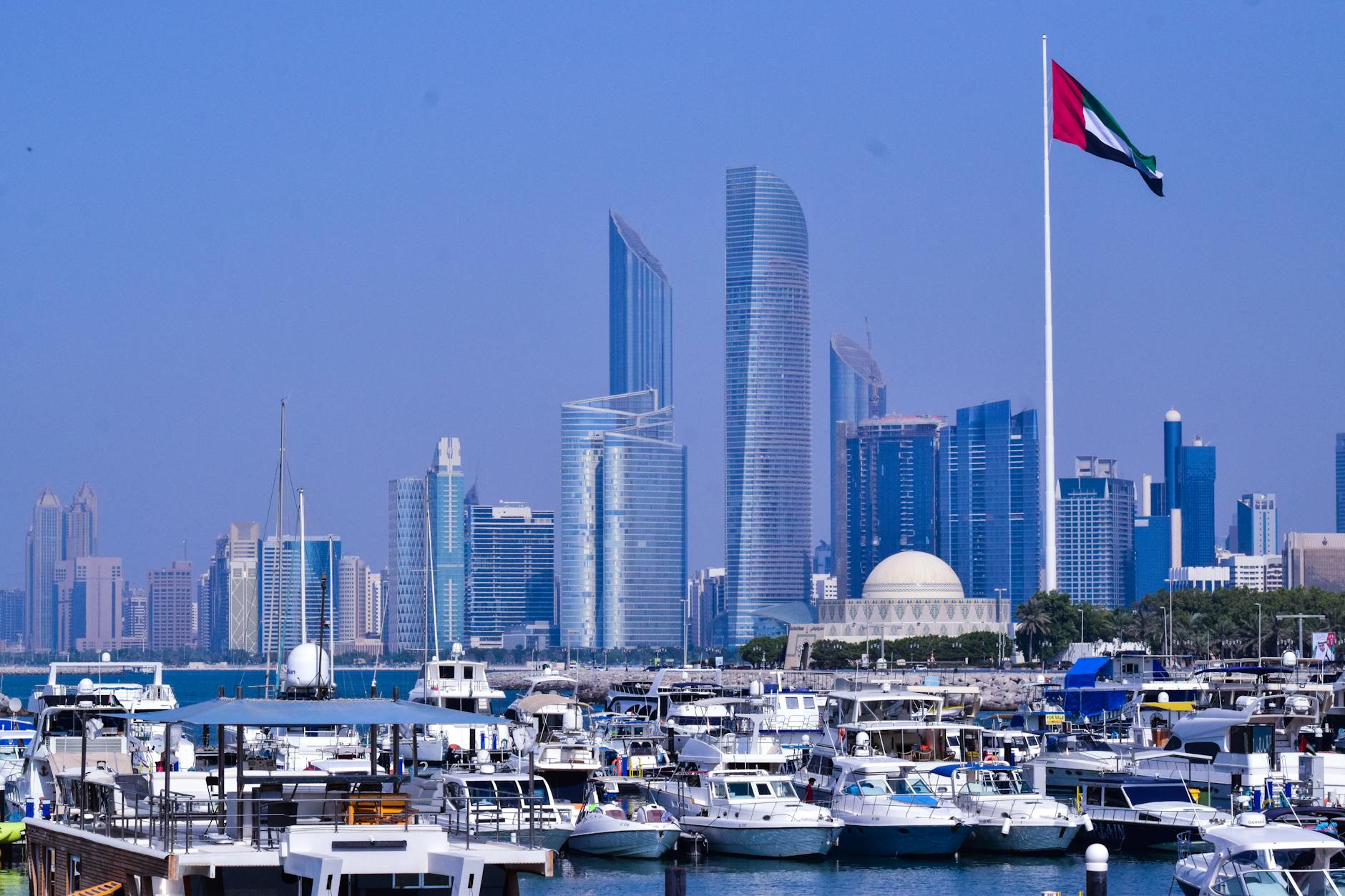
Abu Dhabi housing prices surge amid supply crunch, demand for …
Estimated reading time: 7 minutes
Key Takeaways
- Completed homes now represent ~68% of Abu Dhabi transactions, driving premium pricing.
- Supply remains constrained; new launches are limited through 2025, keeping upward pressure on values.
- Net rental yields on prime completed assets have risen to 5‑6% with vacancy below 5%.
- Family offices, international buyers, and seasoned investors benefit from lower execution risk and stronger cash‑flow profiles.
- Partnering with David Moya Real Estate LLC provides strategic advisory, market intelligence, and end‑to‑end transaction support.
Table of Contents
- Introduction
- 1. Market drivers behind the price surge
- 2. Supply‑demand equilibrium: What the numbers say
- 3. Investor implications
- 4. Risks to monitor
- 5. Opportunities emerging from the crunch
- 6. How David Moya Real Estate LLC amplifies investor outcomes
- 7. Comparative glance: Abu Dhabi vs. Dubai
- 8. Forward‑looking outlook (2025 and beyond)
- Frequently Asked Questions
- Take the next step
Introduction
Abu Dhabi housing prices have surged amid a pronounced supply crunch, creating a rare blend of strong buyer sentiment and limited new inventory. According to the latest Khaleej Times report, real‑estate transactions in the Emirate reached Dh 61.1 billion, with investors favouring completed homes over off‑plan projects. This shift reshapes the risk‑return profile of UAE property assets and opens new avenues for disciplined investors who can navigate scarcity, capital flows, and evolving buyer preferences.
For portfolio‑focused investors, the data signals a move away from speculative, under‑construction units toward assets that deliver immediate cash flow, proven appreciation, and lower execution risk. The following commentary dissects the drivers behind the price surge, evaluates implications for different investor archetypes, and outlines how a strategic partnership with David Moya Real Estate LLC can translate market insight into tangible portfolio value.
1. Market drivers behind the price surge
1.1 Supply‑side constraints
- Limited launches: Since 2022, new project approvals have slowed due to tighter zoning and a policy shift toward quality over quantity.
- Construction bottlenecks: Global material price inflation, labour shortages and logistical challenges have reduced the velocity of off‑plan deliveries, tightening future inventory pipelines.
1.2 Demand‑side dynamics
- Preference for ready‑made assets: Buyers gravitate toward completed apartments, townhouses and villas that can generate immediate rental income and avoid delivery risk.
- Capital inflows: Sovereign wealth funds, family offices and HNWIs continue to allocate capital to the UAE for diversification, safety and yield.
1.3 Macro‑economic backdrop
- Stable fiat and low‑interest environment: The Dirham’s peg to the US dollar and accommodative Central Bank rates keep financing costs attractive.
- Vision 2030 and Expo‑related momentum: Ongoing infrastructure projects and the legacy of Expo 2020 accelerate demand for premium living spaces near new transit corridors.
2. Supply‑demand equilibrium: What the numbers say
| Metric (2023‑24) | Abu Dhabi | Dubai (regional comparison) |
|---|---|---|
| Total transaction value | Dh 61.1 bn | Approx. Dh 95 bn |
| Share of completed‑home sales | ~68% | ~55% |
| Average price growth YoY | 7–9% | 4–6% |
| New launches (units) | 4,200 | 6,800 |
| Net vacancy (residential) | 4.2% | 6.8% |
Higher completed‑home share indicates a structural tilt toward assets that can be monetised immediately. Lower vacancy rates suggest tighter rental markets, sustaining upward pressure on both rents and capital values.
3. Investor implications
3.1 For seasoned property investors
- Yield enhancement: Completed properties now generate rents 3‑5 percentage points above historical averages, delivering net yields of 5–6% in prime locations.
- Capital appreciation: 7‑9% YoY price growth supports robust long‑term capital gains, especially in constrained districts such as Al Reem Island and Al Maryah Island.
3.2 For entrepreneurs and start‑ups
- Corporate housing demand: Influx of foreign talent fuels demand for high‑quality, move‑in‑ready apartments near business hubs.
- Flexible lease structures: Short‑term furnished units command premium rates, providing steady cash flow while the market tightens.
3.3 For family offices
- Portfolio diversification: Real assets in Abu Dhabi show low correlation to global equities, acting as an inflation hedge.
- Inter‑generational wealth preservation: High‑quality completed homes have demonstrated resilience across cycles, suitable for long‑term holdings.
3.4 For international buyers
- Regulatory clarity: Recent reforms simplify acquisition of free‑hold residential units for non‑Emirati investors.
- Currency stability: The Dirham’s peg eliminates exchange‑rate volatility for funds converted from diverse jurisdictions.
4. Risks to monitor
| Risk | Description | Mitigation |
|---|---|---|
| Over‑heating in premium segments | Concentrated demand could push prices beyond sustainable levels in prime districts. | Target diversified sub‑markets; blend premium with emerging‑area assets. |
| Policy shifts | Future tightening of foreign ownership caps or tax changes could affect returns. | Stay informed through a dedicated UAE property advisory; incorporate scenario analysis. |
| Liquidity constraints | A sudden slowdown in new launches could compress resale markets. | Prioritise assets with strong rental demand; maintain adequate cash buffers. |
| Geopolitical exposure | Regional tensions can impact investor confidence. | Diversify across Emirates; consider mixed‑use developments with resilient tenant bases. |
5. Opportunities emerging from the crunch
- Strategic acquisition of completed units: Lock in inventory before further price escalations.
- Value‑add refurbishment: Upgrade older finished properties in up‑and‑coming neighbourhoods to command premium rents.
- Joint‑venture participation: Partner with local developers on small‑scale infill projects to share construction risk.
- Green and smart‑home assets: Sustainability‑focused buildings attract premium tenants and may benefit from future incentives.
6. How David Moya Real Estate LLC amplifies investor outcomes
6.1 Advisory, not brokerage
David Moya Real Estate LLC positions itself as a strategic real‑estate advisory rather than a conventional listing service, crafting tailored acquisition strategies aligned with long‑term portfolio objectives.
6.2 End‑to‑end market guidance
- Market intelligence: Proprietary data and on‑the‑ground insights translate macro trends into actionable recommendations.
- Location selection: Mapping demand drivers (business districts, transport hubs, cultural amenities) to pinpoint high‑yield micro‑markets.
- Property shortlisting: Curated sets of completed homes that meet price, rental potential and risk criteria, saving time and reducing analysis paralysis.
6.3 Transaction support and negotiation
- Due‑diligence facilitation: Comprehensive legal, title and financial checks protect buyer interests.
- Negotiation perspective: Deep market pricing knowledge secures value‑added pricing and favourable payment structures.
6.4 Risk awareness and portfolio planning
- Risk evaluation: Clarifies exposure to market cycles, regulatory changes and liquidity constraints.
- Long‑term portfolio architecture: Integrates Abu Dhabi assets with broader UAE holdings for a balanced, resilient portfolio.
6.5 Tangible investor benefits
- Better market understanding through concise, data‑driven briefings.
- Clearer decision‑making with structured recommendations.
- Improved property selection that reduces over‑paying risk.
- Stronger risk evaluation via scenario modelling and stress‑testing.
- Smoother purchasing process—financing, title transfer, and post‑sale support.
- Confidence in UAE entry through expertise on residency, ownership and tax frameworks.
7. Comparative glance: Abu Dhabi vs. Dubai
Abu Dhabi’s price trajectory currently outpaces Dubai’s, yet both Emirates offer complementary opportunities. Dubai’s higher volume of off‑plan projects provides lower entry prices but greater delivery risk, whereas Abu Dhabi’s focus on completed homes offers immediate cash flow and lower execution risk—making it the preferred choice for capital‑preservation strategies.
A balanced UAE exposure can combine a core position in Abu Dhabi’s premium completed inventory with a growth‑oriented slice of Dubai’s emerging developments, optimising both yield and capital appreciation potential.
8. Forward‑looking outlook (2025 and beyond)
- Supply gap persistence: Government plans to modestly increase launches are unlikely to close the deficit until 2025‑2026, keeping upward price pressure.
- Rent growth trajectory: Vacancy rates below 5% support annual rent increases of 4‑6%.
- Policy environment: Anticipated refinements to foreign ownership rules may further open the market to institutional investors.
- Infrastructure upgrades: New metro extensions and road upgrades around Al Reem Island and Al Maryah District will expand catch‑ment areas for premium residential units, underpinning long‑term appreciation.
Strategic investors who secure completed properties now can lock in advantageous pricing before the next supply wave materialises, positioning themselves for both short‑term income and long‑term capital gains.
Frequently Asked Questions
Q1: Why are completed homes commanding higher prices than off‑plan units in Abu Dhabi?
Buyers value the certainty of immediate occupation, rental income and the avoidance of construction delays. The current supply crunch further limits the number of ready‑made units, driving up their market value.
Q2: Can international buyers purchase free‑hold residential property in Abu Dhabi?
Yes. Recent regulatory reforms allow non‑UAE nationals to own free‑hold units in designated zones, simplifying acquisition for international investors.
Q3: How does the current vacancy rate affect rental yields?
Vacancy in Abu Dhabi’s premium residential market sits around 4.2%, keeping demand tight and enabling landlords to command higher rents, which boosts net yields to 5‑6% on completed assets.
Q4: What role does David Moya Real Estate LLC play in financing arrangements?
The advisory assists clients in identifying suitable lenders, structuring mortgage terms and aligning financing costs with cash‑flow projections, ensuring the investment remains financially viable.
Q5: Should I consider a mixed‑city strategy across Abu Dhabi and Dubai?
A diversified approach can balance Abu Dhabi’s stability and yield with Dubai’s growth potential from new developments. David Moya Real Estate LLC can help design a city‑mix allocation that matches your risk tolerance and return objectives.
Take the next step
The Abu Dhabi housing market is at a pivotal juncture—prices are rising, inventory is tight, and sophisticated investors are re‑calibrating toward completed, income‑generating assets. To capitalize on this environment, partner with a seasoned advisory that translates market insight into strategic advantage.
Contact David Moya Real Estate LLC today to schedule a personalised market briefing, receive curated property shortlists, and begin building a resilient UAE real‑estate portfolio.
Phone: +971 2 555 1234
Email: info@davidmoya.com
Research sources and credits
Research sources and credits: This article was prepared using reporting and market updates from the publishers below. Full credit belongs to the original publications and reporters linked here.
- Abu Dhabi housing prices surge amid supply crunch, demand for …
Credit: Web
Capital’s real estate transactions hits Dh61.1 billion, with buyers favouring completed homes over off-plan projects amid limited launches
Next steps
If you want help evaluating projects, comparing returns, or building a UAE property strategy, contact David Moya Real Estate at +(971) 585893086 or info@davidmoya.org.