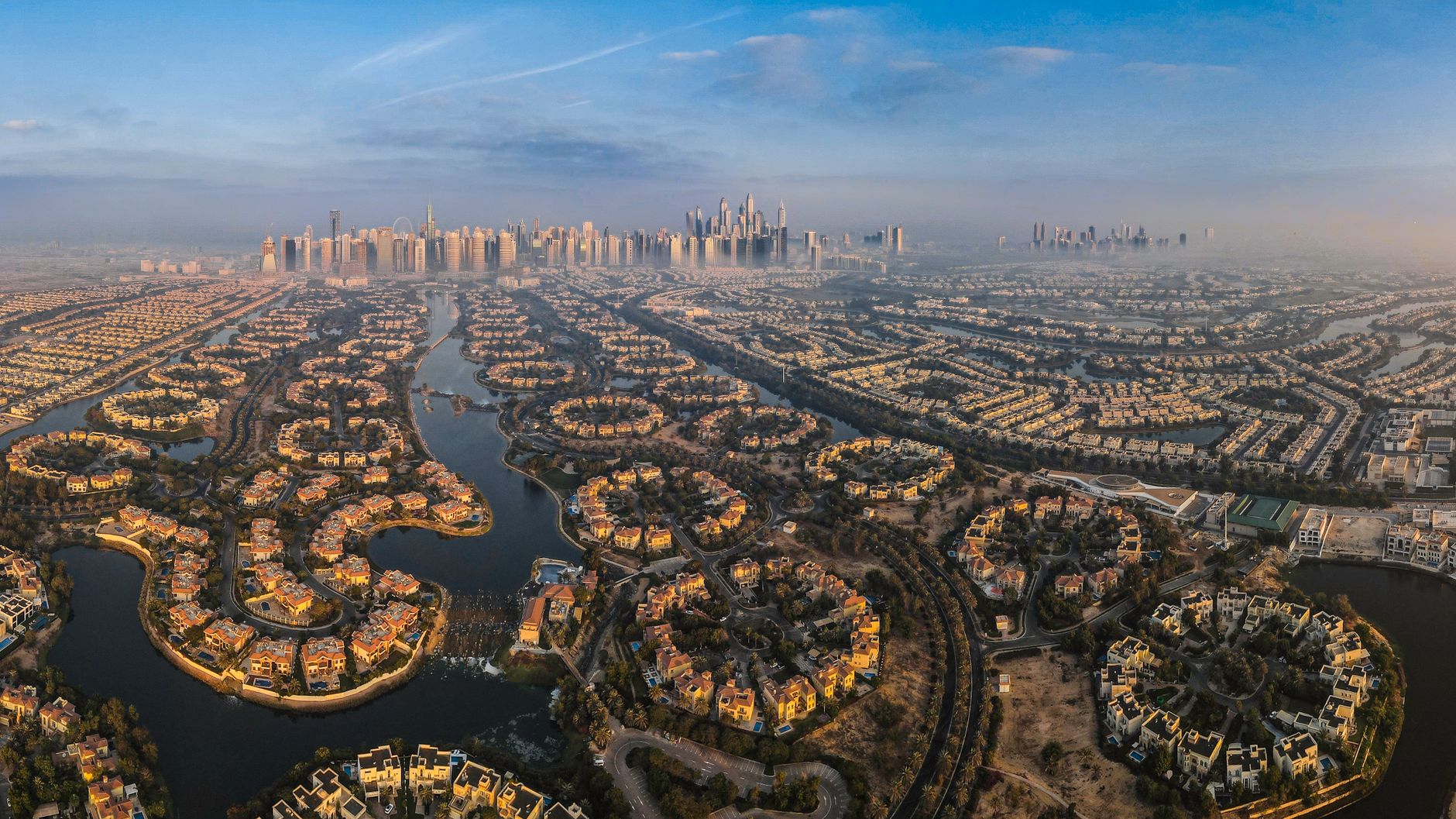
UAE’s property sector faces reckoning after Iran strikes
Estimated reading time: 7 minutes
Key Takeaways
- Dubai’s residential prices surged 60 % from 2022 to Q1 2025; a modest 3‑4 % dip followed the Iran strikes creates a buying window.
- Premium locations remain tight with vacancy rates below 3 % and net yields of 6‑7 %.
- Investors are now pricing a 50‑75 bp geopolitical risk premium into required returns.
- Diversifying across residential, logistics and hospitality assets mitigates sector‑specific shocks.
- Partnering with a specialized advisory such as David Moya Real Estate LLC adds data‑driven insight, transaction efficiency and risk management.
Table of Contents
- Introduction
- 1. Market Drivers Behind the 60 % Price Surge
- 2. Supply‑Side Realities
- 3. Capital Flows and Buyer Sentiment
- 4. The Iran Strike: Geopolitical Shock and Its Immediate Impact
- 5. Investor Implications – Risks and Opportunities
- 6. Forward‑Looking Market Outlook (2026‑2030)
- 7. How David Moya Real Estate LLC Enhances Your Investment Process
- 8. Key Takeaways for Investors
- Frequently Asked Questions
- Contact David Moya Real Estate LLC
Introduction
The headline “UAE’s property sector faces reckoning after Iran strikes” has reverberated through boardrooms, family‑office strategy sessions, and the desks of international buyers. It signals a pivotal moment for investors who have watched Dubai and Abu Dhabi’s real‑estate market surge at a historic pace. According to Fitch, Dubai property prices jumped 60 % between 2022 and the first quarter of 2025, a trajectory that continued well into late‑2025. While those gains attracted attention, the recent geopolitical shock from Iran introduces a new variable that could reshape valuation, capital flows, and risk appetite across the UAE.
For property investors, entrepreneurs, family offices, and international buyers, the situation demands a shift from headline‑driven speculation to disciplined, portfolio‑centric analysis. This commentary unpacks the macro‑drivers, supply‑demand dynamics, and capital‑movement patterns that underpin the current market, evaluates the risks and opportunities emerging from the latest geopolitical tension, and explains how a strategic advisory partner such as David Moya Real Estate LLC can translate insight into measurable investment advantage.
1. Market Drivers Behind the 60 % Price Surge
1.1 Demographic and Economic Momentum
- Population growth: The UAE’s expatriate‑driven population increased by roughly 2 % annually from 2022‑2025, feeding sustained demand for high‑quality rental and ownership units.
- GDP resilience: Despite regional headwinds, the UAE’s GDP grew at an average of 3.5 % per year, buoyed by diversification into tourism, logistics, and renewable energy.
1.2 Policy Incentives
- 100 % foreign ownership: The 2020 reform that allowed 100 % foreign ownership of freehold property in designated zones broadened the investor base, especially from China, Europe, and North America.
- Visa‑linked real‑estate schemes: Golden‑visa thresholds of AED 2 million (≈ USD 545 k) have turned premium residential projects into quasi‑immigration assets, further reinforcing demand at the top end.
1.3 Liquidity and Capital Supply
- Ultra‑low interest rates: The UAE Central Bank’s policy rate remained below 2 % for most of 2023‑2025, reducing financing costs for both developers and end‑buyers.
- Institutional inflows: Sovereign wealth funds and pension‑fund investors allocated a sizable portion of their alternative‑asset allocations to UAE real estate, attracted by the region’s strong yield profile (average net yields of 6‑7 % in prime Dubai locations).
2. Supply‑Side Realities
2.1 New‑Project Pipeline
- Dubai: Approximately 180 million sq ft of residential space slated for delivery by the end of 2025, concentrated in Dubai Marina, Downtown, and the emerging Al‑Mansour district.
- Abu Dhabi: The capital’s “Mid‑Rise” strategy focuses on mixed‑use developments along Al‑Maryah Island, adding roughly 70 million sq ft of premium inventory.
2.2 Absorption Rates
While deliveries have accelerated, absorption rates have kept pace, driven by strong expatriate inflows and a surge in second‑home purchases from GCC nationals. The net vacancy rate in Dubai’s upscale segment fell below 3 % in Q4 2025, indicating a tight market despite the volume of new supply.
2.3 Construction Costs
Steel, cement, and labor costs rose by 12‑15 % in 2024‑2025 due to supply‑chain constraints, a factor that developers have partially passed on to buyers through price premiums.
3. Capital Flows and Buyer Sentiment
3.1 International Capital
- European buyers: High‑net‑worth Europeans have continued to favor Dubai as a “safe‑haven” asset, with a 25 % year‑on‑year increase in Euro‑denominated transactions reported in 2025.
- Asian investors: Chinese and Indian investors, despite tighter capital controls, remain active through indirect vehicles and family‑office structures, attracted by the UAE’s tax‑free environment.
3.2 Domestic Institutional Appetite
Emirates NBD Asset Management and Abu Dhabi Investment Authority (ADIA) have deepened their exposure to residential and mixed‑use assets, seeking stable cash flow and inflation protection.
3.3 Sentiment Index
The Fitch UAE Real Estate Sentiment Index rose to 78/100 in early 2025, its highest reading in a decade, reflecting optimism about price appreciation and rental yields.
4. The Iran Strike: Geopolitical Shock and Its Immediate Impact
4.1 What Happened
In early March 2026, Iran launched a series of missile and drone attacks targeting strategic infrastructure in the Persian Gulf, including commercial shipping lanes that funnel trade through the UAE’s ports. The strikes, while not directly damaging UAE territory, prompted immediate risk reassessment among global investors.
4.2 Market Reaction
- Short‑term price correction: Dubai’s price index slipped 3‑4 % in the week following the strikes, a modest pull‑back given the 60 % gain over the prior three years.
- Currency pressure: The UAE dirham experienced a slight depreciation against the US dollar, widening financing spreads for foreign‑currency‑denominated loans.
4.3 Macro‑Level Implications
- Risk premium recalibration: Investors are adding a geopolitical risk premium of roughly 50‑75 basis points to their required return expectations for UAE assets.
- Supply chain vigilance: Construction material imports from the broader Middle East have become a focal point for developers, potentially influencing future project timelines and cost structures.
5. Investor Implications – Risks and Opportunities
5.1 Key Risks
| Risk | Description | Mitigation |
|---|---|---|
| Geopolitical volatility | Heightened regional tension could affect tourism, trade, and expatriate inflows. | Diversify across asset classes (residential, logistics, hospitality) and consider lower‑leverage structures. |
| Financing cost drift | Dirham depreciation may raise USD‑linked loan rates. | Lock‑in rates with local banks, use hedging instruments, or consider cash‑rich acquisitions. |
| Over‑supply in mid‑range | Aggressive pipeline could outstrip demand if expatriate arrivals plateau. | Prioritize prime locations with limited inventory, or target niche segments (senior housing, co‑working residential). |
| Regulatory changes | Potential tightening of foreign‑capital controls in response to external shocks. | Maintain compliance flexibility, monitor UAE Ministry of Economy updates closely. |
5.2 Strategic Opportunities
- Premium asset acquisition at modest discount: The 3‑4 % post‑strike dip creates a window to acquire high‑quality units in Dubai Marina, Palm Jumeirah, and Al‑Reem Island at a relative discount to 2025 peaks.
- Logistics and warehousing: The UAE’s role as a regional trade hub is reinforced by its resilient port infrastructure; investors can capture upside in last‑mile distribution assets that are less exposure‑sensitive to tourism flows.
- Long‑term rental yield upside: With supply tightening in the luxury segment, net yields could climb from 6 % to 6.8‑7 % by 2028, especially in gated communities favored by expatriate families.
- Portfolio diversification via “golden‑visa” assets: Acquiring properties that qualify for the 10‑year UAE golden visa offers a dual benefit of capital appreciation and residency advantage for high‑net‑worth clients.
6. Forward‑Looking Market Outlook (2026‑2030)
- Price trajectory: Fitch projects moderated growth of 4‑5 % annually for Dubai residential prices through 2028, tapering to 2‑3 % by 2030 as the market moves toward equilibrium.
- Supply‑demand balance: By 2028, the cumulative new‑project pipeline will start to outpace net absorption, creating selective pressure on mid‑tier projects while sustaining demand for ultra‑prime assets.
- Investor profile shift: Institutional capital is expected to dominate the high‑value segment, while family offices will increasingly seek “value‑add” opportunities that combine renovation with branding upgrades.
- Technology and sustainability: Green‑building standards (Estidama Pearl rating) are becoming a differentiator; properties that meet Level 4+ are projected to enjoy a 0.5‑1 % price premium and higher tenant retention.
7. How David Moya Real Estate LLC Enhances Your Investment Process
7.1 Market Guidance & Investment Strategy
- Macro‑analysis: Continuous monitoring of GDP trends, policy reforms, and geopolitical developments (including the Iran strikes) translated into actionable theses.
- Portfolio‑centric thinking: Design balanced allocations mixing core residential, high‑yield logistics, and opportunistic value‑add assets.
7.2 Location Selection & Property Shortlisting
- Hyper‑local expertise in Emirates Hills, Al‑Mansour, Al‑Maryah Island, and other sub‑markets.
- Tailored shortlists that meet client criteria for price appreciation, rental yield, and legal compliance.
7.3 Transaction Support & Negotiation Perspective
- End‑to‑end process management – from offer to title verification, escrow handling, and registration with the Dubai Land Department.
- Negotiation leverage through market data and developer relationships, securing pricing, payment‑plan flexibility, and ancillary concessions.
7.4 Risk Awareness & Long‑Term Planning
- Risk‑heat mapping covering geopolitical exposure, financing volatility, regulatory shifts, and construction‑timeline uncertainty.
- Exit‑strategy design for 5‑year resale or 10‑year income horizons, including secondary‑market liquidity options and potential REIT conversion.
7.5 Tangible Investor Outcomes
Research sources and credits
Research sources and credits: This article was prepared using reporting and market updates from the publishers below. Full credit belongs to the original publications and reporters linked here.
- UAE’s property sector faces reckoning after Iran strikes
Credit: Web
Dubai real estate prices jumped 60% between 2022 and the first quarter of 2025, according to Fitch. Growth continued late last year, with
Next steps
If you want help evaluating projects, comparing returns, or building a UAE property strategy, contact David Moya Real Estate at +(971) 585893086 or info@davidmoya.org.
Related posts