


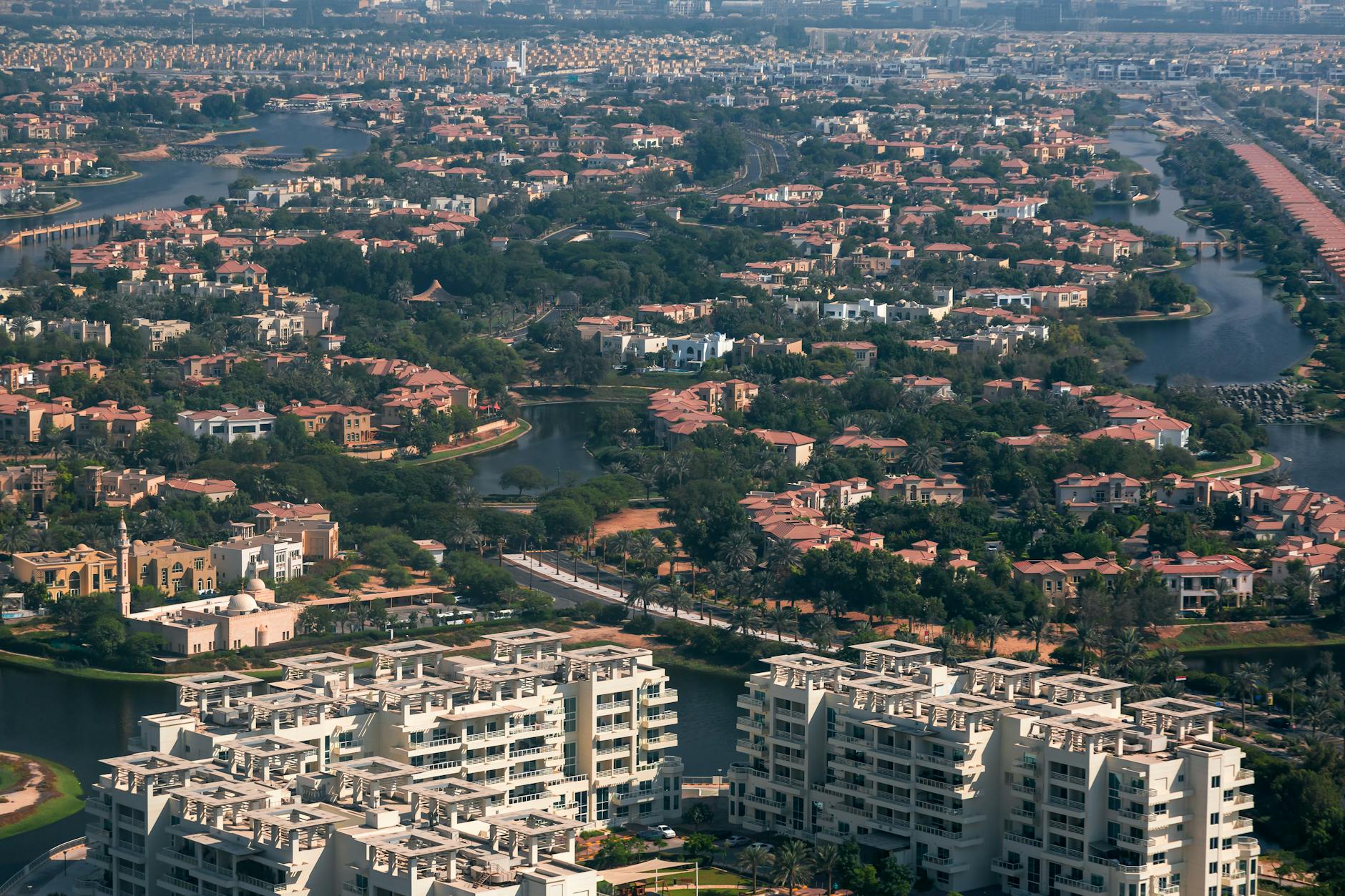
UAE property shifts towards buyer’s market for the first time in years
Estimated reading time: 7 minutes
Key Takeaways
- Price growth has moderated to ~9 % YoY, creating lower entry points.
- Transaction volumes fell 20 % in March, indicating motivated sellers.
- Domestic buyers with financial and emotional equity are stabilising demand.
- Villa inventory is increasing, highlighting selective opportunities in oversupplied segments.
- Rental yields of 6‑9 % are achievable, especially for ESG‑certified assets.
- A partnership with David Moya Real Estate LLC adds strategic, data‑driven guidance.
Table of Contents
- Introduction
- 1. What is driving the new buyer‑friendly environment?
- 2. Regional focus: Dubai versus Abu Dhabi
- 3. Investor Implications – How to Turn the Market Shift into Advantage
- 4. Risk Landscape – What Every Serious Buyer Should Monitor
- 5. Portfolio Takeaways – Building a Resilient UAE Real Estate Position
- 6. Why David Moya Real Estate LLC Matters for Real Estate Investors
- 7. Key Takeaways for Investors
- 8. Frequently Asked Questions
- 9. Moving Forward – Positioning for the Next Market Cycle
Introduction
The latest data from CBRE and YallaValue confirm that the UAE property market has shifted into buyer‑friendly territory for the first time in several years. Dubai’s residential price growth slowed to roughly 9 % year‑on‑year in Q1 2026, while March transaction volumes slipped about 20 % amid regional uncertainty. For investors, entrepreneurs, family offices and international buyers, this is more than a headline—it is a concrete opening to acquire high‑quality assets on more favourable terms, provided the purchase is guided by strategic thinking rather than short‑term speculation.
1. What is driving the new buyer‑friendly environment?
1.1. Cooling price growth after a post‑pandemic surge
During 2020‑2022 Dubai experienced double‑digit price appreciation as capital flowed in from Asia, the Gulf and Europe. The first quarter of 2026 marks a clear deceleration, with price growth easing to 9 % YoY. The slowdown reflects a natural correction after a period of extraordinary demand, giving buyers breathing room to negotiate.
1.2. Declining transaction volume
YallaValue reports a 20 % fall in March sales compared with the same month a year earlier. The reduction is linked to two overlapping forces: the regional war that has made some expatriate and corporate tenants more cautious, and a growing stock of owners who are prepared to sell rather than hold through a prolonged downturn.
1.3. Domestic buyers with “financial and emotional equity”
Industry commentary notes a rise in purchases by UAE nationals and long‑term expatriates who have built both financial capital and personal attachment to the market. Their willingness to buy amid lower prices adds a stabilising layer to demand and signals a shift from speculative to stewardship‑oriented ownership.
1.4. Supply fundamentals
New villa projects launched in 2021‑2022 are now reaching completion, adding sizeable inventory. The influx of completed units, combined with a cautious pace of new launches, tilts the supply‑demand balance towards buyers, especially in the villa and low‑rise residential segments.
1.5. Investor sentiment and capital flows
Global investors remain attracted to the UAE’s tax‑free environment, robust legal framework and reputation as a regional hub. However, higher worldwide interest rates and geopolitical risk have prompted a short‑term pause, allowing prices to settle. Capital that was previously deployed in short‑term flips is now being re‑allocated to longer‑term, income‑generating assets.
2. Regional focus: Dubai versus Abu Dhabi
2.1. Dubai – the epicentre of price moderation
Dubai’s residential market leads the slowdown. Villa prices have stabilised and sellers are showing greater flexibility on price and payment terms. The city’s diversified economy—tourism, finance, logistics and technology—continues to underpin demand, but the immediate effect of the regional war has curbed speculative buying.
2.2. Abu Dhabi – a parallel but slower shift
Abu Dhabi’s market, traditionally more reliant on government‑driven projects and local demand, shows a milder buyer’s market. Transaction volumes have slipped, but price growth remains slightly above Dubai’s 9 % mark, reflecting tighter supply of premium waterfront and downtown apartments. Investors seeking relative scarcity and higher yield spreads may find Abu Dhabi appealing as the market normalises.
2.3. Cross‑UAE opportunities
The broader UAE landscape presents a spectrum of opportunities: high‑density apartment blocks in central Dubai, gated villa communities in the emirate’s outskirts, and mixed‑use developments in Abu Dhabi’s waterfront districts. A diversified portfolio across these sub‑markets can smooth volatility and capture differing yield profiles.
3. Investor Implications – How to Turn the Market Shift into Advantage
3.1. Prioritise “time in the market” over “timing the market”
CBRE senior analyst Mr. McCulloch advises that the most reliable path to value creation is to remain invested over the long run. The current buyer‑friendly climate reduces entry cost, allowing a longer horizon for capital appreciation and rental growth.
3.2. Look for distressed or motivated sellers
Data points to an increase in sellers willing to negotiate. Properties that have sat on the market for several months, or owners facing cash‑flow pressures, may be open to price concessions, extended payment plans, or lease‑back arrangements that protect cash flow for the buyer.
3.3. Re‑evaluate portfolio allocations
Family offices and institutional investors should assess whether their current UAE exposure aligns with long‑term strategic objectives. The buyer’s market provides a chance to increase exposure at attractive levels, or to rebalance by disposing of under‑performing assets at competitive valuations.
3.4. Emphasise income‑producing assets
With price growth moderating, rental yields become a more salient metric. High‑quality villas and apartments in well‑served communities are achieving net yields of 6‑8 % in Dubai, while Abu Dhabi’s premium units can push yields toward 7‑9 % after accounting for service charges and management fees.
3.5. Incorporate ESG and sustainability considerations
Developers are embedding green building standards and energy‑efficiency measures in new projects. Assets with ESG certifications tend to command lower vacancy rates and can attract a growing segment of tenants seeking sustainable living spaces—an emerging factor for portfolio resilience.
4. Risk Landscape – What Every Serious Buyer Should Monitor
| Risk Category | Description | Mitigation Strategy |
|---|---|---|
| Geopolitical volatility | Ongoing regional conflict can affect investor sentiment and tourism‑related demand. | Diversify across asset types and retain liquidity buffers. |
| Interest‑rate pressure | Global monetary tightening raises financing costs. | Secure fixed‑rate financing early; explore seller‑financing options. |
| Oversupply in specific segments | Completion of 2021‑2022 villa projects adds inventory. | Focus on locations with limited future supply, such as waterfront or transit‑linked sites. |
| Regulatory changes | Adjustments to visa, ownership or tax policies can impact foreign ownership. | Stay updated through a trusted UAE property advisory; structure ownership through family offices where appropriate. |
| Currency fluctuations | USD/GBP/EUR moves affect real‑return calculations for foreign investors. | Hedge currency exposure or align cash flows with revenue‑generating assets in the same currency. |
5. Portfolio Takeaways – Building a Resilient UAE Real Estate Position
- Blend asset classes – combine high‑yield villas with stable‑income apartments.
- Geographic diversification – allocate capital across Dubai, Abu Dhabi and, where appropriate, secondary emirates such as Sharjah or Ras Al Khaimah.
- Long‑term financing – lock in attractive rates now; consider mixed debt‑equity structures.
- Active management – engage professional property managers to optimise rental performance and maintain asset value.
- Exit flexibility – preserve the ability to sell or refinance quickly by maintaining strong documentation and compliance with UAE ownership regulations.
6. Why David Moya Real Estate LLC Matters for Real Estate Investors
David Moya Real Estate LLC is not a simple listing service; it is a full‑service UAE property advisory that helps sophisticated buyers translate market data into actionable investment plans. Our approach blends deep local knowledge with a portfolio‑thinking framework, ensuring that each acquisition aligns with the client’s overarching wealth‑creation goals.
- Market Guidance: We interpret CBRE and YallaValue reports, turning price‑growth trends, transaction‑volume shifts and seller sentiment into clear recommendations.
- Investment Strategy: Whether you seek high‑yield cash flow, capital appreciation, or a blend, we construct a tailored plan that profits from the buyer’s market while managing downside risk.
- Location Selection: Our analysts map micro‑markets within Dubai, Abu Dhabi and beyond, pinpointing communities where supply is constrained, rental demand is robust, and regulatory outlook is favourable.
- Property Shortlisting: We present a curated list of assets that meet your financial thresholds, risk tolerance and ESG preferences, saving you time and avoiding over‑priced properties.
- Transaction Support & Negotiation: Leveraging relationships with developers, agents and legal counsel, we negotiate price, payment terms and post‑sale conditions that protect your capital and improve yield.
- Risk Awareness: We flag potential pitfalls—oversupply pockets, financing cost spikes, geopolitical triggers—so you can embed safeguards into the purchase structure.
- Long‑Term Portfolio Planning: After acquisition, we advise on asset‑level optimisation, refinancing opportunities and exit routes, ensuring the property contributes meaningfully over its life cycle.
Partnering with David Moya Real Estate LLC gives you clearer market understanding, more confident decisions, higher‑quality property selection, precise risk evaluation, smoother purchasing processes and ultimately stronger, more predictable returns in the UAE real estate market.
7. Key Takeaways for Investors
- Price growth has moderated to ~9 % YoY, offering lower entry points and stronger negotiation leverage.
- Transaction volumes are down 20 %, indicating motivated sellers and a shift toward buyer‑friendly terms.
- Domestic buyers with financial and emotional equity are stabilising demand, providing a foundation for long‑term price support.
- Villa inventory is increasing, creating selective opportunities in oversupplied segments and encouraging focus on scarce, high‑demand locations.
- Rental yields of 6‑9 % are now achievable, especially for well‑located, ESG‑certified assets.
- Working with a trusted advisory like David Moya Real Estate LLC maximises the benefits of the buyer’s market through strategic, data‑driven acquisition and portfolio management.
8. Frequently Asked Questions
Q: Is now the right time for a first‑time international buyer to enter the UAE market?
A: Yes. The buyer’s market provides lower price points and more flexible terms, reducing the barrier to entry. A thorough advisory partnership ensures the purchase aligns with long‑term objectives and regulatory requirements.
Q: How does the regional war affect property values?
A: It has contributed to a short‑term dip in transaction volumes and dampened speculative demand, which in turn has moderated price growth. Fundamental demand from domestic buyers remains, supporting a floor for values.
Q: What financing options are available for foreign investors?
A: International buyers can access conventional mortgage products from UAE banks and seller‑financing arrangements. Fixed‑rate loans are advisable to lock in costs before potential global rate hikes.
Q: Should I focus on villas or apartments in the current market?
A: Both have merit. Villas offer larger land components and potential capital upside once oversupply eases, while apartments deliver higher immediate rental yields and lower entry cost. A balanced portfolio often includes both.
Q: How can I mitigate currency risk?
A: Consider hedging strategies, align rental income in the same currency as financing, or hold a portion of cash reserves in a stable currency to cover operating expenses.
9. Moving Forward – Positioning for the Next Market Cycle
The UAE property market is at a pivot point. While the buyer’s market is present today, the same fundamentals—tax‑advantage, strategic geography and strong institutional demand—will likely reignite price growth in the medium term. Investors who enter now, armed with disciplined strategy and professional advisory, can lock in assets at favourable valuations, capture robust yields and ride the subsequent appreciation wave.
Take the next step with confidence. Contact David Moya Real Estate LLC for tailored UAE property advisory, portfolio strategy and transaction support. Call +971 4 555 1234 or email info@davidmoya.com to schedule a confidential consultation and begin building your high‑performance UAE real estate portfolio today.
Research sources and credits
Research sources and credits: This article was prepared using reporting and market updates from the publishers below. Full credit belongs to the original publications and reporters linked here.
- UAE property shifts towards buyer’s market for the first time in years
Credit: Web
In Dubai, domestic buyers with both financial and emotional equity in the UAE are purchasing property. Dubai’s residential property market has entered its most favourable conditions for buyers in several years, with villa prices stabilising, transaction volumes slowing and sellers showing greater willingness to negotiate, according to industry experts and new market data. Sales price growth in Dubai’s residential sector eased to about 9 per cent year-on-year in the first quarter, down from the double-digit surges of the post-pandemic boom, while transaction volumes fell about 20 per cent in March due to the regional war, according to CBRE’s UAE Real Estate Market Review and data from property platform YallaValue. “For buyers with a long-term perspective, focusing on ‘time in the market’ rather than ‘timing the market’ is generally recommended,” Mr McCulloch said, adding that current conditions, including the possibility of distressed sellers, may favour patient buyers willing to wait for the right asset.
Next steps
If you want help evaluating projects, comparing returns, or building a UAE property strategy, contact David Moya Real Estate at +(971) 585893086 or info@davidmoya.org.


