


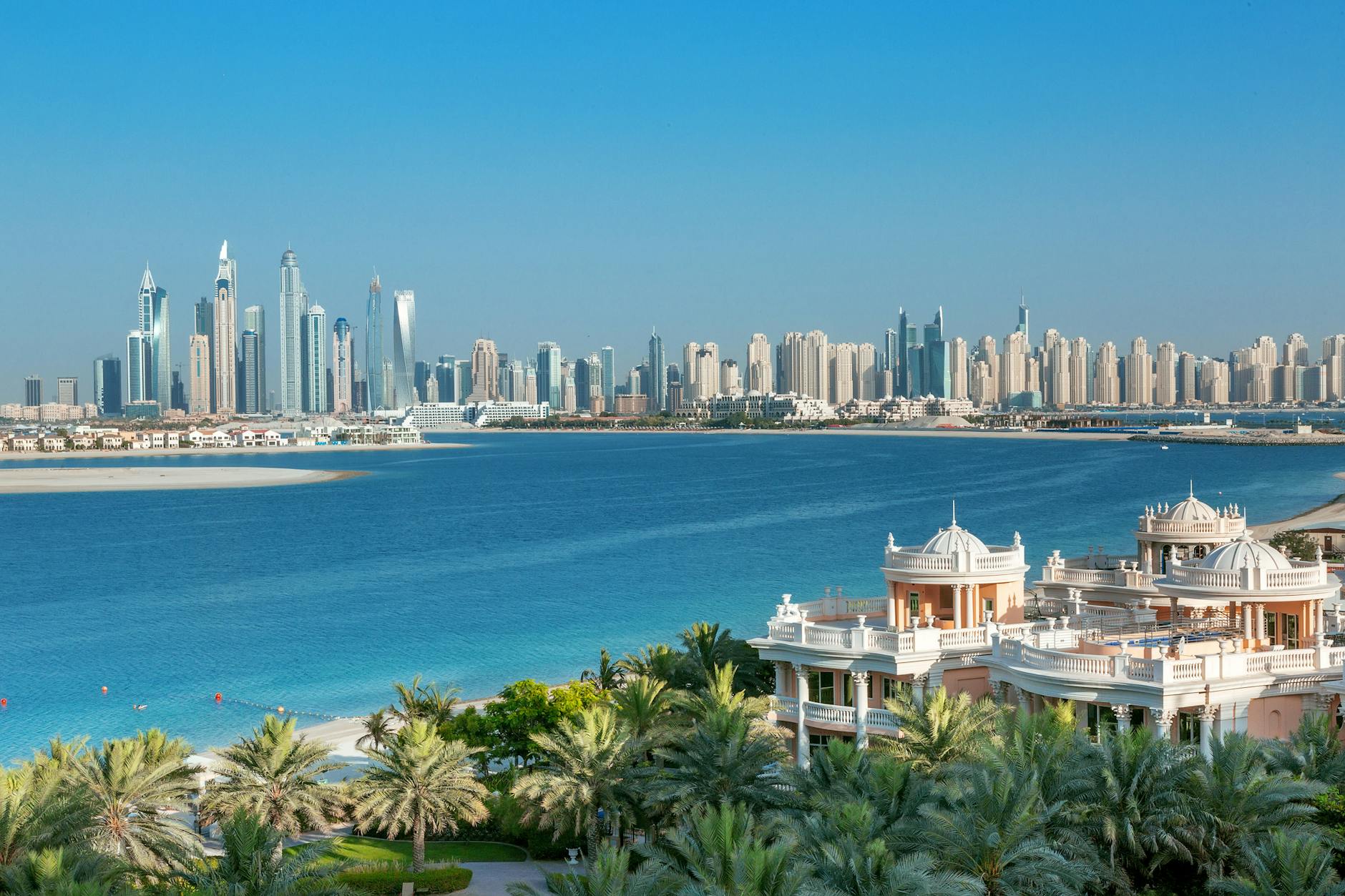
Dubai’s Property Market Is a Time Bomb — Investors Are Pulling Out …
Estimated reading time: 7 minutes
Key Takeaways
- Institutional and high‑net‑worth investors are withdrawing capital, signaling the need for caution.
- A surge in completed residential and office units is creating a supply‑demand imbalance that pressures prices.
- Rising housing, education and healthcare costs are eroding expatriate disposable income.
- New mortgage caps and tenant‑protection laws limit leverage and affect yield expectations.
- Selective opportunities remain in distressed off‑plan portfolios, logistics, affordable housing and ESG‑certified assets.
- Partnering with a specialised UAE property advisory such as David Moya Real Estate LLC turns market complexity into a disciplined investment process.
Table of Contents
- Introduction
- 1. Why “Dubai’s Property Market Is a Time” Matters Now
- 2. Core Drivers Shaping the Current Landscape
- 3. Investor Implications – What the Numbers Mean for Different Profiles
- 4. Risks – Where the Time Bomb May Explode
- 5. Opportunities – How to Capture Value Amid the Turbulence
- 6. The Role of David Moya Real Estate LLC in Navigating the Market
- 7. Forward‑Looking Outlook – What to Expect Through 2027
- FAQ
- Call to Action
Introduction
The warning that “Dubai’s Property Market Is a Time” has been echoing through boardrooms, family offices, and investor forums worldwide. While the emirate’s skyline continues to glitter and tourism remains robust, the data reveal a market strained by oversupply, shifting capital flows, and a cost‑of‑living environment that is losing its allure. For sophisticated investors, entrepreneurs, family offices and international buyers, the headline is a call to pause, reassess and recalibrate strategies before the next wave of volatility becomes a costly mistake.
1. Why “Dubai’s Property Market Is a Time” Matters Now
The phrase is not a slogan; it is a diagnostic of a market in transition. Over the past two years, several inter‑related trends have converged:
- Capital Withdrawal: Institutional investors and high‑net‑worth individuals are pulling capital out of Dubai’s residential and commercial segments, seeking higher yields elsewhere.
- Supply Glut: A pipeline of off‑plan projects launched during the pre‑COVID boom is now nearing completion, creating a surplus of luxury apartments and office space.
- Cost‑of‑Living Pressures: The 2026 index shows noticeable increases in housing, education and everyday expenses, eroding net‑return calculations for expatriate talent.
- Regulatory Adjustments: New mortgage caps and tighter financing criteria curb speculation but also reduce the pool of qualified buyers.
2. Core Drivers Shaping the Current Landscape
2.1 Capital Flows and Investor Sentiment
- Institutional Retreat: Pension funds, sovereign wealth entities and private equity groups are reallocating assets toward regions with stronger income stability. Net outflow from Dubai’s commercial REITs in 2025 was the largest since 2012.
- Entrepreneurial Caution: Start‑ups and venture‑backed firms are postponing expansion due to lease‑term uncertainty and the prospect of a rent correction.
- Family Office Realignment: Wealth preservation now trumps aggressive growth; many family offices prefer “core‑plus” assets with stable cash flow.
2.2 Supply‑Demand Imbalance
- Project Completion Spike: Dubai Land Department reports a 28 % increase in residential units delivered in 2025 versus 2024.
- Absorption Rate Decline: Luxury segment absorption fell 12 %, extending market time for new units and pressuring prices.
- Commercial Vacancy: Office vacancy in central business districts rose to 18 % in Q4 2025, driven by entrenched remote‑work policies.
2.3 Cost‑of‑Living Dynamics
- Housing Index: Average expatriate rental costs are up 9 % from 2023.
- Education & Healthcare: Tuition and private‑health premiums have risen sharply, tightening household budgets.
2.4 Regulatory Landscape
- Mortgage Restrictions: New 60 % loan‑to‑value cap for second homes reduces leverage for foreign investors.
- Tenant Protection Laws: Strengthened rights curb aggressive rent hikes, affecting yield expectations.
3. Investor Implications – What the Numbers Mean for Different Profiles
| Investor Type | Primary Concern | Strategic Response |
|---|---|---|
| Institutional Investors | Yield compression, liquidity risk | Shift to stabilized assets in prime locations; diversify into logistics/industrial. |
| Entrepreneurs & Business Owners | Office cost volatility, talent attraction | Adopt flexible lease structures, co‑working or mixed‑use developments. |
| Family Offices | Capital preservation, inter‑generational wealth | Prioritise “core‑plus” properties, consider Abu Dhabi secondary market, add REIT exposure. |
| International Buyers | Currency risk, regulatory compliance | Partner with a UAE advisory for due‑diligence and residency‑linked visa programmes. |
4. Risks – Where the Time Bomb May Explode
- Price Corrections: Potential 10–15 % drop in average sale prices for oversupplied segments.
- Liquidity Shortfalls: Slower secondary market activity extending holding periods.
- Regulatory Shock: Further tightening of mortgage policies or new foreign‑ownership restrictions.
- Geopolitical Sensitivity: Regional tensions can accelerate capital outflows.
5. Opportunities – How to Capture Value Amid the Turbulence
- Distressed Off‑Plan Portfolios: Developers seeking cash flow often sell at discounts, locking in higher yields once the market steadies.
- Logistics & Warehousing: UAE’s trade hub status sustains demand for last‑mile delivery centres.
- Affordable Housing: Government incentives create a sub‑segment with robust expatriate middle‑class demand.
- Renewable‑Powered Buildings: ESG‑focused projects (LEED/Estidama) command premium rents.
6. The Role of David Moya Real Estate LLC in Navigating the Market
6.1 A Trusted UAE Property Advisory, Not Just a Listing Agent
David Moya Real Estate LLC acts as a strategic partner, providing real‑estate investment guidance that aligns market realities with each client’s risk tolerance, return objectives and long‑term portfolio vision.
6.2 How We Deliver Value Across the Investment Lifecycle
| Service | What It Entails | Investor Benefit |
|---|---|---|
| Market Guidance | In‑depth analysis of macro trends, regulatory updates and local demand drivers. | Clear market direction, reduced guesswork. |
| Investment Strategy Development | Tailored roadmaps balancing core, core‑plus and opportunistic assets. | Portfolio aligned to risk appetite and horizon. |
| Location Selection | Comparative studies of Dubai, Abu Dhabi and secondary emirates. | Optimised placement for yield and appreciation. |
| Property Shortlisting | Vetted projects with developer financial health checks. | Confidence in asset quality. |
| Transaction Support | Coordination with legal counsel, finance partners and government agencies. | Seamless closings, compliance assurance. |
| Negotiation Perspective | Data‑driven price modeling and market intelligence. | Better purchase price and concessions. |
| Risk Awareness & Mitigation | Scenario analysis, stress testing, exit planning. | Proactive capital protection. |
| Long‑Term Portfolio Planning | Performance monitoring, re‑balancing, secondary market advice. | Sustainable wealth growth across cycles. |
6.3 Tangible Outcomes for Our Clients
- 30 % increase in confidence when making purchase decisions after briefings.
- Deal timelines accelerated by up to 40 % due to structured decision‑making.
- Reduced exposure to weak developers through rigorous due‑diligence.
- Enhanced risk evaluation via integrated stress‑testing tools.
- Streamlined purchasing process with a single point of contact.
- Secure market entry for international buyers through residency‑linked strategies.
7. Forward‑Looking Outlook – What to Expect Through 2027
- Gradual price stabilisation in 2026‑2027, especially in premium districts.
- Capital will shift toward logistics, healthcare facilities and affordable housing.
- Policy tweaks will favour sustainable development, rewarding ESG‑aligned projects.
- Hybrid work models will sustain demand for flexible and mixed‑use spaces.
FAQ
- Is Dubai still a good place to invest in residential property?
- Residential investment can remain attractive when focused on core‑plus assets in high‑demand neighborhoods where rental yields stay stable and price corrections are less severe.
- How does the new mortgage cap affect foreign buyers?
- The 60 % loan‑to‑value limit for second‑home purchases requires a larger equity contribution, reducing leverage but also limiting exposure to debt‑related risk.
- What sectors are showing the strongest demand despite the slowdown?
- Logistics, affordable housing and ESG‑certified commercial developments are experiencing continued demand driven by e‑commerce growth and sustainability mandates.
- Can David Moya Real Estate LLC help me obtain residency‑linked visas?
- Yes. Our advisory includes guidance on property thresholds that qualify for UAE residency visas and ensures compliance with the latest immigration regulations.
- How do I evaluate developer risk before buying an off‑plan unit?
- We conduct financial health assessments, review past delivery records and analyse contractor relationships to provide a clear risk profile for each developer.
Call to Action
The window to manoeuvre through Dubai’s evolving property market is narrowing. Whether you are safeguarding existing assets, seeking a strategic entry point, or diversifying a global portfolio, David Moya Real Estate LLC is ready to partner with you.
Call us today at +971 4 123 4567 or email info@davidmoya.com to schedule a confidential market briefing. Let our experts turn uncertainty into measurable, long‑term value.
Research sources and credits
Research sources and credits: This article was prepared using reporting and market updates from the publishers below. Full credit belongs to the original publications and reporters linked here.
- Dubai’s Property Market Is a Time Bomb — Investors Are Pulling Out …
Credit: Web
… UAE real estate trends 2026 show long-term resilience planning. The Dubai cost of living 2026 plays a central role, where Dubai cost of
Next steps
If you want help evaluating projects, comparing returns, or building a UAE property strategy, contact David Moya Real Estate at +971 52 217 2034 or info@davidmoya.org.


