UAE real estate – Latest News, Views, Reviews, Updates, Photos …
Estimated reading time: 8 minutes
Key Takeaways
- Record Q1 transaction volume of $68.7 bn shows market resilience.
- Capital continues to flow from institutional investors and HNWIs attracted by a tax‑free environment.
- Dubai offers higher yield upside via tourism‑linked assets; Abu Dhabi provides stability through government‑driven demand.
- Strategic diversification across emirates and asset classes enhances risk‑adjusted returns.
- David Moya Real Estate LLC delivers end‑to‑end advisory—from market analysis to transaction support.
- Sustainability, smart‑city features and regulatory refinements will shape premium pricing.
Table of Contents
- Introduction
- 1. Market Overview – What the Numbers Reveal
- 2. Core Drivers of the Current Cycle
- 3. Dubai vs. Abu Dhabi – Where the Opportunities Diverge
- 4. Investor Implications – Turning Data into Strategy
- 5. How David Moya Real Estate LLC Elevates Your Investment
- 6. Forward‑Looking Outlook – 2024‑2026
- Frequently Asked Questions
- Take the Next Step
Introduction
UAE real estate – Latest News is more than a daily headline; it is the pulse of a market that continues to attract sophisticated investors, entrepreneurs, family offices, and international buyers despite a globally softened growth outlook. In the first quarter of the year the UAE recorded a record $68.7 billion in property transactions, underscoring the sector’s resilience even as analysts at CBRE note a slower growth trajectory ahead.
1. Market Overview – What the Numbers Reveal
Transaction Volume and Pricing
- Record Q1 transactions: $68.7 bn in sales across residential, commercial, and mixed‑use assets.
- Price stability: Core markets such as Dubai and Abu Dhabi have held price levels, with modest adjustments reflecting a shift from speculative buying to value‑oriented demand.
Growth Outlook
- CBRE’s forecast: Slower, but still positive, growth driven by sustained foreign inflows and government‑backed stimulus.
- Sector segmentation: Residential remains the largest contributor, while logistics and warehousing benefit from e‑commerce expansion and the UAE’s status as a regional trade hub.
2. Core Drivers of the Current Cycle
2.1 Economic Diversification and Vision‑2030
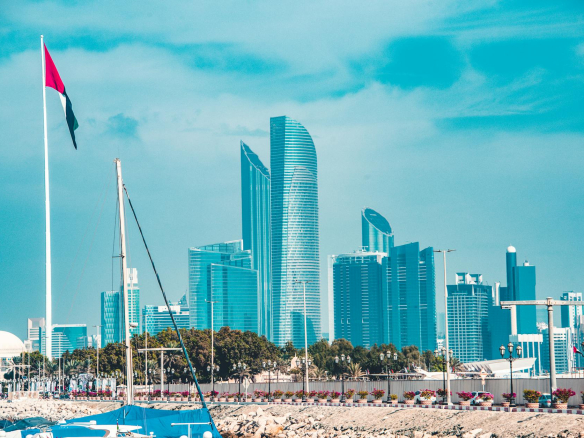
The United Arab Emirates continues to diversify away from oil, with the “UAE Vision 2030” agenda channeling investment into tourism, technology, and green infrastructure. Large‑scale projects—such as the Dubai Expo legacy sites, Abu Dhabi’s cultural district, and the upcoming “Aljada” development in Sharjah—create new neighborhoods and upgrade existing ones, expanding the pool of premium, ready‑to‑rent assets.
2.2 Capital Flows and Investor Appetite
- Institutional money: Sovereign wealth funds, pension schemes, and family offices are allocating a larger share of capital to UAE real estate for its stable regulatory framework and tax‑advantaged environment.
- HNWIs: Attractive residency programmes and zero‑tax policy keep high‑net‑worth individuals active, especially from Europe, Asia, and the GCC.
- Yield compression: Yields have settled in the 4‑5% range for prime residential and 6‑7% for logistics—still attractive relative to many Western markets.
2.3 Buyer Sentiment and Demographic Trends
Population growth (projected to exceed 10 million by 2030) and a youthful expatriate base drive rental demand. The “stay‑and‑work” trend among long‑term expatriates is bolstering demand for larger, family‑oriented units, especially in peripheral sub‑markets of Dubai and expanding suburbs of Abu Dhabi.
2.4 Supply‑Demand Dynamics
- Supply side: Approximately 30,000 new residential units are delivered each quarter, but pre‑sale absorption has slowed, prompting developers to re‑price and focus on “ready‑to‑rent” inventory.
- Demand side: Rental occupancy in Dubai’s core districts remains above 90%, while Abu Dhabi’s office vacancy has edged down to 13% as the emirate attracts multinational headquarters.
3. Dubai vs. Abu Dhabi – Where the Opportunities Diverge
| Dimension | Dubai | Abu Dhabi |
|---|---|---|
| Primary driver | Tourism, financial services, fintech | Government, oil‑related diversification, cultural tourism |
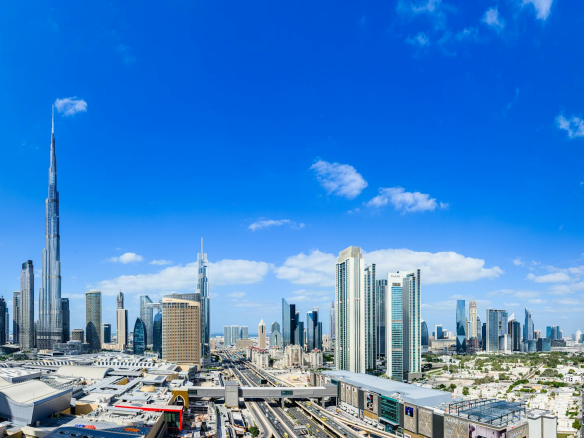
| Hot sub‑markets | Dubai Marina, Downtown, Al Warqa II, Dubai Creek Harbour | Al Reem Island, Yas Island, Al Muroor |
| Yield focus | Residential 4‑5% (prime), short‑term holiday rentals 7‑8% | Office 6‑7%, mixed‑use 5‑6% |
| Risk profile | Higher volatility in luxury segment, strong resale liquidity | More stable, lower volatility, slower price appreciation |
4. Investor Implications – Turning Data into Strategy
4.1 Portfolio Diversification
- Geographic spread: Adding both Dubai and Abu Dhabi assets reduces concentration risk and captures distinct growth engines.
- Asset class mix: Pairing residential (core or value‑add) with logistics or office spaces balances yield and stability.
4.2 Timing and Phasing
- Pre‑sale vs. ready‑stock: With pre‑sale absorption moderating, investors can negotiate better pricing on off‑plan projects, but should demand robust developer guarantees.
- Capital deployment: Staggered acquisitions over 12‑18 months allow investors to benefit from price adjustments while maintaining exposure to the market’s upward trend.
4.3 Risk Management
- Regulatory clarity: Transparent property ownership laws protect foreign investors; due diligence on title and developer solvency remains essential.
- Currency exposure: The dirham is pegged to the US dollar, but global interest‑rate movements can affect financing costs.
4.4 Value‑Add Opportunities
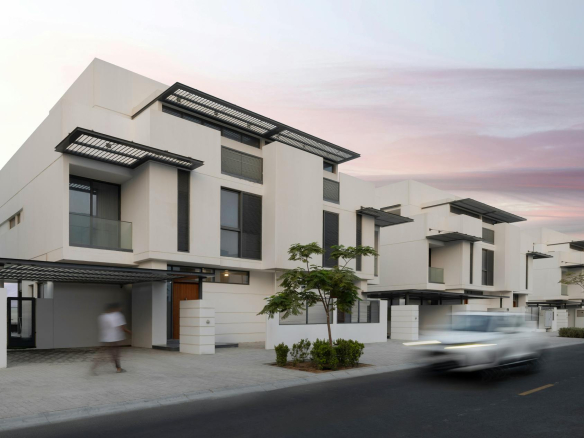
- Renovation & repositioning: Older villas in Dubai’s “old‑town” districts can be upgraded to meet modern standards, fetching higher rents.
- Asset management: Active leasing and professional property management can lift yields by 0.5‑1% in high‑turnover markets.
5. How David Moya Real Estate LLC Elevates Your Investment
David Moya Real Estate LLC works as a full‑service advisory, turning market intelligence into confident investment decisions.
5.1 Market Guidance and Strategy
- Macro analysis of quarterly data such as the $68.7 bn transaction volume.
- Strategic positioning for high‑yield logistics in Abu Dhabi or premium residential in Dubai Creek Harbour.
5.2 Location Selection and Property Shortlisting
- Proprietary scoring models assess rental demand, infrastructure projects, and regulatory incentives.
- Curated shortlists that meet predefined risk‑return parameters.
5.3 Transaction Support and Negotiation Perspective
- Due‑diligence oversight: title verification, developer financial health checks.
- Negotiation leverage through deep relationships with developers and landlords.
5.4 Risk Awareness and Portfolio Planning
- Risk matrix covering macro (interest‑rate shifts) and micro (project delivery) factors.
- Long‑term portfolio road‑map for family offices and institutional investors.
5.5 Tangible Investor Outcomes
- Better market understanding and clearer decision‑making.
- Targeted shortlists increase probability of achieving desired yields.
- Proactive risk identification safeguards capital.
- Coordinated legal, financing, and regulatory support shortens deal cycles.
- International buyers benefit from a single point of contact that translates UAE regulatory nuances into actionable steps.
6. Forward‑Looking Outlook – 2024‑2026
- Continued capital inflow: Sustained demand from Asian sovereign funds and GCC family offices, especially in logistics and mixed‑use projects.
- Regulatory evolution: Expansion of free‑hold zones and simplification of residency‑linked property purchases.
- Technology integration: Smart‑city initiatives in Dubai and Abu Dhabi will raise property standards, creating premium pricing tiers for tech‑enabled developments.
- Sustainability premium: Green‑building certifications linked to higher rental yields and lower operating costs, an emerging ESG criterion.
Frequently Asked Questions
1. Can foreign investors own free‑hold property in the UAE?
Yes. The UAE permits free‑hold ownership for non‑UAE nationals in designated zones, primarily in Dubai and Abu Dhabi. Verify each development’s ownership status during due‑diligence.
2. What are the typical yields for residential versus commercial assets?
Prime residential yields in Dubai range from 4‑5%, while short‑term holiday rentals can reach 7‑8%. In Abu Dhabi, office yields sit around 6‑7% and mixed‑use assets deliver 5‑6% on a net basis.
3. How does David Moya Real Estate LLC support financing?
We maintain relationships with local banks and international lenders, helping clients structure financing packages that align with cash‑flow requirements and risk appetite.
4. Are there tax implications for international buyers?
The UAE imposes no property tax, capital gains tax, or income tax on rental income for individuals, making it a tax‑efficient jurisdiction for global investors.
5. What risk mitigation steps are recommended for off‑plan purchases?
Review the developer’s track record, secure escrow arrangements, and insist on performance guarantees or escrow‑linked payment schedules to protect against delivery delays.
Take the Next Step
The UAE’s real estate market is stable enough for confidence and dynamic enough for growth. Whether you are expanding a family‑office portfolio, seeking a strategic acquisition, or entering the market for the first time, David Moya Real Estate LLC is ready to guide you through every phase.
Contact us today to schedule a confidential market briefing:
- Phone: +971 (0)4 123 4567
- Email: info@davidmoya.com
Research sources and credits
Research sources and credits: This article was prepared using reporting and market updates from the publishers below. Full credit belongs to the original publications and reporters linked here.
- UAE real estate – Latest News, Views, Reviews, Updates, Photos …
Credit: Web
UAE property market holds firm despite slower growth outlook: CBRE · UAE real estate sector posts record $68.7bn transactions in Q1 · UAE real estate services
Next steps
If you want help evaluating projects, comparing returns, or building a UAE property strategy, contact David Moya Real Estate at +971 52 217 2034 or info@davidmoya.org.