Will Dubai’s Real Estate Market Crash As The Middle East War …
Estimated reading time: 7 minutes
Key Takeaways
- The probability of an immediate, systemic crash in Dubai’s real‑estate market remains low.
- Capital inflows from sovereign wealth funds and high‑net‑worth individuals continue to support the premium segment.
- Supply‑demand imbalances are localized; focus on core districts and emerging growth corridors.
- Value‑add, ESG‑focused, and serviced‑apartment assets offer strong risk‑adjusted returns.
- Partnering with a seasoned advisor such as David Moya Real Estate LLC provides strategic insight, risk mitigation, and execution excellence.
Table of Contents
- Introduction: The Context of Uncertainty
- Core Market Drivers in Dubai and the Wider UAE
- Capital Flows and Buyer Sentiment Amid Regional Conflict
- Supply‑Demand Dynamics: Is the Market Over‑Built?
- Risk Assessment: Scenarios for a Potential Crash
- Opportunities for Strategic Investors
- Portfolio Takeaways for Investors, Entrepreneurs, and Family Offices
- How David Moya Real Estate LLC Enhances Your Investment Success
- Frequently Asked Questions
- Take Action
Introduction: The Context of Uncertainty
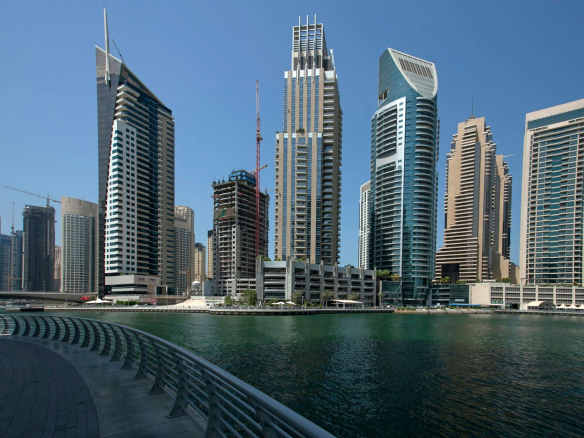
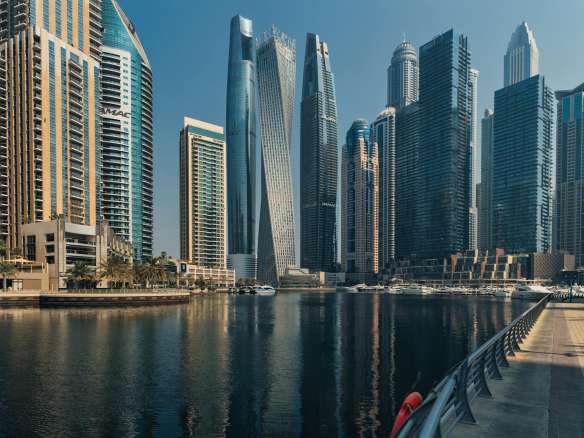
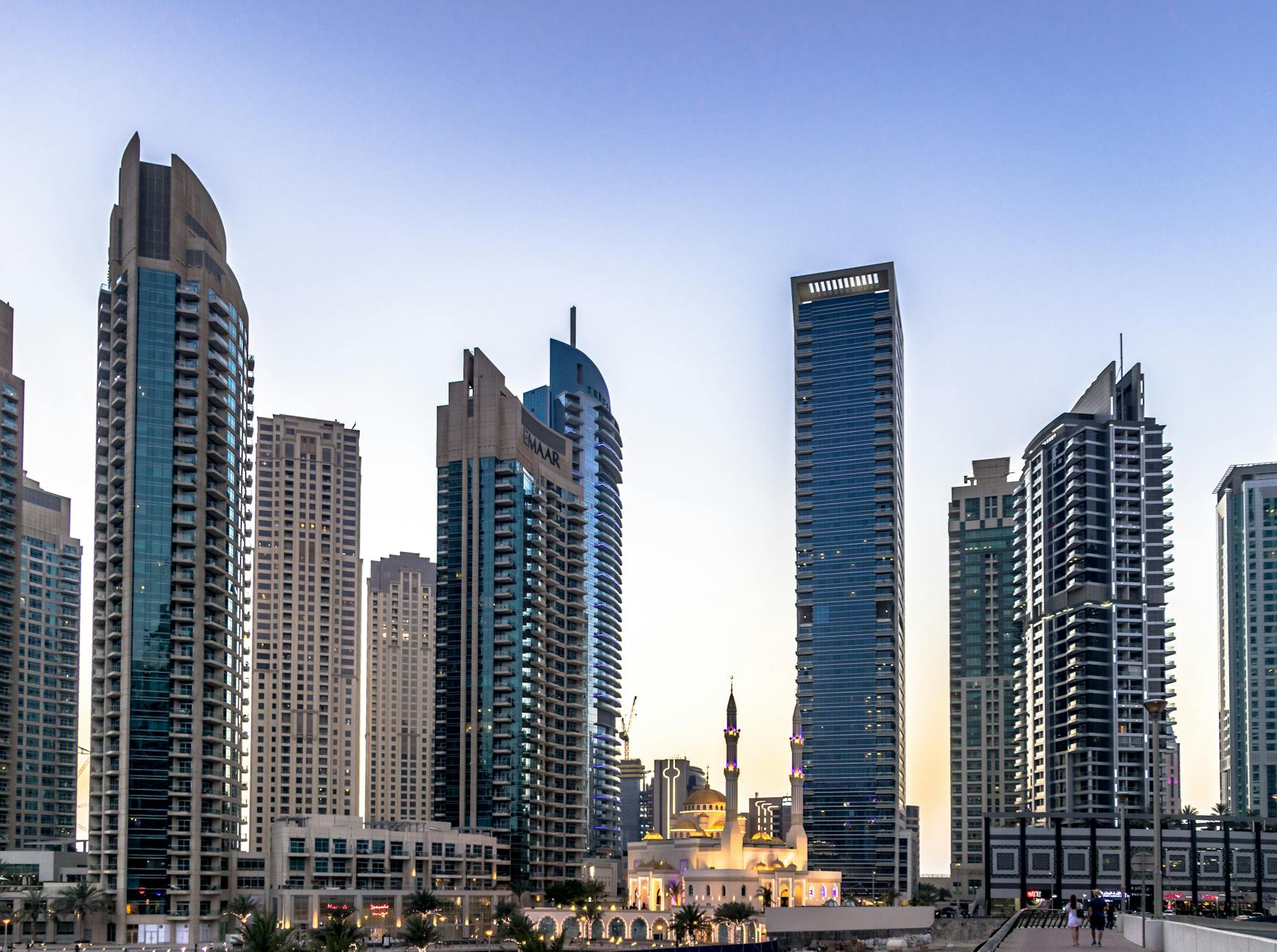
The United Arab Emirates has long positioned itself as a global hub for commerce, tourism, and high‑net‑worth residency. Over the past several decades the UAE government has built world‑class infrastructure, a pro‑business regulatory framework, and a diversified economy that can weather oil price volatility. Dubai, in particular, has become synonymous with iconic skyline projects, luxury residential enclaves, and a tax‑advantaged environment for foreign investors.
Nevertheless, the region’s geopolitical landscape is inherently fragile. The recent escalation between Iran and the United States, together with broader Middle East tensions, has raised legitimate concerns about the resilience of the UAE’s property market. While the headline “Will Dubai’s Real Estate Market Crash?” captures the anxiety of many, a crash—defined as a sudden, deep, and sustained decline in property values—requires a confluence of supply shocks, demand collapse, and financing strain. The sections below evaluate whether those conditions are materializing and what they mean for capital‑seeking investors.
Core Market Drivers in Dubai and the Wider UAE
1.1 Economic Diversification and Vision 2021/2050
Dubai’s GDP growth is now driven more by services, tourism, logistics, and fintech than by hydrocarbons. The “Dubai 2030” strategic plan and the UAE Vision 2050 focus on attracting talent, fostering innovation, and expanding free‑zone ecosystems, sustaining demand for premium office space, mixed‑use developments, and high‑quality residential units.
1.2 Demographic Trends
The expatriate population continues to rise, supported by a liberal visa regime (10‑year Golden Visa, Remote Work Visa). A growing middle and upper‑class expatriate cohort fuels demand for rental properties across the city’s sub‑markets, from Marina to Downtown.
1.3 Infrastructure Investment
Mega‑projects such as the expansion of Al Maktoum International Airport, Dubai Metro Red Line extensions, and the upcoming Dubai South development improve connectivity and unlock previously under‑served areas. Infrastructure upgrades typically precede price appreciation in adjacent districts.
1.4 Regulatory Stability
UAE property laws have been modernized to protect foreign ownership, enforce transparent title registration, and support dispute resolution. The “real‑estate escrow account” system requires developers to deposit buyer funds in a regulated account before construction milestones are paid, reassuring investors.
Capital Flows and Buyer Sentiment Amid Regional Conflict
2.1 International Capital Resilience
Despite heightened geopolitical risk, the UAE continues to attract sovereign wealth, private equity, and family office capital. World Bank and IMF data note that UAE sovereign wealth funds remain heavily invested in global real‑estate, reinforcing a perception of the domestic market as a stable anchor for broader portfolios.
2.2 Regional Investor Behaviour
In times of regional tension, GCC capital tends to stay domestic, seeking safe‑haven assets. This “flight‑to‑stability” effect can actually buoy luxury residential demand, as high‑net‑worth individuals look for secure, insulated assets.
2.3 Rental Yield Trends
Data from the Dubai Land Department (DLD) over the past twelve months show a modest uptick in average rental yields for 1‑bedroom apartments in core neighborhoods, moving from 4.8 % to 5.2 %. Yield compression—a leading indicator of price headwinds—has not materialized, suggesting rental demand remains robust.
2.4 Financing Conditions
UAE banks have maintained relatively tight but stable mortgage underwriting standards. While the Central Bank monitors exposure to foreign‑currency debt, overall loan‑to‑value (LTV) ratios for expatriates have not surged, limiting the risk of a sudden credit crunch.
Supply‑Demand Dynamics: Is the Market Over‑Built?
3.1 Current Inventory Levels
As of Q1 2024, Dubai’s total residential inventory stands at approximately 1.1 million units, with a vacancy rate of 8.5 % across the city. The pace of new completions has slowed compared with the 2020‑2022 boom; developers are focusing on premium projects that command higher price points and lower absorption risk.
3.2 Project Pipeline
The pipeline of off‑plan projects is estimated at 300,000 units, but many are in pre‑sales or early construction. Developers such as Emaar, Damac, and Nakheel have adopted a more cautious approach, aligning supply with demonstrated demand to avoid excess oversupply.
3.3 Geographic Differentiation
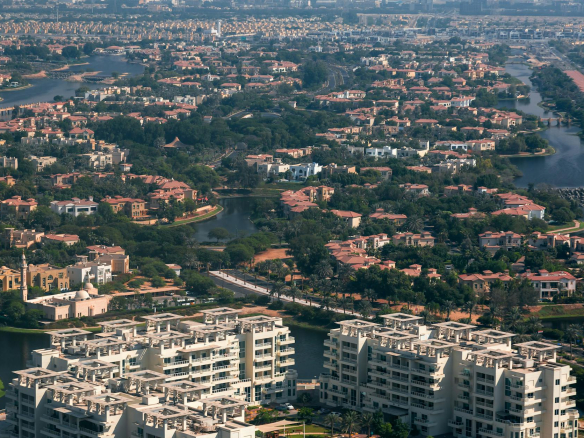
Peripheral areas such as Dubailand and Dubai South experience higher vacancy and slower price growth than central districts. Conversely, established luxury corridors (Palm Jumeirah, Emirates Hills) show price resilience and limited new supply, reinforcing their status as “anchor assets” in a diversified portfolio.
Risk Assessment: Scenarios for a Potential Crash
4.1 Severe Geopolitical Shock
A direct military conflict involving the UAE would be a black‑swan scenario. Tourism would collapse, expatriate inflows would halt, and corporate relocations would be deferred. Property values could experience a steep correction, especially in the luxury rental market.
4.2 Financial Contagion
If major regional banks faced solvency issues, credit availability would tighten sharply, leading to default risk for off‑plan buyers and a slowdown in construction. A rapid increase in LTV ratios could exacerbate price declines.
4.3 Oversupply Trigger
An unexpected surge in completed units, especially in lower‑to‑mid‑range segments, could push vacancy rates above 12 %, compressing rents and forcing developers to discount prices. Historical data from 2014‑2015 show a vacancy rate above 12 % coincided with a 15 % dip in average price per square foot.
4.4 Probability Assessment
While each risk factor exists, the probability of a full‑scale crash in the near term remains low. The UAE’s diversified economy, strong fiscal reserves, and proactive regulatory measures have historically mitigated systemic shocks.
Opportunities for Strategic Investors
5.1 Value‑Add Acquisitions
Properties in emerging sub‑markets with moderate vacancy but solid demographic fundamentals present value‑add opportunities. Investors can improve net operating income (NOI) through repositioning, refurbishment, or targeted marketing to expatriate professionals.
5.2 Long‑Term Rental Demand
The sustained influx of remote workers and digital nomads, spurred by the UAE’s remote‑work visa, creates growing demand for fully furnished, serviced apartments. Investing in high‑quality assets that cater to this segment can deliver stable cash flow and upside potential.
5.3 Capital Recycling
Family offices with existing holdings in Dubai can consider partial disinvestments in over‑exposed sectors (e.g., low‑cost high‑rise) and redeploy capital into premium mixed‑use developments that align with the city’s “Live‑Work‑Play” vision.
5.4 ESG‑Focused Projects
The UAE’s commitment to sustainability (Dubai Clean Energy Strategy 2050) encourages developers to embed green building standards. ESG‑compliant assets attract institutional capital and may qualify for tax incentives under emerging UAE green‑finance frameworks.
Portfolio Takeaways for Investors, Entrepreneurs, and Family Offices
- Maintain geographic diversification – balance exposure between Dubai’s core luxury zones and emerging growth corridors in Abu Dhabi and Sharjah.
- Focus on income‑generating assets – prioritize properties with proven rental histories and low vacancy, especially those appealing to expatriates and remote workers.
- Monitor macro indicators – watch regional diplomatic developments, central bank policy, and global interest‑rate trends that affect capital costs.
- Leverage structured financing – use mezzanine or preferred equity structures to manage downside risk while preserving upside participation.
- Integrate ESG criteria – incorporate sustainability metrics into acquisition due diligence; ESG‑aligned assets tend to command premium valuations and lower financing costs.
- Plan for liquidity – retain adequate cash reserves to meet short‑term obligations and to seize opportunistic purchases when market sentiment temporarily softens.
How David Moya Real Estate LLC Enhances Your Investment Success
7.1 Trusted Advisory, Not Just Brokerage
David Moya Real Estate LLC positions itself as a strategic partner rather than a simple listing service. The firm’s core mission is to advise investors, entrepreneurs, family offices, and international buyers on UAE property opportunities through a portfolio‑thinking approach that emphasizes long‑term value creation.
7.2 Market Guidance & Investment Strategy
Leveraging deep local market knowledge, the firm offers bespoke market briefings on macro‑economic trends, regulatory updates, and sector‑specific dynamics, enabling clients to formulate coherent investment strategies aligned with risk tolerance and return objectives.
7.3 Location Selection & Property Shortlisting
The advisory team conducts granular location analyses—considering demographic growth, infrastructure projects, and supply‑demand balance—to identify high‑potential districts. A curated shortlist of vetted properties is presented, each accompanied by detailed financial modeling, comparable transaction data, and projected cash‑flow scenarios.
7.4 Transaction Support & Negotiation Perspective
From initial offer to final deed, David Moya Real Estate LLC provides end‑to‑end transaction support. Years of industry interaction give the firm a negotiation edge, helping clients secure favorable purchase prices, optimal payment terms, and protective clauses that mitigate future regulatory or market shifts.
7.5 Risk Awareness & Long‑Term Portfolio Planning
Risk assessment is embedded in every recommendation. Clients receive scenario‑based risk matrices, sensitivity analyses, and contingency planning tools. The advisory also helps integrate new acquisitions into a broader real‑estate portfolio, ensuring alignment with diversification goals, liquidity needs, and tax considerations.
7.6 Tangible Investor Outcomes
- Improved market understanding through data‑driven insights and on‑the‑ground intelligence.
- Clearer decision‑making via structured investment theses and transparent cost‑benefit analyses.
- Enhanced property selection focusing on assets with strong fundamentals and upside potential.
- Stronger risk evaluation with proactive identification of geopolitical, financial, and operational risks.
- Smoother purchasing process with streamlined due diligence, legal coordination, and post‑sale transition.
- Confidence in UAE entry through a trusted advisor who navigates cultural, regulatory, and logistical nuances.
Frequently Asked Questions (FAQ)
Q1: How does regional conflict affect rental yields in Dubai?
Rental yields are primarily driven by expatriate demand and tourism activity. While heightened tensions can temporarily dampen tourism, the core expatriate community remains steady, and yields have shown only modest fluctuation in recent quarters.
Q2: Is it safe to purchase off‑plan projects during this period?
Off‑plan purchases carry development risk, but UAE regulations now require developers to hold buyer funds in escrow accounts and meet strict completion milestones. Conducting due diligence through a reputable advisor mitigates most concerns.
Q3: What are the tax implications for international buyers?
The UAE imposes no property tax, capital gains tax, or inheritance tax on real estate. However, buyers should consider home‑country tax obligations, especially for rental income, and seek professional tax advice.
Q4: Can foreign investors obtain long‑term residency through property ownership?
Yes. The UAE offers a 10‑year Golden Visa for property investments exceeding AED 5 million, provided the investment is retained for the requisite period. This incentive enhances portfolio stability for long‑term investors.
Q5: How does David Moya Real Estate LLC support post‑purchase asset management?
The firm can connect investors with vetted property management partners, provide performance reporting, and advise on lease structuring, refinancing, and eventual disposition strategies.
Take Action – Contact David Moya Real Estate LLC
For a confidential discussion on how to structure your next UAE real‑estate acquisition, reach out today. Let our expertise be the cornerstone of your Dubai real‑estate success.
Phone: +971 4 123 4567
Email: info@davidmoya.ae
Research sources and credits
Research sources and credits: This article was prepared using reporting and market updates from the publishers below. Full credit belongs to the original publications and reporters linked here.
- Will Dubai’s Real Estate Market Crash As The Middle East War …
Credit: Web
Middle East war | Dubai | Iran vs US | Real estate | Property prices For the last several decades the UAE government has worked to build
Next steps
If you want help evaluating projects, comparing returns, or building a UAE property strategy, contact David Moya Real Estate at +971 52 217 2034 or info@davidmoya.org.