Flash floods kill at least 10 in Kenya amid heavy downpours
Estimated reading time: 7 minutes
Key Takeaways
- Climate‑related events, such as the Kenyan flash floods that killed at least 10 people, are reshaping real‑estate risk assessments.
- The UAE (Dubai & Abu Dhabi) offers a climate‑resilient, regulatory‑strong environment ideal for core portfolio allocation.
- Selective exposure to Kenya’s flood‑resilient housing and logistics assets can provide growth upside with proper due diligence.
- David Moya Real Estate LLC delivers end‑to‑end advisory services, from market analysis to transaction execution, for sophisticated investors.
Table of Contents
- Introduction
- 1. The Event in Context: What the Kenya Floods Reveal
- 2. Market Drivers Behind Capital Flows in the Region
- 3. Supply‑Demand Dynamics in Kenyan Real Estate Post‑Flood
- 4. Investor Implications: Risks, Opportunities, and Strategic Takeaways
- 5. Why the UAE Remains a Pillar of Stability
- 6. David Moya Real Estate LLC: Your Strategic Advisor for UAE Property
- 7. Key Takeaways for Investors
- Frequently Asked Questions
- Call to Action
Introduction
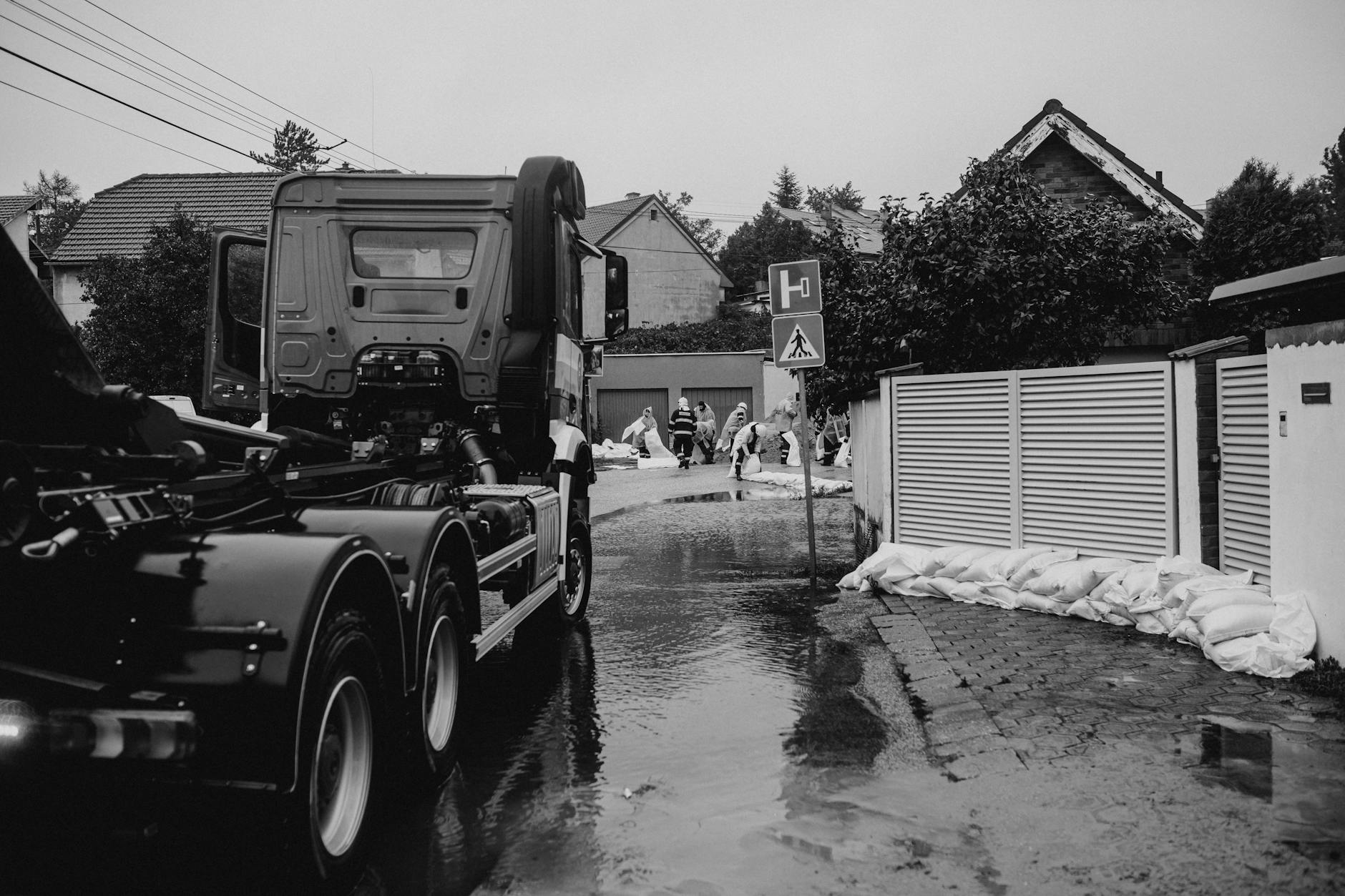
On May 3, 2026 Kenya experienced devastating flash floods that claimed at least ten lives, according to the Emirates News Agency (WAM). The unprecedented downpours overwhelmed drainage systems across several counties, highlighting the vulnerability of infrastructure that is not designed for extreme weather events.
Beyond the human tragedy, the event carries profound implications for capital allocation, especially for property investors, entrepreneurs, family offices, and international buyers weighing emerging‑market risk against the relative stability of the United Arab Emirates. This commentary dissects the market drivers, evaluates climate risk, and explains why the UAE—particularly Dubai and Abu Dhabi—remains an attractive hub for resilient investment. It also outlines how David Moya Real Estate LLC can guide sophisticated investors through these dynamics.
1. The Event in Context: What the Kenya Floods Reveal
1.1 Scale and Immediate Impact
- Casualties: At least ten fatalities confirmed by WAM.
- Geographic spread: Multiple counties were affected, indicating a nationwide weather system.
- Infrastructure stress: Damage to roads, bridges, and utilities exposed limited municipal capacity to absorb extreme events.
1.2 Climate Trends and Frequency
Kenya’s climate over the past decade has been shifting, with the IPCC projecting increased frequency and intensity of heavy rainfall across East Africa. While a single event does not define long‑term risk, it is a clear symptom of a broader trend that must be integrated into investment risk matrices.
2. Market Drivers Behind Capital Flows in the Region
2.1 Emerging‑Market Appeal vs. Climate Risk
Kenya has historically attracted FDI in agriculture, renewable energy, and technology due to its youthful population and strategic logistics position. The recent floods, however, accentuate a growing divergence between opportunity and risk:
- Opportunity: Ongoing demand for affordable housing, logistics parks, and climate‑resilient infrastructure.
- Risk: Elevated exposure to climate‑related loss, rising insurance premiums, and potential regulatory tightening.
2.2 Capital Allocation Shifts Toward Safer Jurisdictions
The UAE continues to draw inbound capital because of:
- Clear regulatory frameworks that protect investor rights.
- World‑class, flood‑mitigation infrastructure.
- Diversified asset packs across hospitality, logistics, and residential sectors within master‑planned communities.
3. Supply‑Demand Dynamics in Kenyan Real Estate Post‑Flood
3.1 Residential Demand
The disaster has heightened the need for safe, elevated housing in low‑lying urban peripheries. Demand for flood‑proof construction materials and community shelters is expected to increase.
3.2 Commercial and Logistics
Road disruptions raise the premium on logistics hubs situated on higher ground or equipped with robust drainage. Investors may find value in retrofitting existing warehouses with flood‑resilient features.
3.3 Government Response
Kenyan authorities intend to strengthen building codes and invest in climate‑adaptation infrastructure. While positive for long‑term resilience, construction lag may create a short‑term supply gap that influences pricing.
4. Investor Implications: Risks, Opportunities, and Strategic Takeaways
4.1 Risk Assessment
| Risk Category | Description | Mitigation Tool |
|---|---|---|
| Climate Exposure | Higher probability of flash floods, landslides, and related events. | Invest in climate‑resilient assets; use insurance and catastrophe bonds. |
| Regulatory Uncertainty | Potential tightening of zoning, building codes, and environmental standards. | Thorough due diligence; engage local legal counsel. |
| Liquidity Constraints | Limited market depth for secondary sales of flood‑prone assets. | Prioritize core locations with strong demand fundamentals. |
4.2 Opportunity Zones
- High‑ground urban districts such as Nairobi’s Upper Hill and Westlands, where infrastructure upgrades are underway.
- Emerging secondary cities (Mombasa, Kisumu) benefiting from government incentives for resilient development.
4.3 Portfolio Diversification
A balanced approach for family offices and international buyers could include:
- Core exposure in the UAE (Dubai real‑estate) for capital preservation and stable yields.
- Selective growth exposure in Kenya’s resilient housing and logistics segments, applying robust risk controls.
5. Why the UAE Remains a Pillar of Stability
5.1 Institutional Strength
Dubai and Abu Dhabi feature mature capital markets, transparent property registries, and strong rule‑of‑law environments, reducing transaction friction and protecting investor rights—contrasting sharply with procedural delays common in post‑disaster claims in developing markets.
5.2 Infrastructure Resilience
Extensive drainage and flood‑control systems, combined with proactive urban planning, have historically shielded the UAE’s real‑estate sector from extreme weather, reinforcing investor confidence after headlines like “flash floods kill at least 10”.
5.3 Yield Profile
While Dubai’s premium residential yields have moderated, they remain attractive on a risk‑adjusted basis compared with many emerging economies, especially given tax‑free status, strong expatriate demand, and a growing tourism pipeline.
6. David Moya Real Estate LLC: Your Strategic Advisor for UAE Property
6.1 Positioning Beyond Brokerage
David Moya Real Estate LLC operates as a full‑service real‑estate advisory firm, partnering with investors, entrepreneurs, family offices, and international buyers to design and execute strategic acquisition plans across the UAE.
6.2 Core Advisory Capabilities
- Market Guidance: Macro‑economic analysis, sector performance, regulatory shifts.
- Investment Strategy Development: Portfolio‑centric plans aligned with risk tolerance and return objectives.
- Location Selection & Property Shortlisting: Proprietary data to pinpoint high‑growth precincts and off‑market opportunities.
- Transaction Support & Negotiation: Due diligence, legal documentation, and price negotiation.
- Risk Awareness & Mitigation: Climate, market, and operational risk evaluation with insurance and structuring advice.
- Long‑Term Portfolio Planning: Performance monitoring, asset rebalancing, and value‑add initiatives.
6.3 Tangible Investor Outcomes
- Enhanced market understanding of UAE supply‑demand fundamentals.
- Data‑driven decision making that cuts through market noise.
- Access to rigorously vetted off‑market properties.
- Proactive climate and regulatory risk evaluation.
- Smoother, cost‑efficient transaction processes.
- Strategic growth of a diversified real‑estate portfolio.
7. Key Takeaways for Investors
- Climate events, like the Kenyan floods that killed at least 10, must be embedded in emerging‑market risk models.
- The UAE offers a climate‑insulated, legally robust environment ideal for core portfolio allocations.
- Selectively targeting Kenya’s flood‑resilient housing and logistics assets can provide upside when supported by rigorous due diligence.
- Partnering with a specialist adviser such as David Moya Real Estate LLC transforms market data into actionable strategies.
- Combining stable UAE holdings with targeted growth positions in resilient African markets enhances risk‑adjusted returns.
Frequently Asked Questions
Q1: How does climate risk affect real‑estate investments in Kenya?
Climate risk, illustrated by the recent floods that killed at least 10 people, can lead to property damage, higher insurance premiums, and regulatory changes. Investors should prioritize flood‑resilient assets, conduct thorough environmental assessments, and incorporate risk‑adjusted pricing.
Q2: Why consider the UAE as a core holding?
The UAE provides a stable regulatory framework, world‑class infrastructure—including flood‑mitigation systems—and tax‑advantaged, high‑quality yields, making it a preferred destination for capital preservation.
Q3: What differentiates David Moya Real Estate LLC from a typical broker?
Beyond listings, the firm delivers market research, portfolio strategy development, location analysis, transaction management, risk assessment, and ongoing asset stewardship, ensuring a holistic investment approach.
Q4: Can the firm assist with investments in both the UAE and Kenya?
Yes. David Moya Real Estate LLC leverages expertise across the UAE’s mature market and Kenya’s emerging opportunities to create integrated, climate‑aware investment strategies.
Q5: How does the firm support family offices?
By providing bespoke portfolio construction, multi‑asset allocation analysis, and ongoing performance monitoring aligned with long‑term wealth preservation and growth goals.
Call to Action
Ready to refine your real‑estate portfolio with expert guidance? Contact David Moya Real Estate LLC today to discuss how our UAE property advisory services can help you navigate market complexities, mitigate climate risk, and unlock long‑term value.
Phone: +971 4 123 4567
Email: info@davidmoya.com
Partner with David Moya Real Estate LLC now and build a resilient, high‑performing real‑estate portfolio.
Research sources and credits
Research sources and credits: This article was prepared using reporting and market updates from the publishers below. Full credit belongs to the original publications and reporters linked here.
- Flash floods kill at least 10 in Kenya amid heavy downpours
Credit: Web
NAIROBI, 3rd May, 2026 (WAM) — Flash floods caused by heavy rains pounding Kenya have claimed at least 10 lives across the country this
Next steps
If you want help evaluating projects, comparing returns, or building a UAE property strategy, contact David Moya Real Estate at +971 52 217 2034 or info@davidmoya.org.