The disconnect between rising equities and high oil prices
Estimated reading time: 7 minutes
Key Takeaways
- Equity markets remain buoyant thanks to AI‑driven growth and accommodative monetary policy, despite elevated oil prices.
- The UAE property market offers strong yield potential and price resilience, especially in premium office, luxury residential, logistics and mixed‑use assets.
- Recent regulatory reforms—100 % foreign ownership and long‑term visas—enhance exit flexibility for international investors.
- Investors should focus on assets with limited supply, ESG credentials and tenants that are technology‑enabled.
Table of Contents
Introduction
When investors glance at the global markets today, a striking paradox emerges: equity indices are climbing while oil prices stay stubbornly high. This disconnect has become a focal point for wealth managers, family offices and international buyers who must constantly reassess where capital can be deployed for the best risk‑adjusted returns. For property investors eyeing the United Arab Emirates, understanding this divergence is essential for timing acquisitions, structuring portfolios and preserving long‑term value in a market historically intertwined with energy trends.
1. What is driving the current market paradox?
1.1 Energy shock perceived as transitional
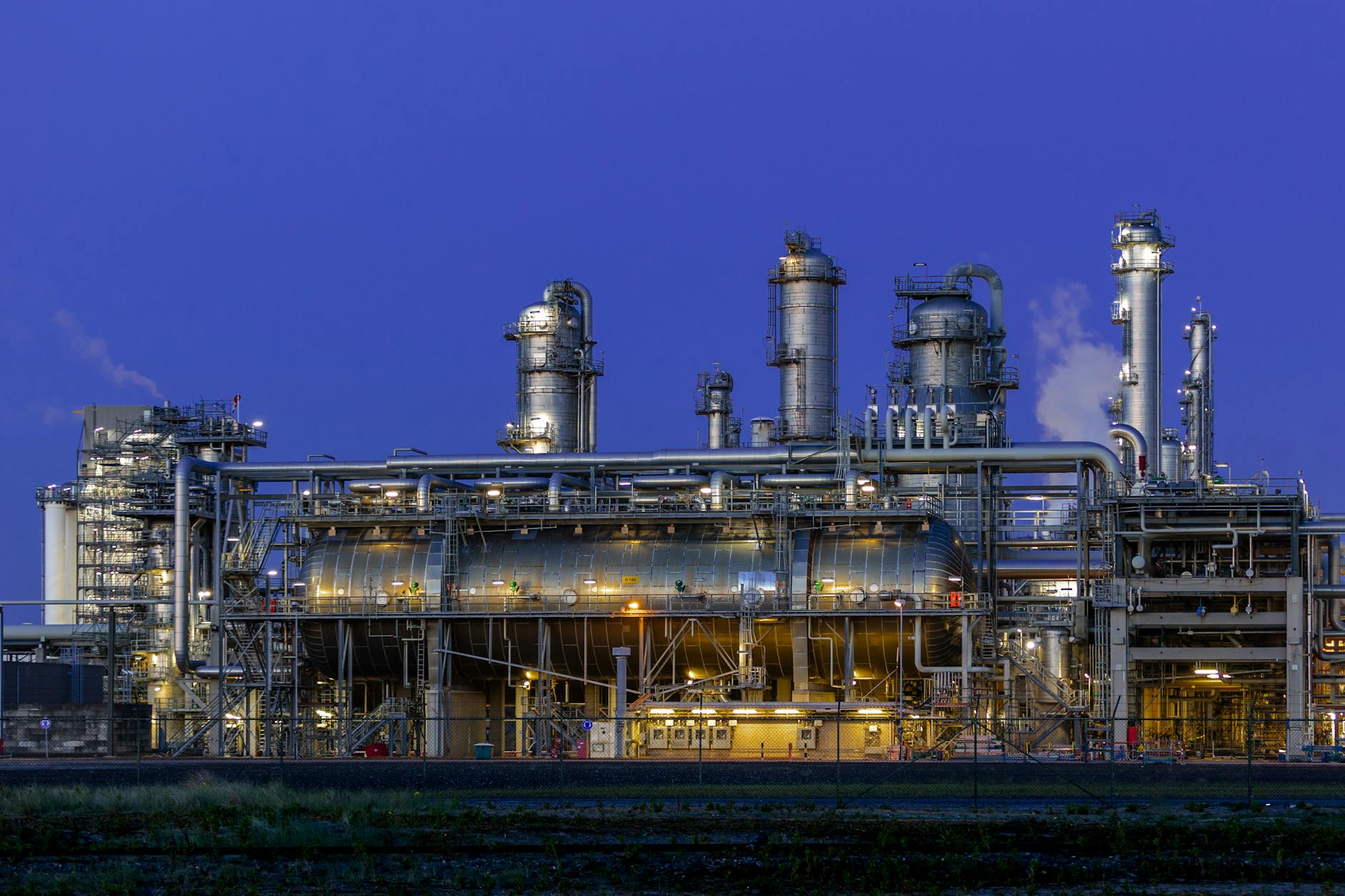
Anita Gupta, CIO at Wealthbrix Capital Partners, noted in a recent CNBC interview that market sentiment remains buoyant despite elevated oil prices. Strategists view the spike as a temporary blip linked to short‑term supply constraints and geopolitical tension, not a permanent shift in oil demand fundamentals. Rapid renewable rollout and accelerated EV adoption reinforce a long‑run narrative of de‑carbonisation, leading investors to discount the impact of high oil prices on diversified corporates.
1.2 The AI trade fuels equity rally
AI‑related earnings guidance is propelling valuations across semiconductors, cloud providers and a host of growth stocks. Even traditionally defensive sectors such as consumer staples and utilities have benefited, allowing the broader equity market to thrive despite higher energy costs.
1.3 Monetary policy and liquidity dynamics
Central banks have entered a rate‑pause cycle after a series of hikes. In the United States the Federal Reserve is now seen as “neutral to slightly accommodative,” keeping long‑term yields low. This environment fuels a search for yield that pushes capital into equities and real‑asset investment, while modestly easing inflation expectations supports risk‑asset allocation.
2. Capital flows and buyer sentiment: The UAE angle
2.1 Why the Gulf remains a magnet for global capital
The UAE, especially Dubai and Abu Dhabi, offers a two‑fold advantage:
- Wealth preservation: High‑net‑worth individuals seek stable stores of value against a weaker dollar and elevated inflation.
- Strategic diversification: Institutional investors reallocate from energy‑heavy portfolios toward the UAE’s non‑oil growth agenda (tourism, finance, tech, logistics).
2.2 Supply‑demand fundamentals in Dubai and Abu Dhabi
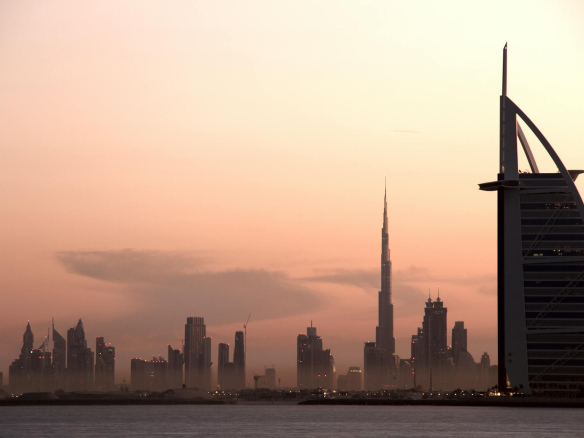
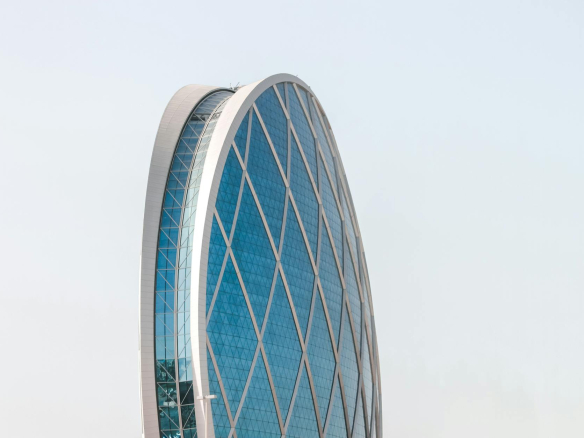
Premium segments are experiencing tight supply and robust overseas demand. New luxury units in Dubai are being calibrated to avoid oversupply, while projects such as Dubai Creek Harbour attract sovereign wealth funds. Abu Dhabi’s lower inventory density and upcoming AFCON 2027 preparations are driving a surge in office demand.
3. Implications for property investors
3.1 Portfolio diversification benefits
Real assets in the UAE provide steady cash flow, inflation protection and a tangible hedge against volatile AI‑driven equities. The transparent title system and strong legal protections further enhance appeal.
3.2 Yield considerations
With bond yields modest, the spread to high‑quality UAE property has widened. Prime office and residential assets can deliver 5‑7 % gross yields plus capital appreciation.
3.3 Risk factors to monitor
- Construction cost volatility due to higher energy‑intensive material prices.
- Geopolitical exposure, mitigated by the UAE’s diversified economy and diplomatic ties.
- Regulatory changes around foreign ownership and long‑term visas.
4. Opportunities emerging from the disjunction
4.1 Logistics and warehousing
Higher oil prices make air freight costlier, shifting shippers toward sea and land routes that flow through UAE ports. Occupancy in Jebel Ali and KIZAD exceeds 95 %.
4.2 “Live‑Work‑Play” mixed‑use developments
Hybrid work models are driving demand for mixed‑use precincts such as Meydan One (Dubai) and Al Maryah Island (Abu Dhabi), offering multiple income streams.
4.3 Hospitality assets with a tech twist
Dubai’s luxury hospitality is rebounding ahead of Expo 2027. Hotels that embed AI‑enhanced guest experiences are generating higher RevPAR and operational efficiency.
5. Forward‑looking strategies for the savvy investor
- Anchor acquisitions in prime locations: Target central business districts and mega‑projects with limited new supply.
- Leverage long‑term visas and 100 % foreign ownership: Use freehold zones to enhance exit flexibility.
- Integrate ESG considerations: Prioritise energy‑efficient and smart‑building certifications to command premium rents.
- Structure financing for rate resilience: Lock in fixed‑rate loans while the UAE banking sector offers attractive LTV ratios.
- Monitor tenant tech adoption: Conduct due diligence on AI roadmaps and data‑security postures.
6. Frequently Asked Questions
Q1: How does the high oil price environment affect the operating costs of UAE property assets?
Oil spikes raise construction material and utility costs, but large developments embed cost‑inflation buffers. The region’s tax‑free regime and the ability to pass through service‑charge escalations mitigate the impact on net operating income.
Q2: Are there any advantages to investing in Abu Dhabi versus Dubai given the current market dynamics?
Abu Dhabi offers lower inventory density and stronger price stability, particularly in premium office and residential segments. Dubai provides deeper liquidity and a larger pool of international buyers, especially for luxury and mixed‑use projects.
Q3: Should investors be concerned about the volatility of equity markets when allocating to UAE real estate?
The current disconnect signals that equities may remain volatile. UAE real estate delivers steady cash flow and a hedge against equity swings, making it a valuable diversification tool.
Q4: What is the outlook for logistics and warehousing demand in the UAE?
Higher oil prices increase the cost of air freight, boosting reliance on sea and land routes through UAE ports. Combined with e‑commerce growth, demand for logistics space remains strong, with occupancy north of 90 % in key zones.
Q5: How can I benefit from the UAE’s new foreign‑ownership regulations?
The reforms permit 100 % foreign ownership in designated freehold areas and simplify acquisition processes. Investors can also leverage the long‑term visa program to attract end‑user buyers seeking residency stability.
Conclusion & Call to Action
The prevailing disconnect between rising equities and high oil prices signals a shift in traditional market correlations. For investors targeting the UAE, this creates a unique window to deploy capital into real assets that deliver both yield and resilience. By aligning with macro drivers—transitional energy shock, AI‑driven equity enthusiasm, and accommodative monetary policy—investors can capture upside while mitigating downside.
Strategic acquisition in Dubai’s high‑growth mixed‑use precincts, Abu Dhabi’s premium office corridors, or the expanding logistics hubs can form the foundation for long‑term wealth creation. Pair rigorous market analysis with an eye on regulatory evolution and ESG imperatives to ensure each investment aligns with both current conditions and future regional aspirations.
Ready to capitalize on the market paradox? Contact David Moya Real Estate today to discuss how you can position your capital for optimal returns in the UAE property market.
Phone: +971 4 XXXX XXXX
Email: investments@davidmoya‑realestate.com
Let us help you turn the disconnect into your next strategic advantage.
Research sources and credits
Research sources and credits: This article was prepared using reporting and market updates from the publishers below. Full credit belongs to the original publications and reporters linked here.
- The disconnect between rising equities and high oil prices
Credit: Web | Published: Mon, 27 Apr 2026 07:22:41 GMT
Video Latest Video Full Episodes Livestream Top Video Live Audio Europe TV Asia TV CNBC Podcasts CEO Interviews Digital Originals Watchlist Investing Club Trust Portfolio Analysis Trade Alerts Meeting Videos Homestretch Jim’s Columns Education Subscribe PRO Pro News Josh Brown Mike Santoli Calls of the Day My Portfolio Livestream Full Episodes Stock Screener Market Forecast Options Investing Chart Investing Subscribe Livestream Make It select USA INTL Livestream Livestream Watchlist SIGN IN Create free account Markets Business Investing Tech Politics Video Watchlist Investing Club PRO Livestream Monday – Friday: 12:00 – 13:00 SIN/HK | 0600 – 07:00 CET watch now In this video @LCO.1 @CL.1 Share Access Middle East […] Skip Navigation Markets Pre-Markets U.S. Markets Europe Markets China Markets Asia Markets World Markets Currencies Prediction Markets Cryptocurrency Futures & Commodities Bonds Funds & ETFs Business Economy Finance Health & Science Media Real Estate Energy Climate Transportation Investigations Industrials Retail Wealth Sports Life Small Business Investing Personal Finance Fintech Financial Advisors Options Action ETF Street Buffett Archive Earnings Trader Talk Tech Cybersecurity AI Enterprise Internet Media Mobile Social Media CNBC Disruptor 50 Tech Guide Politics White House Policy Defense Congress Expanding Opportunity Europe Politics China Politics Asia Politics World Politics Video […] In this video @LCO.1 @CL.1 Share Access Middle East # The disconnect between rising equities and high oil prices Anita Gupta, CIO at Wealthbrix Capital Partners says market sentiment remains positive despite high oil prices. She discusses how the markets are betting the energy shock is transitionary, and how the AI trade is still driving a global rally. 03:37 16 minutes ago
Next steps
If you want help evaluating projects, comparing returns, or building a UAE property strategy, contact David Moya Real Estate at +971 52 217 2034 or info@davidmoya.org.