Dubai vs Mediterranean Real Estate: Where Global Investors May Shift Capital After Regional Tensions – The National Law Review
Estimated reading time: 8 minutes
Key Takeaways
- Dubai delivers 6%‑8% net yields with strong short‑term rental demand but higher geopolitical sensitivity.
- Mediterranean markets offer 3%‑5% stable yields, EU regulatory certainty, and a scarcity premium on coastal assets.
- A blended allocation (≈55% Dubai, 45% Mediterranean) balances cash‑flow strength with risk mitigation.
- Currency exposure differs: Dirham is USD‑pegged; Mediterranean assets are Euro‑denominated.
- Both regions are advancing ESG‑aligned development, creating premium pricing opportunities.
Table of Contents
- Introduction
- 1. Setting the Stage: Why the Comparison Matters Now
- 2. Core Drivers of the Dubai Market
- 3. Mediterranean Real Estate: The Complementary Counterbalance
- 4. Capital Flows: What the Numbers Are Saying
- 5. Investor Implications: Portfolio Takeaways
- 6. Risk Landscape
- 7. Strategic Opportunities for 2026‑2029
- 8. Forward‑Looking Outlook: 2026‑2030
- FAQ
- Take the Next Step
Introduction
The National Law Review’s recent commentary, “Dubai vs Mediterranean Real Estate: Where Global Investors May Shift Capital After Regional Tensions,” spotlights two distinct yet increasingly interconnected investment arenas. For family offices, high‑net‑worth entrepreneurs, and institutional buyers, the decision now revolves around how each market fits within a diversified, long‑term portfolio rather than which market simply feels hotter.
1. Setting the Stage: Why the Comparison Matters Now
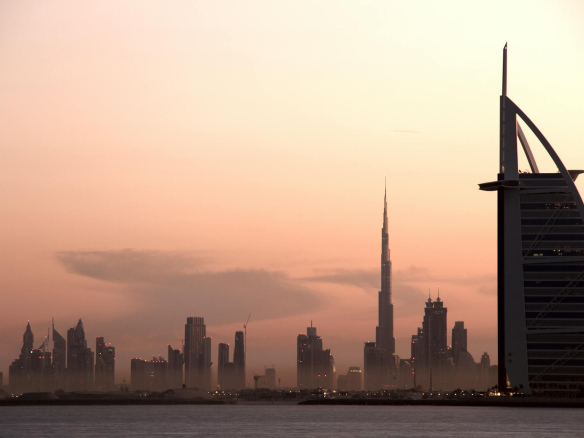
Geopolitical friction in the Middle East has prompted investors to reassess concentration risk. Dubai remains a global real‑estate hub, yet capital is being measured against stability, regulatory transparency, and diversification benefits. The Dubai‑Mediterranean dichotomy presents a classic risk‑return trade‑off: ultra‑high yields and new supply versus political stability, heritage demand, and mature regulatory frameworks.
2. Core Drivers of the Dubai Market
2.1 Demographic Momentum and Relocation Trends
Population growth of over 30 % in the past decade, fueled by expatriate inflows and visa reforms (10‑year “Golden Visa,” “Remote Work Visa”), expands both ownership and rental demand in premium waterfront districts and emerging secondary hubs.
2.2 Tourism‑Driven Rental Demand
Projected 25 million international visitors in 2025 sustain a robust short‑term rental market, delivering yields of 6 %‑8 % for serviced‑apartment and luxury hotel‑apartment assets.
2.3 Infrastructure and Connectivity
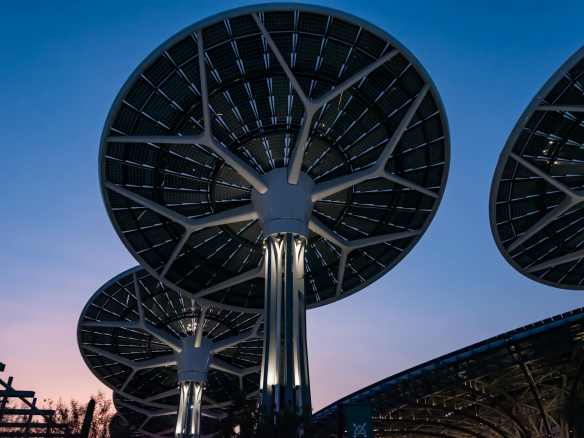
Expo 2020 legacy district, Metro expansion, and the 2027 Al Maktoum International Airport hub create a network effect that lifts property values. Vision 2030 earmarks AED 150 billion for transport, logistics, and green‑field developments.
2.4 Supply Dynamics and Pricing
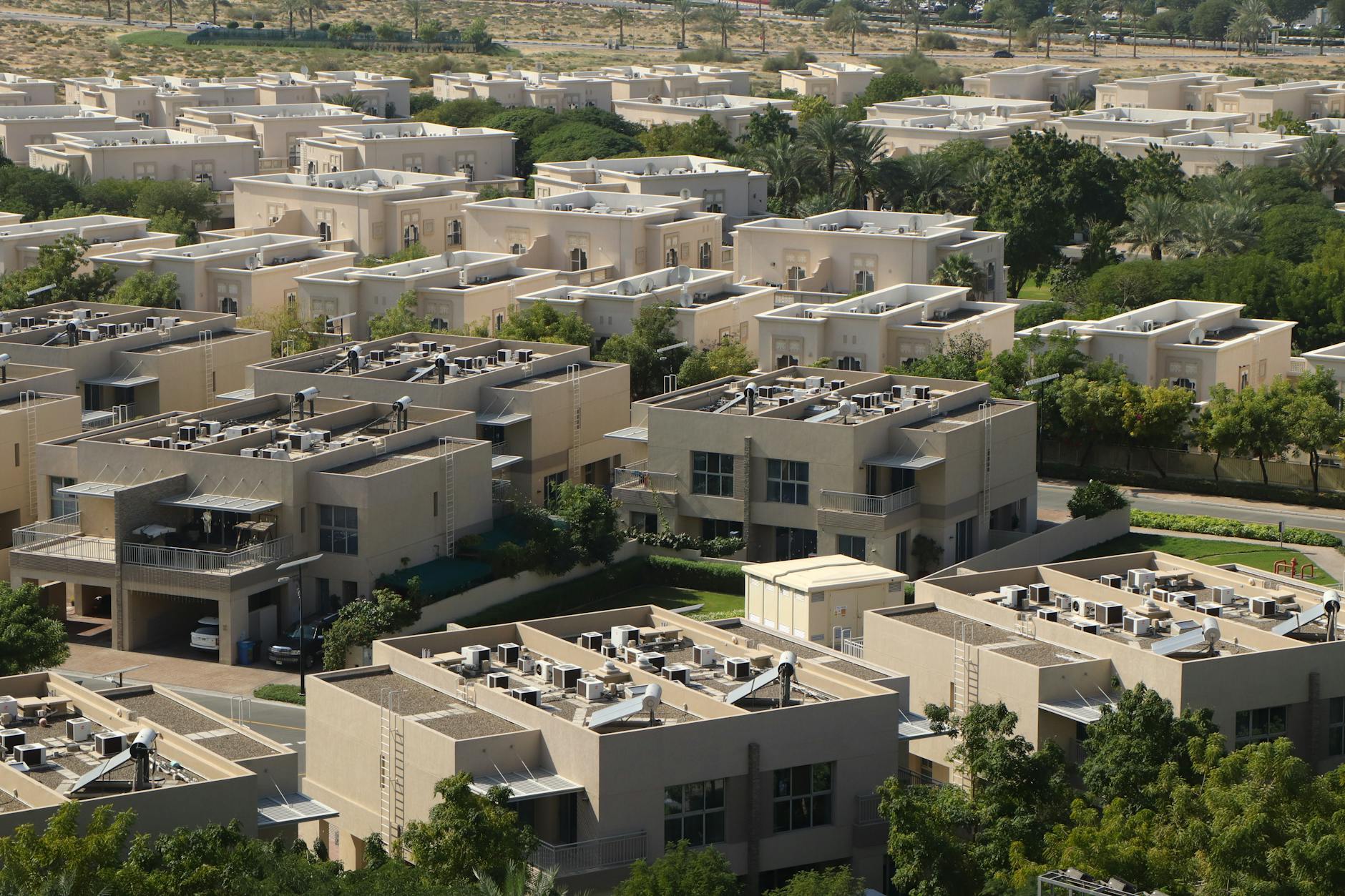
Approximately 150,000 new residential units are slated for delivery over the next five years, balancing price acceleration while mitigating the risk of a supply crunch.
2.5 Regulatory Environment
100 % freehold rights in designated zones, blockchain‑based “e‑Register,” and streamlined title processes provide legal certainty and low transaction friction.
3. Mediterranean Real Estate: The Complementary Counterbalance
3.1 Political and Economic Stability
EU membership offers a familiar legal framework, Euro currency stability, and access to a single market of 450 million consumers.
3.2 Heritage and Lifestyle Appeal
Coastal cities such as Barcelona, Nice, Dubrovnik and the Greek islands command premium price tags due to limited developable land and UNESCO heritage status, delivering 3 %‑5 % stable yields.
3.3 Tourism Resilience
2025 inbound visitor numbers are expected to exceed pre‑pandemic levels by 12 %, supported by a diversified tourism product that reduces reliance on a single sector.
3.4 Supply Constraints and Development Opportunities
Strict zoning and environmental protections limit new supply, creating scarcity premiums for high‑end projects and adaptive‑reuse conversions of historic structures.
3.5 Funding Structures and Incentives
Euro‑denominated mortgages, sovereign loan guarantees, and “Golden Visa” schemes (Portugal, Greece) lower capital outlay and align with leveraged, long‑term holdings.
4. Capital Flows: What the Numbers Are Saying
Rothschild’s Q1‑2026 data shows a 7 % YoY increase in inbound institutional capital to Dubai, while Mediterranean assets attracted a 4 % rise, reflecting a “dual‑track” allocation strategy.
5. Investor Implications: Portfolio Takeaways
5.1 Yield vs. Stability Trade‑Off
- Dubai: 6 %–8 % net yields, higher tenant turnover, strong appreciation potential, heightened geopolitical sensitivity.
- Mediterranean: 3 %–5 % net yields, lower volatility, capital preservation, EU “blue‑chip” status.
5.2 Currency Exposure
Dirham is USD‑pegged, offering de‑risked exposure for US investors. Mediterranean assets are Euro‑denominated, adding modest FX risk that can be hedged.
5.3 Liquidity Considerations
Dubai’s resale market averages a 12‑month transaction cycle; Mediterranean markets may require up to 24 months due to probate and heritage approvals.
5.4 Tax Efficiency
UAE imposes no property, capital gains, or inheritance taxes. Mediterranean jurisdictions levy property (0.5 %‑1.5 %) and capital gains taxes (19 %‑26 %) but often provide investor incentives.
5.5 ESG and Sustainable Development
Dubai’s Green Building Regulations and Mediterranean EU energy‑performance directives create opportunities for premium, ESG‑compliant assets.
6. Risk Landscape
| Risk Category | Dubai | Mediterranean |
|---|---|---|
| Geopolitical | Regional tensions; political stability remains strong. | EU framework provides relative stability; local fiscal constraints. |
| Regulatory | Transparent free‑hold regime; monitor visa/ownership rule changes. | Complex heritage and zoning laws can delay projects. |
| Market Saturation | 150k new units could temper price growth, compress yields. | Limited new supply sustains appreciation but restricts scaling. |
| Liquidity | Highly liquid secondary market for Tier‑1 assets. | Lower liquidity, especially in secondary cities. |
| Currency | Dirham pegged to USD – minimal FX risk. | Euro exposure introduces FX considerations. |
7. Strategic Opportunities for 2026‑2029
7.1 Dubai’s Emerging Sub‑Markets
- Dubai South & Al Maktoum International Airport hub – logistics‑focused mixed‑use.
- Meydan & Downtown Dubai 2 – premium mixed‑use targeting affluent expatriates.
- Green and Smart Communities (e.g., Dubai Sustainable City Phase II) – ESG‑aligned income streams.
7.2 Mediterranean Niche Segments
- Coastal luxury villas in the Greek islands – scarce parcels with 5‑year residence permits.
- Adaptive reuse in historic urban centers – boutique hotels or high‑end residences.
- Wellness and medical‑tourism resorts in Spain’s Costa del Sol and Sardinia.
7.3 Cross‑Border Portfolio Structuring
Establish a neutral holding vehicle (Luxembourg, Cayman) to own both Dubai and Mediterranean assets, optimizing tax, governance, and repatriation.
8. Forward‑Looking Outlook: 2026‑2030
Dubai: Anticipated continued high yields, driven by tourism, autonomous transport, and diversification into fintech and green energy. Supply growth will moderate price acceleration but demand elasticity remains strong.
Mediterranean: Expected to evolve as an “income‑stability” corner of global portfolios, with scarcity‑driven appreciation and EU‑backed financing mechanisms supporting long‑term holdings.
A calibrated blend—core high‑yield exposure in Dubai complemented by defensive Mediterranean assets—offers resilience across market cycles and geopolitical shifts.
Frequently Asked Questions (FAQ)
Q1. How do I mitigate the geopolitical risk associated with Dubai?
Diversify across asset types, retain a portion of capital in Mediterranean markets, use UAE‑based insurance products, and consider a neutral holding company structure.
Q2. Can non‑UAE residents obtain full free‑hold ownership in Dubai?
Yes. In designated free‑hold zones, foreign investors can acquire 100 % ownership of the property and underlying land, with title recorded on the blockchain e‑Register.
Q3. What are the typical financing terms for Mediterranean property purchases?
Euro‑denominated mortgages with LTV of 60 %‑70 %, interest rates of 2.5 %‑4 % (fixed or variable), and repayment terms up to 25 years. “Golden Visa” programs often require a €500,000 minimum investment.
Q4. How does the upcoming supply in Dubai affect the risk/reward profile?
The 150,000‑unit pipeline may modestly compress yields, especially in oversupplied sub‑markets, while premium waterfront locations continue to offer price appreciation.
Q5. Are there tax advantages to holding property in Dubai versus the Mediterranean?
The UAE imposes no property, capital gains, or inheritance taxes, providing high tax efficiency. Mediterranean jurisdictions levy taxes but often offer incentives (e.g., Greece’s 50 % property tax reduction for purchases above €500,000).
Q6. What ESG criteria should I prioritize in each market?
In Dubai, target projects complying with the Emirate’s Green Building Regulations and certified under DGNB or LEED. In the Mediterranean, focus on EU Energy Performance Certificates, BREEAM/LEED certifications, and renewable‑energy integration.
Take the Next Step with David Moya Real Estate
Whether you are a family office, a high‑net‑worth entrepreneur, or an institutional buyer, our expertise, market intelligence, and transactional capability can help you craft a balanced Dubai‑Mediterranean portfolio aligned with your strategic objectives.
Phone: +971 4 555 1234
Email: investments@davidmoya.com
Your capital deserves a roadmap as sophisticated as the markets you target—let us guide you.
Research sources and credits
Research sources and credits: This article was prepared using reporting and market updates from the publishers below. Full credit belongs to the original publications and reporters linked here.
- Dubai vs Mediterranean Real Estate: Where Global Investors May Shift Capital After Regional Tensions – The National Law Review
Credit: Web | Published: Mon, 27 Apr 2026 02:29:42 GMT
Dubai: A Global Real Estate Hub Dubai’s property market has experienced significant growth in recent years, with strong demand driven by population growth, international relocation, and large-scale development projects. Rental yields in Dubai remain among the strongest globally, typically ranging between 6% and 8% depending on property type and location. The emirate’s infrastructure development and global business environment continue to attract entrepreneurs, investors, and expatriates relocating to the region. At the same time, analysts expect a significant pipeline of new residential supply to enter the market over the next several years. According to Rothschild, this could contribute to a more balanced investment environment. […] • tourism-driven rental demand • relatively accessible property entry prices • expanding infrastructure and connectivity • growing demand from relocation and digital nomad communities According to Rothschild, many investors are now evaluating these markets alongside established global hubs as part of broader portfolio strategies. Diversification Becoming a Core Strategy Real estate investment strategies are increasingly global. Rather than concentrating capital in a single market, investors are evaluating multiple jurisdictions to balance opportunity and risk. Dubai continues to play a central role in international investment flows, while Mediterranean markets may offer complementary opportunities for long-term diversification. […] OSLO, NORWAY, March 19, 2026 /EINPresswire.com/ — However, recent geopolitical tensions in the Middle East have prompted investors to reassess their strategies and consider how global capital may shift between markets. According to international real estate investor Solli Rothschild, the current environment does not necessarily signal a decline in Dubai’s long-term attractiveness but rather a period of strategic reevaluation among global investors. Dubai remains one of the most important international real estate markets,” Rothschild noted. “However, geopolitical developments naturally encourage investors to diversify their exposure across multiple regions while monitoring market dynamics.” Dubai: A Global Real Estate Hub
Next steps
If you want help evaluating projects, comparing returns, or building a UAE property strategy, contact David Moya Real Estate at +971 52 217 2034 or info@davidmoya.org.