Lockheed Birth Defect Judge Slams Door On Trial Aids Fight – Law360
Estimated reading time: 7 minutes
Key Takeaways
- The Lockheed decision may lower litigation‑risk premiums for real‑estate assets worldwide.
- UAE insurance pricing and loan covenants could adjust in response to the ruling.
- Diversify between Dubai’s high‑growth residential/commercial markets and Abu Dhabi’s stable logistics sector.
- Leverage ESG and local regulatory tools (RERA) to mitigate future legal exposure.
- Partner with experts like David Moya Real Estate to translate legal insight into portfolio value.
Table of Contents
- Introduction
- Why a Federal Trial Verdict Matters to Property Capital
- The UAE Real‑Estate Landscape in a Post‑Lockheed Era
- Investor Implications: Translating Legal Outcomes into Portfolio Strategy
- Risks to Monitor
- Opportunities Emerging from the Legal Landscape
- Dubai & Abu Dhabi: Market Mechanics
- Strategic Takeaways for Portfolio Construction
- Forward‑Looking Outlook
- FAQ
- Take the Next Step
Introduction
When a high‑profile federal judge abruptly ends a landmark product‑liability trial, the impact ripples far beyond the courtroom. The recent “Lockheed Birth Defect Judge Slams Door On Trial Aids Fight” story on Law360 has drawn the attention of litigators, insurers, and—perhaps surprisingly—real‑estate investors. For capital managers overseeing property portfolios, the evolving legal landscape is a critical variable in risk assessment, financing structures, and long‑term value creation.
David Moya Real Estate has spent years guiding investors, entrepreneurs, family offices, and international buyers through the complexities of the United Arab Emirates (UAE) property market. This commentary translates the implications of the Lockheed decision into actionable insight for real‑estate stakeholders, exploring market drivers, buyer sentiment, supply‑and‑demand dynamics, and concrete portfolio takeaways.
Why a Federal Trial Verdict Matters to Property Capital
The core of the Lockheed case involved alleged birth‑defect injuries linked to a decades‑old aerospace component. While the subject matter seems distant from bricks and mortar, the underlying legal principles—product liability, class‑action certification, and judicial discretion—are directly relevant to real‑estate developers, lenders, and owners.
- Litigation Risk Premiums – Courts that dismiss large, complex cases can prompt insurers to recalibrate underwriting criteria for construction defects, environmental contamination, and tenant‑related claims, potentially raising premiums and operating costs.
- Financing Terms – Lenders embed legal risk into covenants. A precedent that narrows class‑action pathways may lower interest rates or ease debt‑service coverage ratios, while perceived volatility can tighten credit.
- Asset Valuation – Judicial outcomes affect risk‑adjusted discount rates used in appraisals. Reduced mass‑tort exposure typically lowers risk premiums, boosting NOI‑based valuations.
- Investor Sentiment – Institutional investors monitor high‑profile litigation for early signals of systemic risk. A decisive judicial action can reassure capital managers that the legal environment is predictable, encouraging fresh commitments.
The UAE Real‑Estate Landscape in a Post‑Lockheed Era
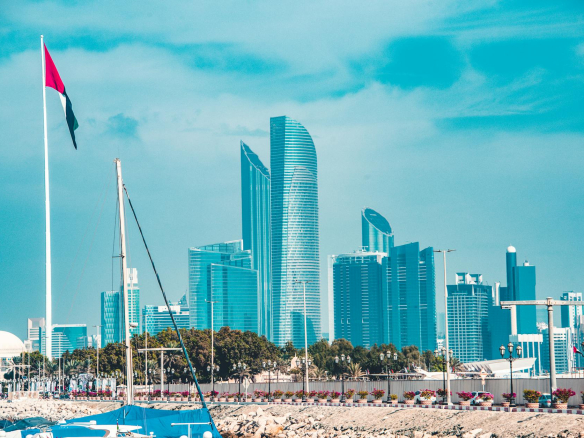
The UAE continues to attract a diversified pool of capital, from sovereign wealth funds to high‑net‑worth expatriates. Dubai remains a global hub for luxury residential, hospitality, and commercial office space, while Abu Dhabi offers attractive yields in logistics, tourism, and mixed‑use developments.
- Strategic Diversification – Investors seek markets that combine robust legal frameworks with tax‑advantaged structures. The UAE’s transparent registration system and zero‑tax capital gains for most foreign investors meet this demand.
- Capital Flows from Asia and Europe – Geopolitical uncertainty in Europe and a slowdown in Chinese outbound investment have redirected funds toward “safe‑haven” assets, positioning the UAE as a prime recipient.
- Supply‑Demand Mismatch – Dubai’s “Vision 2030” masterplan targets a 25 % increase in residential units, yet absorption outpaces supply, especially in the mid‑tier segment, driving 7‑9 % YoY price appreciation in prime locations.
- Regulatory Evolution – New reforms such as the Real‑Estate Regulatory Authority (RERA) compliance scorecard provide clearer dispute‑resolution pathways, reducing the risk of protracted litigation.
Investor Implications: Translating Legal Outcomes into Portfolio Strategy
1. Re‑Evaluating Risk‑Adjusted Returns
The Lockheed decision suggests a judicial environment less tolerant of expansive class‑action filings. For real‑estate investors, this may compress the “legal risk premium” embedded in cap rates by 0.25‑0.50 %. Applied to a $2 billion office portfolio in Dubai’s International Financial Centre (IFC), this could add $5‑$10 million to enterprise value.
2. Re‑Assessing Insurance Coverage
Insurers are likely to adjust pricing models. Conduct a comprehensive review of property and liability policies, including “epidemiological” clauses that address mass‑tort scenarios, even when primary exposure is construction defect. Engage carriers now to lock in favorable terms before market‑wide recalibration.
3. Financing Opportunities
UAE banks are offering “green” or “social” loan structures with ESG criteria. The reduced perceived litigation risk may ease the attachment of performance‑linked covenants, such as interest‑rate step‑downs tied to occupancy or sustainability benchmarks.
4. Asset Allocation – Tilt Toward High‑Growth Sub‑Markets
With legal risk moderated, investors can allocate more to high‑beta assets like mixed‑use towers in Dubai Creek Harbour (projected NOI growth >12 % YoY) while balancing with low‑beta Abu Dhabi free‑zone logistics parks that offer stable cash flows and yields around 7.5 %.
Risks to Monitor
- Regulatory Backlash – Public perception of “soft on corporate wrongdoing” could trigger stricter consumer‑protection statutes, raising developer compliance costs.
- Insurance Market Volatility – Global reinsurers may adjust pricing in response to unrelated mass‑tort trends, such as pharmaceutical litigation.
- Geopolitical Tensions – The UAE’s reliance on foreign capital makes it vulnerable to sanctions, trade restrictions, or other external shocks that could impede cross‑border financing.
- Construction‑Phase Disputes – While post‑completion liability may be tempered, claims over delays, design errors, and labor issues remain prevalent; rigorous contractor vetting is essential.
Opportunities Emerging from the Legal Landscape
- Acquisition of Distressed Assets – U.S. and European developers reassessing litigation exposure may divest non‑core assets at discount, presenting acquisition opportunities for UAE‑focused funds.
- Joint‑Venture Structures – Reduced class‑action risk encourages joint ventures where a local developer supplies land and regulatory expertise, while an international partner provides capital and brand equity. Clear MAC clauses should reflect the new legal realities.
- Technology‑Enabled Due Diligence – Deploy data‑analytics platforms that monitor court filings, insurance claims, and ESG metrics to accelerate risk assessments during acquisition.
Dubai & Abu Dhabi: A Closer Look at Market Mechanics
Dubai
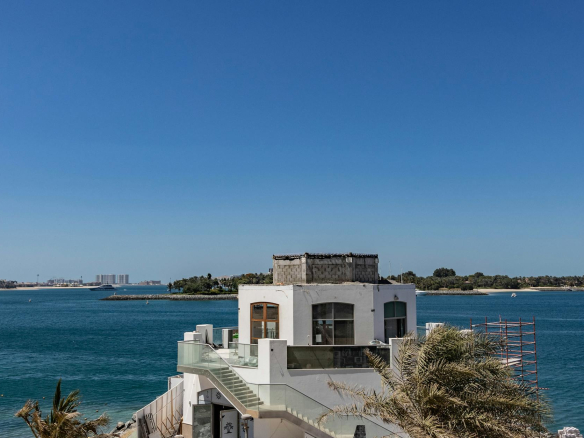
- Residential – Luxury villas in Palm Jumeirah have recorded a 10 % price uplift since Q1 2025, driven by ultra‑high‑net‑worth European buyers seeking tax‑efficient havens.
- Commercial – DIFC office vacancy fell 4 % in 2025, supporting rent growth of 5 % YoY. The upcoming “DIFC Innovation Hub” is projected to attract 20 % more tech firms, boosting flexible office demand.
- Hospitality – Downtown Dubai RevPAR rose 6 % YoY, underpinned by strong inbound Asian tourism. Asset‑light management contracts may now carry lower litigation exposure for franchise agreements.
Abu Dhabi
- Logistics – Al Dhafra Free Zone warehouse pre‑leases rose 15 % YoY, creating a structural shortage. Grade A yields sit at 7.2 % for stable cash flows.
- Tourism & Leisure – Saadiyat Island’s mixed‑use precinct attracts sovereign‑wealth fund interest, with pre‑sale prices 12 % above market averages.
- Residential – Mid‑tier apartments in Khalifa City have stabilized at a 3.5 % cap rate, reflecting balanced supply and modest appreciation.
Strategic Takeaways for Portfolio Construction
- Diversify Across Asset Classes – Blend high‑growth residential and hospitality assets in Dubai with stable logistics and office holdings in Abu Dhabi to smooth cash‑flow volatility.
- Incorporate Legal Risk Modeling – Use scenario‑analysis tools that factor potential changes to litigation risk premiums, insurance cost curves, and regulatory shifts.
- Leverage Local Expertise – Partner with UAE‑based legal counsel and regulatory advisors who understand how foreign court decisions intersect with local dispute‑resolution mechanisms.
- Prioritize ESG and Compliance – Align with UAE sustainability standards (e.g., Estidama Pearl Rating) to meet market demand and mitigate future environmental lawsuits.
Forward‑Looking Outlook
The Lockheed decision marks a pivotal moment in U.S. tort law, but its ripple effects are global. For UAE property investors, the immediate takeaway is a modest easing of litigation‑related risk premiums, creating a more favorable environment for capital deployment.
Supply constraints in Dubai’s premium residential segment and Abu Dhabi’s logistics corridor are expected to sustain upward pressure on yields and asset values over the next 3‑5 years. Nonetheless, vigilance is required to monitor regulatory changes, insurance market dynamics, and geopolitical currents that could re‑introduce volatility.
A disciplined, data‑driven approach—anchored in robust legal risk assessment and deep knowledge of the UAE’s market mechanics—will enable investors to capitalize on the current window of opportunity while safeguarding long‑term value.
FAQ
Q: How does the Lockheed ruling directly affect my UAE property investment?
A: The ruling signals a judicial trend toward limiting expansive class‑action lawsuits, which can lower insurance premiums and risk‑adjusted discount rates for real‑estate assets worldwide, including those in the UAE.
Q: Should I reconsider my insurance coverage on existing UAE assets?
A: Yes. Review policy terms for construction‑defect and liability clauses, and engage insurers now to lock in favorable rates before any market‑wide recalibration occurs.
Q: Which UAE sub‑markets offer the best risk‑adjusted returns post‑ruling?
A: Dubai’s luxury residential and mixed‑use developments in Creek Harbour, and Abu Dhabi’s Grade A logistics parks in Al Dhafra free zone, currently present compelling risk‑adjusted yields.
Q: Are there new regulatory risks emerging in the UAE as a response to US legal trends?
A: While no immediate legislation has been announced, UAE regulators continuously refine consumer‑protection laws. Monitoring RERA updates and aligning with ESG standards will mitigate potential exposure.
Q: How can David Moya Real Estate help me navigate these developments?
A: Our team provides end‑to‑end advisory services, from market entry strategy and due‑diligence to financing structuring and risk management, tailored for investors, entrepreneurs, family offices, and international buyers.
Take the Next Step
The confluence of a landmark US legal decision and the UAE’s strong growth trajectory creates a unique investment landscape. Whether you are expanding an existing portfolio or entering the Gulf market for the first time, expert guidance is essential to translate insight into performance.
Contact David Moya Real Estate today to discuss how you can position your capital for maximum upside while mitigating emerging risks. Call us at +971 4 555 1234 or email insights@davidmoya.com. Our dedicated team is ready to craft a strategic, long‑term acquisition plan that aligns with your objectives.
Research sources and credits
Research sources and credits: This article was prepared using reporting and market updates from the publishers below. Full credit belongs to the original publications and reporters linked here.
- Lockheed Birth Defect Judge Slams Door On Trial Aids Fight – Law360
Credit: Web | Published: Sat, 25 Apr 2026 03:24:00 GMT
Cushman & Wakefield Ignored 401(k) Climate Risks, Suit Says February 26, 2026 NC Lawyer Gets At Least 4 Years For Real Estate Fraud February 24, 2026 High Court Rejects NJ Towns’ Bid To Pause Housing Rule February 18, 2026 Equifax’s Bid To Arbitrate ‘Too Clever By Half,’ Judge Says February 10, 2026 Wash. Judge Won’t Block Racial Equity Housing Program February 02, 2026 Gibson Dunn, Sullivan & Cromwell Lead SpaceX, XAI Merger January 28, 2026 Mid-America Inks $53M Deal In RealPage Landlord MDL January 13, 2026 CoStar, Quinn Emanuel Spar Over Litigation Representation January 08, 2026 6th Circ. Says Immunity Dooms Mich. Farm’s Zoning Fight #### Already have access? Click here to login […] #### Already have access? Click here to login ## Get instant access to the one-stop news source for business lawyers Register Now! ## Sign up now for free access to this content ## Already have access? #### Sign up for our Real Estate Authority Commercial newsletter ### You must correct or enter the following before you can sign up: ### Thank You! […] Law360 Law360 Law360 UK Law360 Pulse Law360 Employment Authority Law360 Tax Authority Law360 Insurance Authority Law360 Bankruptcy Authority Law360 Healthcare Authority Sections Home Commercial Residential Site Menu About Real Estate Authority Contact Us Sign up for our newsletters About Law360 Authority CaseMap® CLE On-Demand Context CourtLink® Digital Library Intelligize Law360 Lex Machina Lexis Medical Navigator™ Lexis® Lexis+™ Lexis® Tax MLex® MLex® (New) Nexis® Nexis Diligence™ Nexis Newsdesk™ Practical Guidance Product Liability Navigator Securities Mosaic® State Net® Verdict & Settlement Analyzer Commercial ··· Residential ··· Tall Buildings Tracker ··· Real Estate Authority Map ··· More # Lockheed Birth Defect Judge Slams Door On Trial Aids Fight
Next steps
If you want help evaluating projects, comparing returns, or building a UAE property strategy, contact David Moya Real Estate at +971 52 217 2034 or info@davidmoya.org.